
A community for every condition.
Public groups where patients and the people caring for them compare notes, and say what they wish they had known. Member lists are only ever visible to people who are logged in.

10 Early Signs and Symptoms of Alzheimer's and Dementia
Alzheimers
Memory loss that disrupts daily life may be a symptom of Alzheimer's or other dementia. Alzheimer's is a brain disease that causes a slow decline in memory, thinking and reasoning skills. There are 10 warning signs and symptoms. If you notice any of them, don't ignore them. Schedule an appointment with your doctor. The Alzheimer's Association is here to help any time, any day of the year. Call our free 24/7 Helpline at 800.272.3900 to talk to a live person who can answer your questions. Not sure what to ask or where to start? That's okay, too. Just give us a call and we'll guide you from there. One of the most common signs of Alzheimer’s disease, especially in the early stage, is forgetting recently learned information. Others include forgetting important dates or events, asking the same questions over and over, and increasingly needing to rely on memory aids (e.g., reminder notes or electronic devices) or family members for things they used to handle on their own. What's a typical age-related change? Sometimes forgetting names or appointments, but remembering them later. Some people living with changes in their memory due to Alzheimer's or other dementia may experience changes in their ability to develop and follow a plan or work with numbers. They may have trouble following a familiar recipe or keeping track of monthly bills. They may have difficulty concentrating and take much longer to do things than they did before. What's a typical age-related change? Making occasional errors when managing finances or household bills. People living with memory changes from Alzheimer's or other dementia often find it hard to complete daily tasks. Sometimes they may have trouble driving to a familiar location, organizing a grocery list or remembering the rules of a favorite game. What's a typical age-related change? Occasionally needing help to use microwave settings or to record a TV show. People living with Alzheimer's or other dementia can lose track of dates, seasons and the passage of time. They may have trouble understanding something if it is not happening immediately. Sometimes they may forget where they are or how they got there. What's a typical age-related change? Getting confused about the day of the week but figuring it out later. Some people living with Alzheimer's or other dementia could experience vision changes. This may lead to difficulty with balance or trouble reading. They may also have problems judging distance and determining color or contrast, causing issues with driving. What's a typical age-related change? Vision changes related to cataracts. People living with Alzheimer's or other dementia may have trouble following or joining a conversation. They may stop in the middle of a conversation and have no idea how to continue or they may repeat themselves. They may struggle with vocabulary, have trouble naming a familiar object or use the wrong name (e.g., calling a "watch" a "hand-clock"). What's a typical age-related change? Sometimes having trouble finding the right word. A person living with Alzheimer's or other dementia may put things in unusual places. They may lose things and be unable to go back over their steps to find them again. He or she may accuse others of stealing, especially as the disease progresses. What's a typical age-related change? Misplacing things from time to time and retracing steps to find them. Individuals living with Alzheimer's or other dementia may experience changes in judgment or decision-making. For example, they may use poor judgment when dealing with money or pay less attention to grooming or keeping themselves clean. What's a typical age-related change? Making a bad decision or mistake once in a while, like neglecting to change the oil in the car. A person living with Alzheimer’s or other dementia may experience changes in the ability to hold or follow a conversation. As a result, they may withdraw from hobbies, social activities or other engagements. They may have trouble keeping up with a favorite team or activity. What's a typical age-related change? Sometimes feeling uninterested in family or social obligations. Individuals living with Alzheimer’s or other dementia may experience mood and personality changes. They can become confused, suspicious, depressed, fearful or anxious. They may be easily upset at home, with friends or when out of their comfort zone. Developing very specific ways of doing things and becoming irritable when a routine is disrupted. If you notice one or more signs in yourself or another person, it can be difficult to know what to do. It’s natural to feel uncertain or nervous about discussing these changes with others. Voicing worries about your own health might make them seem more “real.” Or, you may fear upsetting someone by sharing observations about changes in his or her abilities or behavior. However, these are significant health concerns that should be evaluated by a doctor, and it’s important to take action to figure out what’s going on. How is Alzheimer's Disease Diagnosed? Communicating with Your Health Care Team (PDF) 10 Warning Signs Worksheet (PDF) 10 Warning Signs of Alzheimer's (free online course) 10 Steps to Approach Memory Concerns in Others (PDF) 10 Steps to Approach Memory Concerns in Yourself (PDF) Why Get Checked? Signs of Alzheimer's and Dementia Typical Age-Related Changes Poor judgment and decision-making Making a bad decision once in a while Inability to manage a budget Missing a monthly payment Losing track of the date or the season Forgetting which day it is and remembering it later Difficulty having a conversation Sometimes forgetting which word to use Misplacing things and being unable to retrace steps to find them Losing things from time to time If you notice any of the 10 Warning Signs of Alzheimer's in yourself or someone you know, don't ignore them. Schedule an appointment with your doctor. With early detection, you can explore treatments that may provide some relief of symptoms and help you maintain a level of independence longer. Learn About Treatments Prepare for Your Doctor Visit Source: https://www.alz.org/alzheimers-dementia/10_signs

10 Steps to Approach Memory Concerns in Others
Alzheimers
If you notice changes in friends, family or others close to you and are concerned for their health — particularly when it involves changes in memory, thinking or behavior — it can be difficult to know what to do or say. Although it's natural to be uncertain or nervous about how to offer support, these changes could be a sign of a significant health concern. Use the guide below or print out the PDF to help you feel more confident and prepared as you assess the situation and take action. Don't hesitate to reach out for help — the Alzheimer's Association can connect you with resources and support, including our free 24/7 Helpline (800.272.3900). What’s the person doing — or not doing — that’s out of the ordinary and causing concern? Various conditions can cause changes in memory, thinking and behavior. What health or lifestyle issues could be a factor? E.g., family stress or health issues like diabetes or depression. Visit alz.org/10signs to educate yourself on 10 common warning signs of Alzheimer’s and why it’s important to know if dementia is causing the changes. Do you notice any of the signs in the person you’re concerned about? Find out if friends and family have seen changes. What are they? It could be you, a trusted family member or friend, or a combination. It’s usually best to speak one-on-one so that the person doesn’t feel threatened by a group, but use your best judgment to determine what will likely be most comfortable for the individual. Have the conversation as soon as possible. In addition to choosing a date and time, consider where the person will feel most comfortable. Try the following: I’ve noticed [change] in you, and I’m concerned. Have you noticed it? Are you worried? How have you been feeling lately? You haven’t seemed like yourself. I noticed you [specific example] and it worried me. Has anything else like that happened? Ask the person if he or she will see a doctor and show your support by offering to go to the appointment. Some words of encouragement may include: There are lots of things that could be causing this, and dementia may or may not be one of them. Let’s see if the doctor can help us figure out what’s going on. The sooner we know what’s causing these problems, the sooner we can address it. I think it would give us both peace of mind if we talked with a doctor. The first conversation may not be successful. Write down some notes about the experience to help plan for the next conversation. Location Date/time of day What worked well? What didn’t? What was the result? What can be done differently next time? Visit our education resources to take our free Dementia Conversations online program. Learn how to have honest and caring conversations about common concerns — including driving, doctor visits, and legal and financial planning — when someone begins to show signs of dementia. Call our free 24/7 Helpline (800.272.3900) to speak with a master’s-level clinician who can provide more information about how to discuss memory concerns with someone close to you. Visit the Alzheimer’s Association & AARP Community Resource Finder to find local resources, such as health care professionals, and your closest Association chapter. Explore Evaluating Memory and Thinking Problems: What to Expect to learn what a typical medical evaluation may include. Source: https://www.alz.org/alzheimers-dementia/10-steps

24 Hour Fitness
Wellness Centers
Celebrating over 35 years as an industry leader, 24 Hour Fitness is committed to creating a healthier, happier world through fitness with nearly 300 clubs in 11 states nationwide. We know your time in the gym is critical to maintaining your physical and mental well-being, so we provide welcoming and inclusive environments, with thousands of square feet of premium strength and cardio equipment, turf zones, free weights, functional training areas and more. Studio and cycle classes, personal training, and innovative digital and virtual offerings are all available options to help you keep your mind and body fit, so you can reset your next 24 hours and be prepared for what’s next. Stay connected to your favorite clubs, coaches and workouts with our 24GO® fitness app. The 24GO® app lets you check into the club touch-free, explore group fitness schedules and find fitness coaches near you. Level up your access to enjoy personalized plans, live-coached virtual classes, thousands of on-demand workouts and more. LEARN MORE About Us Careers Site Map Press Room Restructure Media Hotline: (866) 819-7414 Resources Contact Us Team Members Member Services FAQ Our Policy Terms of Use Membership Policies In-Club Privacy Policy SMS Text Policy Website Privacy Policy Do Not Sell or Share My Personal Information Source: https://www.24hourfitness.com/

3-D Medical Animation
Digital Health Innovators
Founded in 1991, Houston-based Blausen Medical Communications, Inc., is the developer, owner and licensor of the world's largest library of 3D medical animations. Known for their high standard of excellence in scientific and medical accuracy, Blausen creates masterpieces that explain difficult concepts with exceptional clarity. Blausen Medical's extensive library content is available for multiple platforms. The award-winning animation library is now viewed in every country in the world and has been translated into over 21 languages. The company and its products have received over 30 honors, including the 2013 Platinum Award for Best Interactive Site; and the Gold Award for Best Mobile Communications in eHealthcare Leadership. Blausen Medical has also been honored with numerous Web Health Awards, and with an ABBY Award from the Adaptive Business Leaders Organization for developing innovations that reduce the cost of quality healthcare. The Blausen Human Atlas is currently licensed and distributed via web, smart phone, and tablet app platforms. Most recently, the Company launched the Blausen.com search engine in conjunction with the Blausen It web browser extension. Bruce has over 20 years of experience in the field of new media and medical animation and has created work for a variety of clients including Merck, Pfizer, Dateline NBC, Prentice Hall Publishing, Discovery Health, GE Medical and Kodak. A pioneer in Internet marketing and communications, Bruce has spearheaded the development of numerous interactive web sites, videos and portals for a myriad of scientific and business clients. Bruce founded Blausen Medical Communications in 1991 and has created the country's largest library of 3D medical animation and graphic content. A medical illustrator and media visionary, Bruce holds a Masters degree from the Johns Hopkins University School of Medicine and two undergraduate degrees in Biology and Art from The Pennsylvania State University. Address: 10111 Richmond Avenue, Ste 525, Houston Texas 77042 Call: 800.999.6173 Fax: 713.334.6822 [email protected] Blausen Medical Communications's Social Media Source: https://blausen.com/

3M Health Care
Medical Device Companies
At 3M, we apply science in collaborative ways to improve lives daily. Learn more about our company, our people, and the impact we make. A global pandemic and social unrest underscored the reality of health inequities around the globe. Now, communities, companies and individuals ask: What can we do to help? 3M Health Care is partnering with community-based organizations and academic institutions to address health equity and help more people get the resources they need to thrive. Those partnerships are powered by one of 3M’s greatest assets – its people. When an opportunity to address oral health equity in Minnesota surfaced, 3M Health Care teams took action. According to the Minnesota State Oral Health Plan (PDF, 31.61 MB) , many Minnesotans suffer from dental diseases and oral conditions due to limited access to oral health services and dental insurance. A public policy to increase access to these critical services was needed. "Thousands of diverse children and families, people with disabilities and frail elders are suffering in silence with untreated infections in their mouths.” Dr. Michael Helgeson, CEO of Apple Tree Dental In the winter of 2020, John Pournoor, director of 3M Government Affairs, along with 3M Oral Care and 3M Health Care team members, partnered with a Minnesota coalition of 12 dental organizations and dental safety net clinics. They collectively called themselves “Get to Yes” – named after a concept coined by the Harvard Negotiation Project and a book of the same name. Their goal? Convince state legislators to say “yes” to better access to dental care for marginalized Minnesotans . (subscription required) Why oral health equity matters In 2000, the Office of the Surgeon General published an oral health report showing a clear association between oral and overall health. Tooth decay and other problems like periodontal disease can further complicate health conditions like diabetes (PDF, 203.90 KB) and heart disease (PDF, 209.56 KB) . Healthy People 2030 – a ten-year plan to address U.S. health priorities – counts combatting tooth decay and oral health conditions, as well as enhancing access to oral health care services, as top priorities. Tooth decay is also the most common childhood disease worldwide. Download the eBook to learn more. John Pournoor, Director, Global Government Affairs Convincing key decision makers to say “yes” to new ideas can be tricky, even when the research is compelling and concrete. Knowing how to craft and share your story is central to advocacy. John guided the Get to Yes team through the classic playbook for public policy and advocacy – helping them translate their knowledge to statements of public value and pinpoint influential leaders whose communities would be positively impacted by the proposal and could champion the Get to Yes team’s goals. Together, the team prepared a whitepaper and a series of highly customized legislative communications and asks using the playbook. Through that impactful partnership with the 3M team, Get to Yes secured a $61 million increase in funding from the state legislature for Minnesotans on Medicaid. Per Medicaid policy, the federal government matches state costs with federal dollars, which will further increase funding. This work will help hundreds of thousands of historically marginalized Minnesotans gain access to critically needed dental care. Sheila Riggs, Chair of the Department of Primary Dental Care at the University of Minnesota School of Dentistry John points out that advocacy is not unique to 3M or the healthcare sector; it’s an essential part of communicating with policymakers – and it happens around the globe. No matter where you are in the world, statements of public value of health show how we can improve lives and elevate the message. Communities and countries will collectively decide what matters most – and implement policies to support those public policies. If you explain why your idea will improve public health and life, you’ll have a greater chance of showing alignment with those public policies and achieving success. “Let’s say you're working in a developing country – healthcare policy may mean making sure everybo 3Mers have long known that, with creativity, collaboration and a shared sense of purpose, no problem is unsolvable. A solutions-based mindset lies at the heart of 3M’s culture and inspired 3M Impact : the global skills-based service program that empowers 3Mers to do what they do best – make an impact. 3M Impact Health Care, an arm of 3M Impact that focuses on addressing healthcare disparities, was born in 2021, and Get to Yes was a result of this pilot program. The U.S. launch of Get to Yes was met with internal and external acclaim and the 3M Impact Health Care program will expand globally in 2022. Collaboration, community and purpose-driven work are worth celebrating – but the outcomes often speak for themselves. “We now believe we will change the trajectory of access and disease for a generation of Minnesotans,” says Dr. Sheila Riggs. Here, our history inspires your future. More than a century ago, 3M started as a small-scale mining venture in Northern Minnesota, then named Minnesota Mining and Manufacturing Company. Now a global powerhouse, our products improve the daily lives of people around the world. But our success and longevity were not apparent from the start. We tried. We failed. We tried something new. Repeat cycle. Innovation and perseverance drove our founders, and it continues to drive 3Mers today. When 3M began in 1902, our five founders had a simple goal: to mine for corundum, a mineral ideal for making sandpaper and grinding wheels. Turns out, what they thought was corundum was really another low-grade mineral called anorthosite. Discovering the poor-quality mineral could have caused an early end to our fledgling company, but our founders persisted. Why? Because something more important was born that first year: the spirit of innovation and collaboration that forms the foundation of 3M today. So instead of calling it quits, we turned to different materials, applied them to other products, gained the trust of important investors and built up sales little by little. Scientific, technical and marketing innovations produced success upon success over the years, eventually making 3M a constant name on the Fortune 500 list . Today, more than 60,000 3M products are used in homes, businesses, schools, hospitals and other industries. One third of our sales come from products invented within the past five years, thanks to innovations from the thousands of researchers and scientists we employ around the world. With corporate operations in 70 countries and sales in 200, we are committed to creating the technology and products that advance every company, enhance every home and improve every life. Source: https://www.3m.com/3M/en_US/health-care-us/

Abbott Laboratories
Medical Device Companies
We create breakthrough products – in diagnostics, medical devices, nutrition and branded generic pharmaceuticals – that help you, your family and your community lead healthier lives, full of unlimited possibilities. Today, 113,000 of us are working to make a lasting impact on health in the more than 160 countries we serve. DISCOVERING NEW WAYS TO MAKE LIFE BETTER FOR MORE THAN 130 YEARS MAKING A DIFFERENCE IN OVER 160 COUNTRIES 135K EMPLOYEES WORKING AROUND THE WORLD TO MAKE A LASTING IMPACT ON HEALTH A complete line of infant formulas to give babies the strongest possible start. Complete, balanced nutrition and delicious flavors for kids on the go. Specially formulated to help prevent dehydration by restoring minerals and nutrients lost during diarrhea and vomiting. Nutritionally complete, amino acid-based medical food and infant formula with iron. Nutrition for busy people who refuse to sacrifice great taste. Convenient nutrition products designed to support your active lifestyle. Handheld reader works with a small sensor that continuously monitors glucose; eliminates routine fingersticks. Designed to make monitoring glucose levels and managing diabetes easier and more convenient. Specialized nutrition to help maintain healthy blood glucose levels and manage diabetes. Absolute Pro™ Vascular Self-Expanding Stent System Acculink™ Carotid Stent System ACCUNET™ Embolic Protection System Advisor™ HD Grid Mapping Catheter Sensor Enabled™ Agilis HisPro™ steerable catheter Agilis™ NxT Steerable Introducers Amplatzer™ Duct Occluders Amplatzer™ PFO Occluder Amplatzer Piccolo™ Occluder Amplatzer™ Septal Occluder Amplatzer™ VSD Occluders AptiVue™ Software Armada™ 14 PTA Catheter Armada™ 18 PTA Catheter Armada™ 35 Catheter Assurity MRI™ Pacemaker CardioMEMS™ HF System CentriMag™ Acute Circulatory Support System Confirm Rx™ Insertable Cardiac Monitor Dragonfly OpStar™ Imaging Catheter Dragonfly OPTIS™ Imaging Catheter Emboshield NAV6™ Embolic Protection System Engage™ Introducer Engage™ TR Introducer Endurity™ Pacemaker EnSite Precision™ Cardiac Mapping System Epic™ Aortic and Mitral Stented Tissue Valves Fast-Cath™ Introducer FemoStop™ Gold Femoral Compression System FlexAbility™ Irrigated Ablation Catheter FlexAbility™ Irrigated Ablation Catheter, Sensor Enabled™ FOX PLUS™ PTA Catheter FOX SV™ PTA Catheter FOXCROSS™ .035 PTA Catheter Gallant™ ICD Gallant™ HF CRT-D GuideRight™ HeartMate II™ Left Ventricular Assist Device (LVAD) HeartMate 3™ Left Ventricular Assist Device (LVAD) Herculink Elite® Renal Stent System) Hi-Torque Command™ Peripheral Workhorse Guide Wires Hi-Torque Command™ 18 Peripheral Workhorse Guide Wires Hi-Torque Connect™ and Hi-Torque Connect™ Flex Guide Wires Hi-Torque Flex-T™ Peripheral Supportive Guide Wires Hi-Torque Spartacore™ Peripheral Guide Wires Hi-Torque Steelcore™ Peripheral Supportive Guide Wires Hi-Torque Supra Core™ Peripheral Extra Supportive Guide Wires Hi-Torque Versacore™ Family of Peripheral Workhorse Guide Wires Hi-Torque Winn™ Family of Specialty Guide Wires HydroSteer™ JoStent™Graftmaster Coronary Stent Graft System Merlin.net™ Patient Care Network (PCN) Merlin@home™ Transmitter MitraClip™ MitraClip™ Transcatheter Mitral Valve Repair System MULTI-LINK Family of Bare Metal Stents NC TREK™ Coronary Dilatation Catheter Omnilink Elite™ Vascular Balloon-Expandable Stent System OPTIS™ Integrated System Perclose ProGlide™ Suture-Mediated Closure System PressureWire Receiver PressureWire™ X Guidewire ProStar™ XL Surgical System Quadra Allure MP™ CRT-P QUANTIEN Integrated Measurement System Quartet™ Quadripolar LV Lead Regent™ Mechanical Heart Valve StarClose SE™ Vascular Closure System Supera™ Peripheral Stent System TactiCath™ Quartz Contact Force Ablation Catheter TAD™ Tapered Guide Wire System TigerWire™ Steerable Guide Wires TREK™ & MINI-TREK™ Coronary Dilatation Catheter Trifecta™ Valve with Glide™ Technology Ultimum™ Introducer Sheath Viatrac™ 14 Plus XACT™ Carotid Stent System XIENCE Family of Drug-Eluting Stents Source: https://www.abbott.com/
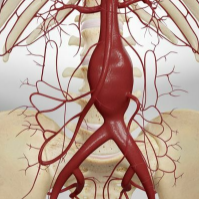
Abdominal Aortic Aneurysms
Vascular Conditions
Abdominal Aortic Aneurysms (AAA) are caused by progressive weakening of the aortic wall creating a “ballooning” of the vessel. While most aneurysms are asymptomatic and do not cause problems, some may expand in size and eventually rupture if not diagnosed and treated. Aneurysms occur most often in the aorta, the main artery of the chest and abdomen. The aorta carries blood from the heart to all parts of the body including the vital organs and the legs and feet. In most cases, there are no major symptoms for AAA. Occasionally, patients may feel abdominal, back or side pain. 75% of the aneurysms that are discovered are detected from diagnostic tests (such as x-rays) that were given for other health problems. Individuals may also feel a coldness, numbness or tingling in their feet and hands. A ruptured aneurysm is an emergency and procedures must take place immediately to save one’s life and avoid serious complications. Although AAA can be detected by physical examination, most are diagnosed today using an ultrasound scan or CAT scan. These are simple, non-invasive exams conducted on an outpatient basis. These exams also measure the size of AAA, a key element in determining the best treatment. When aortic aneurysms are diagnosed early, treatment is safe and effective and the aneurysm is curable. Aneurysms are often detected while performing tests for entirely different reasons. Most patients have no symptoms, so if you are at risk, it is important to discuss AAA with your doctor. Age over 60 years Tobacco use Family history of AAA History of heart disease or peripheral artery disease High blood pressure (hypertension) Proteins in the wall of the aorta, called elastin and collagen, provide strength and flexibility to this large artery. This is similar to muscles and tendons providing strength to the arms and legs. Aneurysms are caused by a progressive breakdown of these proteins that lead to a weakness of the wall of the aorta that can steadily expand like a balloon. These proteins, collagen and elastin, may gradually deteriorate with age. Inflammation that is associated with atherosclerosis (hardening of the arteries) helps to accelerate this degenerative process even in younger people. Some of the body’s naturally occurring enzymes may also cause the breakdown of collagen and elastin in the wall of the aorta. An excess of these enzymes or conditions that activate the enzymes may cause the formation of an aneurysm, or lead to its sudden growth. In rare cases an aneurysm may be caused by infection. There is still much to be learned about the cause of aneurysms and their growth. If the AAA is larger than 5-6 centimeters in diameter (about the size of a lemon), it will require treatment. Your physician’s decision to repair will be based on the risk of the aneurysm rupturing, along with surgical or procedure risks, and risks associated with other pre-existing conditions. Smaller aneurysms that cause back or abdominal pain may also need treatment, especially for those that are enlarging rapidly. Surgical treatment of AAA has been performed routinely in the U.S. for about 50 years. It is a very successful and durable procedure. During the surgery, the surgeon makes an abdominal incision, then replaces the diseased part of the aorta with a Dacron or Teflon graft that is carefully matched to the normal aorta. This graft is sewn in place by the surgeon. Most patients stay in the hospital for five to ten days if no complications occur. Complete recovery from the operation may take one to two months before returning to a full and normal life. After 50 years of experience with these procedures, the facts show that more than 90% of patients make a full recovery from surgery. Once patients have recovered, their aneurysms are permanently cured! Recent advances in catheter-based technologies have led to exciting new treatments for aortic aneurysms. Now, endovascular grafting technology allows the repair of the AAA by inserting a graft through a small incision in the groin. The endovascular method allows the graft to be delivered through a catheter or tube inserted in a groin artery. X-ray guidance is then used to accurately position the graft in the AAA. The graft is then expanded inside the aorta and held in place with metallic hooks rather than sutures. The hospital stay is usually only one or two days, and most patients can return to work or normal daily activities in about a week. Patients with other medical problems or those that could not withstand major surgery can be considered for repair by an endovascular graft. Endovascular grafting may not be possible in every case. Endovascular grafts are specially manufactured and don’t “fit” everyone’s anatomical situation. Standard surgery may still be the best option for many. As a fairly new procedure, endografts do not yet have a 50-year track record to compare to that of surgery for AAA. Speak with your physician about the best option for you. The combination of early diagnosis with safer, simpler, and ever more successful treatments can prevent deaths due to ruptured abdominal aortic aneurysms. • The risk of AAA increases with age • Tobacco users are eight times more likely to be affected than non-users • AAAs are between five to ten times more common in men than in women • There are approximately 15,000 deaths per year related to the rupture of an aneurysm • Ruptured aneurysms are the 10th leading cause of death in men over 50 in the country. Source: https://vascularcures.org/abdominal-aortic-aneurysm/ Credit: Vascular Cures

Abdominal Aortic Aneurysms VHC
SVS Vascular Conditions
The aorta is the largest artery in your body. It starts at your heart and runs through your chest and abdomen. The abdominal area of the aorta is responsible for delivering blood to your legs, gastrointestinal tract, and kidneys. An abdominal aortic aneurysm (AAA) happens when the wall of the aorta weakens over time and begins to bulge like a balloon. If left untreated, an AAA may get bigger and eventually rupture, causing severe internal bleeding and possibly death. In addition to the risk of rupturing, clots or debris can form within an AAA. These pieces can be carried to other areas in the body and block circulation, which can cause severe pain or even limb loss if blood flow is cut off for too long. Every year, 200,000 people in the U.S. are diagnosed with an abdominal aortic aneurysm (AAA). A ruptured AAA is the 15th leading cause of death in the country, and the 10th leading cause of death in men older than 55. Aneurysms often run in families. If a first-degree relative, like a parent or sibling, has had an AAA, you are 12 times more likely to develop an AAA. About 15-25% of people who need treatment to repair an AAA have an immediate family member with the same type of aneurysm. Learn More No Symptoms : Most people with an AAA have no symptoms and it is often found when tests are performed for unrelated reasons. Sudden, Severe Abdominal or Back Pain : If you have a family history of AAA and feel sudden, severe pain in your abdomen or back, seek immediate care. This may signal that you have an AAA and it is possibly rupturing. Pain, Discolored Skin, Sores on Feet and Toes : A small percentage of patients have these symptoms when plaque or blood clots from elsewhere in the body collect in the feet and toes. Older Age Males are more at risk than females Family History of AAA Smoking High blood pressure (Hypertension) Atherosclerosis (hardening of the arteries) Chronic lung disease If you have risk factors for an AAA or have been diagnosed with one, you should talk to your doctor about a referral to see a Vascular Surgeon. If an AAA is suspected, your doctor may refer you for: An abdominal ultrasound , which is a painless, safe test that screens for and measures the size of the AAA. A computed tomographic angiogram (CTA) might also be recommended, which assesses the aneurysm size, location and the extent of impact. It would expose you to radiation and injection of an intravenous contrast agent. However, it provides valuable information that can help your vascular surgeon determine the best type of repair. If you’re diagnosed with an AAA, you should be referred to a vascular surgeon. They can determine when treatment is needed and recommend the best procedure for patients with AAA, based on the size of the aneurysm and other factors. Because vascular surgeons have specific training in both minimally invasive and traditional open repairs, they can help ensure that the repair is tailored to your unique anatomy and expectations. Treatment for AAA depends on the size of the aneurysm. Small AAAs have a very low risk of rupturing and should be watched. It’s important to have an ultrasound test every 6-12 months to check for growth and risk of rupture. Treatment can include: Lifestyle changes that help control blood pressure and medication Quitting smoking Daily exercise Larger, rapidly growing AAAs and ones causing symptoms are usually repaired. Types of repair include: Endovascular aneurysm repair (EVAR) Endovascular aneurysm repair (EVAR) is a less invasive treatment and is most frequently performed. Your vascular surgeon would make two small punctures in your groin. Guided by X-ray imaging, a tiny device is introduced into the artery. This device is used to reinforce the artery wall and exclude the aneurysm. Most patients stay in the hospital one to two days. Recovery time is shorter than with open surgery. Open surgery is performed to place a prosthetic graft. Your vascular surgeon would access the affected portion of the aortic artery through an incision in your abdomen. Most patients stay in the hospital four to 10 days. Recovery time may take up to three months. Source: https://vascular.org/your-vascular-health/vascular-conditions/common-conditions/abdominal-aortic-aneurysm

Abdominal Pain
Pain Conditions
Gastritis, an inflammation of the stomach lining, is one of the most frequent causes of stomach pain. It is often accompanied by burping or flatulence, general malaise, a burning sensation in the stomach, or lower abdominal pain. Stomach pain caused by gastritis is often due to the presence of Helicobacter pylori bacteria (or H. pylori). This bacteria can slow down normal digestion, which can lead to food remaining in the stomach for longer periods of time. What to do: If you have any symptoms, you should consult a gastroenterologist or general physician for assessment. If the diagnosis is confirmed, medication to relieve symptoms and diminish stomach acid production (like omeprazole and esomeprazole, for example) may be indicated. Acid reflux, or heartburn, can cause stomach pain, as well as a burning or heavy sensation in the stomach, burping and dry coughing after meals. The symptoms of heartburn typically emerge a few minutes after finishing a meal and usually happen due to the back-up of stomach content toward the esophagus. This backward flow can also result in a bitter taste in the mouth. What to do: In these cases, it is very important to seek the opinion of a gastroenterologist, who will assess your symptoms and indicate the most appropriate treatment. Usually, heartburn is treated with medication that inhibits stomach acid production, like omeprazole and ranitidine. Certain changes to your diet can also help with preventing heartburn. You should avoid fatty foods, alcohol, and processed foods. You should also avoid eating at least 3 hours before sleeping, as lying down can regurgitate stomach content toward the esophagus. Stomach ulcers can form due to the presence of H. pylori, and can also form due to poor diet (e.g. frequent intake of fatty foods, processed foods and acidic foods). Common symptoms of stomach ulcers include stomach pain, nausea, vomiting and abdominal discomfort. What to do: The recommended treatment for stomach ulcers is antacid medication as directed by the doctor. This will protect the stomach's mucus lining from further damage. Analgesics may also be indicated to help relieve pain. Different from gastritis, which is an inflammation of the stomach, gastroenteritis presents as an inflammation of the stomach and intestines. It can be caused by foreign microorganisms and usually results in stomach pain, general malaise, diarrhea, and headaches. What to do: It is important to maintain adequate fluid intake by drinking plenty of water or tea. This will help to prevent dehydration, which is a common side effect of gastroenteritis. If symptoms like fever, chills, or frequent vomiting emerge, you should seek prompt medical attention for treatment to prevent any further complications. Frequent or long-term use of anti-inflammatory medication like ibuprofen can also cause stomach pain. Pain emerges because this type of medication can deteriorate the protective lining of the stomach, leaving the stomach walls prone to injury from stomach acid. What to do: Anti-inflammatory medication can be taken in conjunction with stomach acid inhibitors, like omeprazole, or with antacids, like aluminum hydroxide. Inhibitors and antacids should be taken while fasting to increase their efficacy. It is also important to remember to take anti-inflammatories with food, particularly after meals. It is normal to have stomach pain after an endoscopy. During this procedure, a long hose with an ultrasound tip is inserted into the mouth and travels down the throat to the stomach. This can cause some discomfort along the digestive tract for several hours after the procedure. However, if the pain lasts for longer than 48 hours, you should seek medical treatment from your gastroenterologist. What to do: To relieve symptoms, antacid medication or stomach lining protectors can be taken. If vomiting and blood is present, then medical attention should be sought quickly. Stomach cancer usually results as a complication of a stomach ulcer. Typical symptoms include persistent stomach pain, weight loss with no apparent cause, vomiting or stools with blood, and loss of appetite. What to do: It is important to see a gastroenterologist as soon as possible if you have any of these symptoms. A diagnosis of stomach cancer is necessary to determine the severity of the cancer and to plan the best treatment. Treatment for some cases of stomach cancer involves surgically removing a part of the stomach, chemotherapy and/or radiation therapy. Additional ways to relieve stomach pain include: Wearing loose clothing and resting in calm, quiet environments Drinking Maytenus ilicifolia tea, an excellent herbal option that is typically used to treat stomach problems Eating a boiled pear or apple Eating a small sliver of raw potato, which is a known natural antacid with little-to-no contraindications Applying a warm compress directly over the stomach Drinking small sips of cold water, which will help with digestion and hydration A light diet rich in salads, fruits and fruit smoothies can help to treat stomach pain. Intake of fatty foods and alcohol should generally be avoided. Source: https://www.tuasaude.com/en/pain-in-stomach/ This procedure temporarily disrupts the nerves of the celiac plexus. These nerves branch away from your spine. They connect to the organs in your abdomen. Pain signals caused by conditions such as pancreatitis or pancreatic cancer travel through these nerves on the way to your brain. A celiac plexus block can relieve your pain. Source: https://www.johnmichelsmd.com/contents/conditions-we-treat/abdominal-pain
A Brief History of Cancer
Cancer Conditions
This history follows the research breakthroughs that built our understanding of cancer — and how steady progress in science has lowered cancer risk, found cancer sooner, improved treatment and helped people with cancer live longer. Cancer has affected animals for millions of years; scientists have found it in dinosaur bones 70 to 80 million years old. The earliest signs in humans are tumors in fossilized bones and mummies from ancient Egypt, around 3000 BCE. The oldest written description, in the Edwin Smith Papyrus from about 3000 BCE, describes a "bulging tumor of the breast." The Greek doctor Hippocrates (460–370 BCE) first used the word for cancer, calling tumors carcinos and carcinoma — Greek for crab — because they looked like a moving crab. The Roman doctor Celsus (25 BCE–50 CE) later translated this into the Latin word cancer. The Greek doctor Galen (130–200 CE) first used oncos, Greek for swelling, which gives us "oncology" and "oncologist." Ancient Egyptians blamed cancer on the gods. Hippocrates believed it came from an imbalance of body fluids. From the 1500s to the 1700s, scientists thought it might come from lymph fluid problems, long-term inflammation, injury, or an infection passed between people. Pathology and the microscope. The Italian doctor Giovanni Morgagni did the first autopsies in 1761, linking illness to cause of death; his reports began scientific oncology. The modern microscope of the 1800s showed that cancer is made of cells, that every cell comes from another cell, and that cancer cells look different from normal cells. Pathologists could then diagnose cancer in tissue removed at surgery and tell surgeons whether all of it was out. Epidemiology. In 1713, Bernardino Ramazzini noted that nuns rarely had cervical cancer but often had breast cancer, pointing toward the roles of hormones and sexually transmitted infections. In 1775, Percival Pott showed that soot caused scrotal cancer in chimney sweeps, opening the study of job-related exposures. The National Cancer Act of 1971 created a network of cancer registries and the SEER (Surveillance, Epidemiology, and End Results) Program to track cancer rates and survival. Carcinogens. Tobacco was linked to cancer in 1761. In 1911 a virus was found that caused cancer in chickens, which led to links between viruses and human cancers — hepatitis B with liver cancer, and Epstein-Barr virus with non-Hodgkin lymphoma. In the 1980s the bacterium H. pylori was shown to raise stomach cancer risk. In 1991, research showed that environmental exposures damage DNA and make cells more sensitive to carcinogens such as UV radiation and cigarette smoke. In 1999, HPV was found in 99.7% of cervical cancers, which led to the HPV vaccine in 2006. Genes. The discovery of DNA's structure in the mid-20th century showed how gene changes, inherited or caused by carcinogens, lead to cancer, and that cancer cells with damaged DNA do not die as normal cells do. In the 1970s scientists identified oncogenes and tumor suppressor genes; inherited BRCA1 and BRCA2 changes, for example, raise breast and ovarian cancer risk. The Human Genome Project, completed in 2000, helped find more cancer-related gene changes and develop better treatments. Screening tests find cancer in people without symptoms, often before it spreads, and some — for cervical and colorectal cancer — find growths before they become cancer. The Pap test, developed in the 1920s, was the first widely used screening test and cut cervical cancer rates by more than half. The discovery that HPV causes most cervical cancers led to guidelines for a primary HPV test, with or without a Pap test. The mammogram, developed in the 1960s, is still the most reliable breast cancer screening test. Colonoscopy and stool-based and blood-based tests now screen for colorectal cancer, and low-dose chest CT screens people at higher risk of lung cancer. Multi-cancer early detection (MCED) tests look for signs of many cancers in blood and other fluids; some are available, but they are expensive and not yet FDA-approved. Surgery and anesthesia. Early surgery often did more harm than good, and Galen believed cancer could not be cured. Effective anesthesia in 1846 let surgeons remove tumors and lymph nodes more completely and safely. The radical mastectomy came in the late 1800s; a century later, breast-conserving surgery proved to work as well. Today CT, MRI and PET scans locate tumors without surgery, and robotic systems operate through openings little bigger than a keyhole. Hormone therapy. In 1895, removing the ovaries was shown to slow breast cancer. In 1977 the FDA approved tamoxifen, which blocks hormone activity without surgery. For prostate cancer, surgical castration in the 1940s gave way to medicines that suppress or block male hormones. Radiation therapy. X-rays were discovered in 1895 and soon used to treat cancer. Brachytherapy (internal radiation) treated cervical and prostate cancers in the early 1900s while external beam radiation improved. Proton beams in the 1960s added precision, and conformal and intensity-modulated radiation in the 1990s spared more healthy tissue. Chemotherapy. Military research found that nitrogen mustard shrank lymphomas; it was approved in 1949. Aminopterin and methotrexate then treated childhood leukemia, and by the 1960s and 1970s chemotherapy was curing Hodgkin disease, childhood acute lymphoblastic leukemia (ALL) and testicular cancer. Stem cell and bone marrow transplants. First done in 1957, they return healthy blood stem cells after disease, chemotherapy or radiation destroys the marrow, and are now a key treatment for blood cancers. Targeted therapy, immunotherapy and precision medicine. Targeted therapies began in the 1980s; trastuzumab, approved in 1998, blocks the HER2 protein in some breast cancers. Two decades later, pembrolizumab became the first treatment approved for a tumor's genetic changes rather than where it started. Immunotherapy began with interferons for hairy cell leukemia in 1986, followed by BCG for some bladder cancers, interleukins for kidney cancer, monoclonal antibodies such as rituximab for lymphoma, cancer vaccines for prostate cancer, checkpoint inhibitors for melanoma, and cell therapies such as CAR T-cell therapy for some blood cancers and TIL therapy for some solid tumors. Precision medicine now ties these together by testing the genes and proteins in a tumor or blood to choose the treatments most likely to work. More than 18 million cancer survivors were living in the US in 2022, and the number is expected to pass 22 million by 2035. The National Coalition for Cancer Survivorship (now Cancer Nation) was founded in 1986. The National Cancer Institute created its Office of Cancer Survivorship in 1996. In 2006 the Institute of Medicine's report "From Cancer Patient to Cancer Survivor: Lost in Transition" called for transition plans and better coordination between cancer teams and primary care after treatment ends. Research continues to find new ways to prevent, find and treat cancer, to meet survivors' needs, and to improve outcomes and access to care for all groups. Current examples include how physical activity affects cancer risk, new ways to calculate breast cancer risk to personalize screening, how inadequate health insurance affects survival, and new gene tests that may personalize ovarian cancer care. Which cancer screening tests are recommended for someone of my age and risk? Is my cancer one that can be found early with screening, and how often should I be screened? Which of today's treatments — surgery, radiation, chemotherapy, hormone therapy, targeted therapy or immunotherapy — fit my cancer? Should my tumor be tested so that a precision medicine treatment can be chosen? Is there a clinical trial of a newer treatment that I could join? Source: https://www.cancer.org/cancer/understanding-cancer/history-of-cancer.html

Academy of Nutrition and Dietetics
Medical Associations
The Academy of Nutrition and Dietetics is the world's largest organization of nutrition and dietetics practitioners founded in Cleveland, Ohio, in 1917, by a visionary group of women dedicated to helping the government conserve food and improve the public's health and nutrition during World War I. Today, the Academy represents more than 112,000 credentialed practitioners' registered dietitian nutritionists, nutrition and dietetics technicians, registered, and other food and nutrition professionals holding undergraduate and advanced degrees in nutrition and dietetics, and students — and is committed to improving health and advancing the profession of nutrition and dietetics through research, education and advocacy. Members of the Academy play a key role in shaping the public's food choices, thereby improving its nutritional status, and in treating persons with illnesses or injuries. Members offer preventive and medical nutrition therapy services in a variety of settings. Nutrition and dietetics practitioners work in health care systems, home health care, foodservice, business, research and educational organizations, as well as in private practice. As vital members of medical teams in hospitals, long-term care facilities and health maintenance organizations, they provide medical nutrition therapy using specific nutrition services to treat chronic conditions, illnesses or injuries. Community-based nutrition and dietetics practitioners provide health promotion, disease prevention and wellness services. As a leader in food and nutrition issues, the Academy provides expert testimony at hearings, lobbies Congress and other governmental bodies, comments on proposed federal and state regulations, and develops position statements on critical food and nutrition issues. Academy Vision and Mission The Academy is committed to improving health and advancing the profession of nutrition and dietetics through research, education and advocacy, a message that is reflected in its mission and vision statements. The Academy is committed to improving health and advancing the profession of nutrition and dietetics through research, education and advocacy, a message that is reflected in its mission and vision statements. Mission and Vision Statements Academy History Annual Reports What We Do Who We Are If you are thinking about a career in nutrition and dietetics, joining the Academy of Nutrition and Dietetic gives you full access to our online database of internships and job postings. Dietetic Careers Career Changer DPD Graduates High School Students International Students Source: https://www.eatrightpro.org/

Acanthosis Nigricans
Dermatology
Acanthosis nigricans causes patches of skin to become darker, thicker and velvety to the touch. It appears most often in body folds — the neck, armpits and groin. It is usually a sign of something else going on in the body, most commonly insulin resistance or prediabetes, so finding it is often the first step toward diagnosing another condition. What is causing my acanthosis nigricans, and is anything making it worse? Which treatment do you recommend first, and how long before I should expect a change? What side effects should I watch for, and when should I contact you? Is this condition contagious, inherited, or linked to anything else in my health? What should I do differently if it flares or comes back? A board-certified dermatologist can confirm the diagnosis and tailor treatment to your skin. If your symptoms change quickly, spread, become painful, or come with a fever, seek care sooner. Source: https://www.aad.org/public/diseases/a-z/acanthosis-nigricans-overview

Accolade
Digital Health Innovators
This is the future of healthcare, and the future is now. What’s next in employee experience? Exceptional healthcare delivered by humans. Not bots. With Accolade, your people and their families are treated like individuals. We provide access to quality primary care, mental health support and expert medical opinions all backed by a team of clinical and benefits specialists. It’s an experience your people will love. Those who work at Accolade share a vision: every person living their healthiest life. In support of that vision, we want to transform how your employees use their benefits and healthcare resources. Whether you’re a small team or a large organization, we’re here to make personalized healthcare accessible and to drastically improve the experience your employees have with healthcare and benefits. With compassionate advisers, clinical expertise, and intelligent technology, Accolade brings employees and their families trusted, personalized support for their health and benefits questions, needs and experiences. We are equally a trusted partner for employers as they foster healthy populations and effective benefits programs. Accolade solutions are designed with next-generation technology that generates millions of data-driven insights from hundreds of sources to help each person live their healthiest life. With artificial intelligence at the core of our human support, we anticipate a person’s needs, engage them in trusted ways, and guide them to the specific benefits and ca re options that can help them most, when they need them most, in the context of their full life. We guide each individual to resources they didn’t even know they had, putting them on the best path toward physical, emotional, and financial health and well-being.The Accolade journey starts with one message, one call, one point of contact. It starts when people simply ask Accolade. Source: https://www.accolade.com/

Acne
Dermatology
Acne develops when pores become blocked with oil and dead skin cells, allowing bacteria to grow. It produces whiteheads, blackheads, pimples and sometimes deeper, painful cysts. It is the most common skin condition in the United States and affects adults as well as teenagers. Effective treatment exists for every severity, and starting early reduces the chance of permanent scarring. What is causing my acne, and is anything making it worse? Which treatment do you recommend first, and how long before I should expect a change? What side effects should I watch for, and when should I contact you? Is this condition contagious, inherited, or linked to anything else in my health? What should I do differently if it flares or comes back? A board-certified dermatologist can confirm the diagnosis and tailor treatment to your skin. If your symptoms change quickly, spread, become painful, or come with a fever, seek care sooner. Source: https://www.aad.org/public/diseases/acne
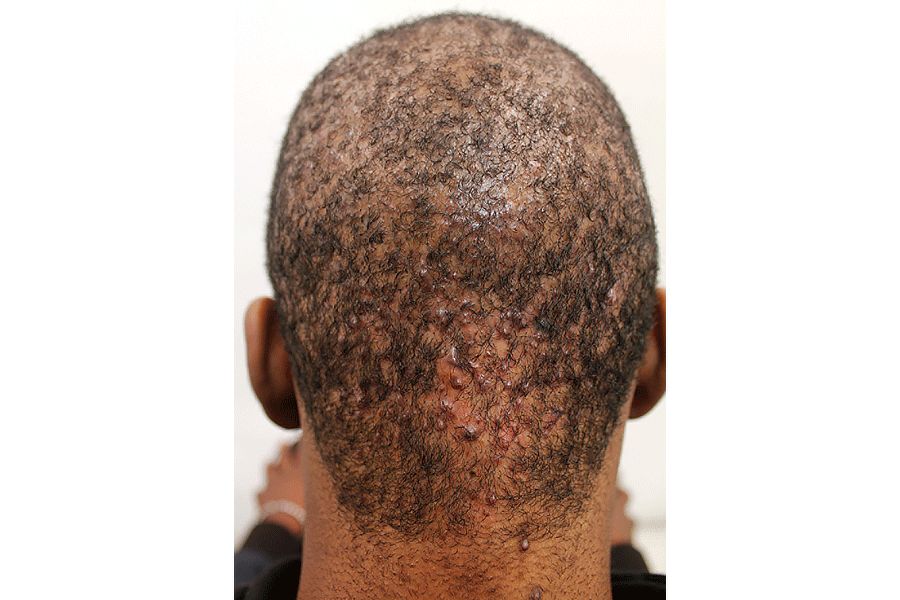
Acne Keloidalis Nuchae
Dermatology
Acne keloidalis nuchae causes firm, itchy bumps on the back of the neck and lower scalp that can look like razor bumps or acne. Over time the bumps may join together into raised scars and cause permanent hair loss in the area. It is more common in people with tightly coiled hair, and early treatment helps prevent scarring. What is causing my acne keloidalis nuchae, and is anything making it worse? Which treatment do you recommend first, and how long before I should expect a change? What side effects should I watch for, and when should I contact you? Is this condition contagious, inherited, or linked to anything else in my health? What should I do differently if it flares or comes back? A board-certified dermatologist can confirm the diagnosis and tailor treatment to your skin. If your symptoms change quickly, spread, become painful, or come with a fever, seek care sooner. Source: https://www.aad.org/public/diseases/a-z/acne-keloidalis-nuchae-overview
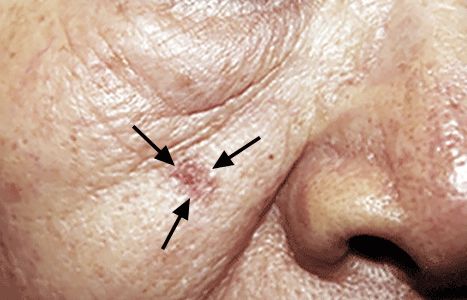
Actinic Keratosis
Dermatology
An actinic keratosis is a rough, scaly patch that forms on skin damaged by years of sun exposure. The patches are usually easier to feel than to see. They matter because a small number progress to squamous cell carcinoma, so dermatologists generally treat them rather than watch them. What is causing my actinic keratosis, and is anything making it worse? Which treatment do you recommend first, and how long before I should expect a change? What side effects should I watch for, and when should I contact you? Is this condition contagious, inherited, or linked to anything else in my health? What should I do differently if it flares or comes back? A board-certified dermatologist can confirm the diagnosis and tailor treatment to your skin. If your symptoms change quickly, spread, become painful, or come with a fever, seek care sooner. Source: https://www.aad.org/public/diseases/skin-cancer/actinic-keratosis-overview

Acute Chest Syndrome
Lung Diseases
Sickle cell disease (SCD) or anemia is an inherited blood disorder that affects the hemoglobin in the red blood cells. Acute chest syndrome (ACS) is a severe lung-related complication of sickle cell disease that affects both children and adults. It creates a pneumonia like illness and is one of the leading causes of morbidity, hospitalizations and death in children and adults living with sickle cell disease. ACS occurs when sickle red blood cells block blood vessels in the lungs. This is considered an emergency and may be life threatening. Hemoglobin is the protein in red blood cells that carries oxygen in your body. A person with sickle cell anemia makes a different type of hemoglobin called sickle hemoglobin. While normal red blood cells are shaped round, flexible and smooth, red blood cells that contain sickle hemoglobin develop an irregular shape like a crescent or banana. Acute chest syndrome happens when these sickle cells block the small blood vessels in the lungs. This blockage reduces blood flow and the amount of oxygen that travels out to nourish the body. The longer the small blood vessels are blocked, the more damage can be done to other organs of your body. Acute chest syndrome can be life-threatening and accounts for close to 25% of deaths in adults with sickle cell disease (SCD). The peak incidence of ACS in children is ages 2 to 4. Because it is potentially fatal, it requires immediate intervention regardless of age If you are living with asthma and SCD, you are five times more likely to have respiratory symptoms at the time of a Vaso-occlusive crisis (VOC). A VOC occurs when sickled cells block blood flow resulting in tissues being deprived of oxygen. With timely treatment, most people can recover. While the cause is unknown, long-term complications of repeated ACS include interstitial lung disease and pulmonary hypertension . There is no single cause of ACS, however certain conditions can trigger it. ACS can be brought on suddenly when the body is under stress from illness or dehydration. Other Medical Conditions : Pulmonary embolism (blood clots from other parts of the body travelling to the lungs), pulmonary fat embolism (bone marrow tissue travelling from the bones to the lungs), pulmonary artery thrombosis (blood clots forming in the lungs), infections like pneumonia, and asthma. Coronavirus disease 2019 (COVID-19) has been reported as a cause of ACS Vaso-occlusive crisis (VOC): Vaso-occlusive crisis (VOC) which is a common complication of SCD, presents with excruciating pain, usually of sudden onset, although it may be a gradual onset. The pain is often concentrated to the extremities like your arms and legs, chest or back. ACS may be a complication of VOC. Low oxygen levels: Low oxygen in the lungs and blood leads to the formation of sickle cells . This may be the result of infection in the lungs. Low Fetal Hemoglobin (HbF): Fetal hemoglobin or HbF is the main form of Hemoglobin in the fetus. HbF continues after birth and being in red blood cells protects against sickling. Low levels of HbF can increase the risk of ACS. Genotype: Sickle Hemoglobin is the product of the sickle gene S. Genes exist in pairs and individuals with SS have the most serious form of SCD. S may be present with another variation of the hemoglobin gene such as C which causes a less severe form of the disease. Age: ACS can occur at any age. In children with SCD peak onset of ACS occurs ages 2 to 4 years old. Infection: ACS in children is often triggered by infection Recent trauma or surgery : Due to pain and medications post-surgery, you may experience shallow breathing and low oxygen levels resulting in sickling in the lungs that cause ACS. Smoking or secondhand smoke exposure: Smoking or exposure to secondhand smoke is associated with a higher risk of ACS and more severe episodes in children. The signs and symptoms of acute chest syndrome can vary. Children are more likely to have an infection that will present respiratory symptoms and fever. Adults are more likely to have pain in the chest, arms, and legs, as well as shortness of breath and vaso-occlusive pain episodes. The most common symptoms are: Shortness of breath Wheezing Rapid shallow breathing (tachypnea) Cough , which may contain blood Fever Chest or back pain Vaso-occlusive pain It is important to get immediate medical treatment if you suspect ACS. If you go to an emergency room or hospital, you should notify them that you have sickle cell disease. During your exam, your physician will conduct a physical exam and ask about your personal history, including any potential risk factors. Diagnosis is based on test results from chest imaging, medical history and symptoms. Common tests that may be ordered are: Chest X-ray of your heart and lungs Pulse oximetry to measure oxygen saturation Blood tests including complete blood count, metabolic panel, cultures (to rule out infection), type and cross match (due to the potential need for transfusion) Bronchoscopy with BAL to evaluate other sources of infection if symptoms are not improving with supportive care and antibiotics A CTA or computed tomographic angiogram is a special type of X-ray that is the most common test used to diagnose pulmonary embolism because it uses contrast to analyze blood vessels. A Ventilation perfusion scan may be ordered instead if you are allergic to the dye used for a CTA. D-Dimer (blood test) to screen for possible pulmonary emboli Ultrasound of the legs to measure blood flow speed Electrocardiogram to record heart activity MRI is usually reserved for pregnant women and individuals that may not be able to tolerate the contrast used in other imaging tests Treatment must be aggressive since the disease can progress quickly and can be fatal. ACS treatment may include pain control, intravenous (IV) fluids if dehydration is suspected, antibiotics to treat infection, supplemental oxygen, and blood transfusions. If you are hospitalized for a vaso-occlusive pain episode, you may be provided with an incentive spirometer. An incentive spirometer is a device that will help you expand your lungs and breathe deeper and fuller. It helps to prevent areas of lung collapse, also known as atelectasis. Atelectasis may increase hypoxia or low oxygen in the blood. Bronchodilators may be used when there is underlying asthma or pulmonary disorders. If oxygen therapy is inadequate to treat low oxygen levels, additional treatments are needed to prevent respiratory failure. These treatments may include noninvasive ventilation like BiPAP. In more serious cases intubation and extra corporeal membrane oxygenation (ECMO) may be required. Treatment for ACS will usually require hospital admission to monitor oxygen levels and clinical status. Treatment with corticosteroids is sometimes used. A new gene therapy, called LentiGlobin, is being studied for long-term results that may provide a potential cure for sickle cell disease. You can learn more about this hopeful treatment in our Lungcast episode, “ The Troubling Cycle of Sickle Cell Disease ” with Dr. Ify Osunkwo. If you have asthma or another lung disease, it is important to follow your lung disease treatment and management plan and follow up with a pulmonary doctor. Lung diseases, like asthma, are related to higher rates of ACS and reduced lung function over time. For example, people living with sickle cell disease and asthma are two to four times more likely to get ACS than people with sickle cell disease alone. Your healthcare may prescribe Hydroxyurea, which is a medication that can increase HbF and is used to treat SCD. Hydroxyurea can help reduce the pain, the need for blood transfusions, and prevent episodes of ACS. The length of treatment may vary, and routine blood tests and close monitoring may be needed, as there are side effects to this medication. Chronic transfusions may be used during high-risk months for respiratory infections, like winter. Chronic transfusions are used to support the transition to hydroxyurea or if you are recovering from a life-threatening ACS. Stem cell transplants may be considered if hydroxyurea is not working to prevent recurring ACS episodes. You should also stay up to date with vaccinations that protect you against infectious respiratory diseases like COVID-19, flu and pneumonia. There is a risk of long-term complications with recurring ACS episodes. These complications include reduced lung function, interstitial lung disease and pulmonary hypertension. Some resources available to patients include: Sickle Cell Disease Association of America Centers for Disease Control Source: https://www.lung.org/lung-health-diseases/lung-disease-lookup/acute-chest-syndrome

Acute Hepatic Porphyria (AHP)
Liver Disease
Porphyria refers to a group of diseases that affect fewer than 200,000 people. Acute Hepatic Porphyria (AHP) refers to a family of rare genetic diseases characterized by potentially life-threatening attacks and, for some people, chronic (ongoing and sometimes lifelong) pain and other symptoms that interfere in their ability to live normal lives. The liver is a vital organ responsible for many functions in your body. It is located under your rib cage on your right side. Some of the jobs the liver does include: Giving you energy Producing bile for digestion Processing what you eat and drink into nutrients your body can use Filtering out harmful substances from your blood Acute Hepatic Porphyria (AHP, also known as Acute Porphyria) refers to a family of rare genetic diseases characterized by potentially life-threatening attacks and, for some people, chronic (ongoing and sometimes lifelong) pain and other symptoms that interfere in their ability to live normal lives. There are four types of AHP: Acute Intermittent Porphyria (AIP – makes up ~80% of all cases) Variegate Porphyria (VP) Hereditary Coproporphyria (HCP) ALAD Deficiency Porphyria (ADP) AHP is a hereditary disease, meaning that it can be passed from parents to children. This can occur if either one or both parents carry the defective gene, depending on the AHP type. Men and women inherit the disease equally as often; however, women tend to suffer symptoms more often than men. Porphyrins are compounds needed to produce heme. Heme is vital to the body and responsible for breaking down medications and other substances. AHP occurs when there is a problem with heme production in the liver. When heme is not produced properly, certain toxins called PBG (porphobilinogen) and ALA (aminolevulinic acid) accumulate in the liver and can further circulate throughout the body. ALA and PBG are associated with the painful attacks and other disease manifestations people with AHP experience. AHP can cause a wide range of symptoms that mimic those of other diseases, and some people with a defective gene associated with AHP may not have any symptoms whatsoever. People with AHP who experience symptoms can suffer from severe attacks that are often unpredictable and include very painful abdominal (belly) pain. Some people may also experience chronic symptoms such as pain in between attacks. Most people have at least one other symptom in addition to the belly pain. Some of these symptoms may include: Nausea and vomiting Diarrhea or constipation (watery stool or difficulty having bowel movements) Back or chest pain Muscle weakness Fatigue Rapid heartbeat Seizures Anxiety and/or depression Confusion Skin blistering (in VP and HCP only) The various symptoms of AHP can lead to physical and emotional suffering and exhaustion. This can affect every aspect of life, including overall physical comfort; the ability to work consistently; and maintaining a healthy level of social connectedness with others. Diagnosis of AHP can be difficult because it is a rare disease, and the symptoms are so wide-ranging that they match those of other, more well-known illnesses. Symptoms can appear to be gastrointestinal (digestive system) in nature; they can seem to be associated with heart problems; they may seem to be muscle-related; they may be mistaken for gynecological problems; or they can present as neurological, psychological or emotional in nature. Due to the extreme range of symptoms, people with AHP are often incorrectly diagnosed. Many people go see many doctors over the course of several years before they find out exactly what is wrong. These are just some of the diseases and conditions that someone with AHP could be incorrectly diagnosed with before finally receiving a correct identification of their disease: Fibromyalgia Endometriosis Irritable Bowel Syndrome Guillain-Barre Syndrome Hepatitis Psychosis Seizure disorders People who suffer with extreme belly pain and have at least one of the other symptoms stated earlier should consider making an appointment with a doctor to begin the evaluation process. In addition to routine tests that may be done to diagnose illness, AHP testing can involve a urine test that measures (1) the levels of porphyrin precursors, PBG and ALA; and (2) porphyrins, which can be significantly higher than normal in AHP. The accuracy of these tests is better if they are done when someone is having an attack or shortly after they have had an attack. Additionally, a genetic test can be done to help confirm an AHP diagnosis and help identify at-risk family members. The genetic test can be done using a saliva or blood sample. The benefits of having a genetic test include: Helping to confirm AHP as a diagnosis Pinpointing the specific type of AHP Determining the specific genetic mutation so that other family members can be tested There is no cure for AHP, but there are ways to manage its symptoms. The U.S. Food and Drug Administration has approved some medications that doctors may prescribe to either reduce or treat AHP attacks. Disease management may also include pain medications and glucose supplementation. Treatment can sometimes include hospital stays so that patients can be monitored and treated when they have attacks that produce serious medical issues such as dehydration, hallucinations, paralysis and breathing difficulties. It is important that people feel comfortable about asking their care team questions to better understand the nature of their illness. Some conversation starters that you can use with your doctor are: Can you explain AHP to me in simple terms to help me understand the disease better? How did I get AHP? Can I pass AHP on to my children? Is it possible to have more than one kind of AHP at the same time? How can we find out if my AHP is damaging my liver? Are there any special tests I should have to find out the condition of my liver? How does AHP affect me if I have other diseases or if I take other medications to manage other diseases? Can we try to figure out what triggers my AHP attacks? I can probably control some of my triggers, but what about the ones I cannot control such as getting my menstrual period? Is there any medication I can take that will help with pain or other symptoms? Are there any medications that could be harmful to me if I have AHP? Should I eat or avoid certain foods? What about taking vitamins? How do I know if I should call you or go to the hospital if I am having an attack? Will I be able to live a long life with AHP? As a patient living with a rare liver disease, you have several rights that can empower you throughout your health journey. Although every patient’s diagnosis and treatment plan are different, these rights can help you develop better working relationships with the members of your health care team and determine the best path forward for you. View ALF’s Patient Bill of Rights and information from ALF’s 2022 Rare Liver Disease Summit . Even though AHP falls under the rare disease category, there are resources available to provide additional information and support. American Liver Foundation: liverfoundation.org and HelpLine 1-800-GO-LIVER Alnylam Pharmaceuticals – Pinpoint AHP™: https://www.porphyria.com/ American Porphyria Foundation: https://www.porphyriafoundation.org/ National Institutes of Health: https://www.niddk.nih.gov/health-information/liver-disease/porphyria National Organization for Rare Disorders: https://rarediseases.org/rare-diseases/porphyria/ Clinical trials may be offered to people with AHP who wish to be part of research studies that test new treatments before being approved for use by the general public. People with AHP can talk to their doctors about clinical trials, but here are some resources to search for clinical trials on your own: https://liverfoundation.org/resource-center/clinical-trials/ https://www.rarediseasesnetwork.org/cms/porphyrias/Studies https://www.nih.gov/health-information/nih-clinical-research-trials-you Clinical trials are research studies that test how well new medical approaches work in people. Before an experimental treatment can be tested on human subjects in a clinical trial, it must have shown benefit in laboratory testing or animal research studies. The most promising treatments are then moved into clinical trials, with the goal of identifying new ways to safely and effectively prevent, screen for, diagnose, or treat a disease. Speak with your doctor about the ongoing progress and results of these trials to get the most up-to-date information on new treatments. Participating in a clinical trial is a great way to contribute to curing, preventing and treating liver disease and its complications. Start your search here to find clinical trials that need people like you. Source: https://liverfoundation.org/liver-diseases/rare-disease/acute-hepatic-porphyria-ahp/
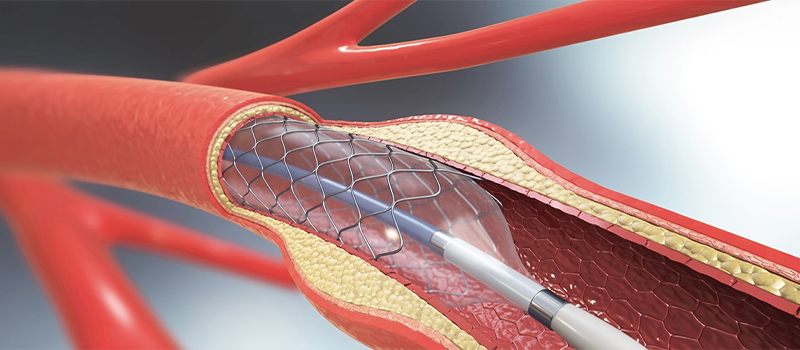
Acute Limb Ischemia
SVS Vascular Conditions
Acute limb ischemia (ALI) occurs when there is a sudden lack of blood flow to a limb, typically an arm or leg. This can be due to a blood clot or a build-up of fatty deposits inside the arteries, causing them to narrow —like what occurs in heart disease. Without prompt treatment, this condition can lead to tissue damage, organ dysfunction, and loss of the affected limb. ALI is a medical emergency and requires immediate care. ALI symptoms are often severe and sudden. They can be remembered with the "six Ps": Pain : sudden severe pain in the limb, even when at rest Pallor : the limb may appear pale Pulselessness : absent or diminished pulse in the limb Paresthesia : a tingling or prickling sensation, or numbness Paralysis : loss of movement in the limb, which is a late and grave sign Poikilothermia : the limb feels colder than the rest of the body ALI can be caused by the following: Embolism : A blood clot from elsewhere in the body blocks a limb artery. Thrombosis : A clot forms inside an artery that is already narrowed by plaque. Trauma : Injury to an artery. ALI risk factors include heart conditions, irregular heartbeat, atherosclerosis, previous clots, and smoking. If a patient experiences any of the previously described symptoms, they should seek medical attention immediately. ALI is an emergency condition. Patients should discuss any risk factors with their doctors and seek a referral to a vascular surgeon if concerned about ALI. Vascular surgeons are experts in diagnosing and treating vascular conditions such as ALI. Vascular surgeons are trained to perform emergency procedures that can restore blood flow and save the affected limb. Diagnosis usually involves urgent assessment by a vascular surgeon and may include: During physical examination, checking for the presence of pulses in the limb. Conducting Doppler ultrasound to assess blood flow and locate any blockages. Angiography, which involves injecting a contrast dye into the arteries to visualize blockages on X-ray images. Using CT scan to identify blockages of the blood vessels. Treatment aims to restore blood flow quickly. It may include: Medications to dissolve clots or prevent new ones Catheter-directed thrombolysis to deliver clot-dissolving drugs directly to the site of the clot Catheter-based thrombectomy, which uses a tube inserted into the artery to remove the blood clot Surgical procedures to remove the clot or bypass the blocked artery Angioplasty or stenting to open the narrowed arteries and maintain blood flow Time is critical in treating ALI to prevent permanent damage. If a patient suspects they are experiencing ALI, they should seek immediate emergency care. Source: https://vascular.org/patients-and-referring-physicians/conditions/acute-limb-ischemia
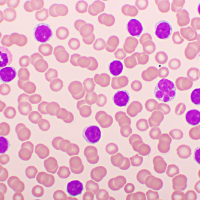
Acute Lymphocytic Leukemia (ALL) in Adults
Cancer Conditions
Get an overview of acute lymphocytic leukemia (also known as acute lymphoblastic leukemia) and the latest key statistics in the US. Acute lymphocytic leukemia (ALL) is a cancer that starts in your bone marrow (the soft inner part of certain bones, where new blood cells are made). You might also hear it called acute lymphoblastic leukemia . With this type of leukemia, the cancer cells usually invade your blood fairly quickly. They can also sometimes spread to other parts of your body, including your lymph nodes, liver, spleen, central nervous system (brain and spinal cord), testicles (in males), and other organs. What Is Cancer? Cancer starts when cells in the body begin to grow out of control. Cells in nearly any part of the body can become cancer cells. Learn more here. Leukemias are cancers that start in cells that would normally develop into different types of blood cells. Most often, leukemia starts in early forms of white blood cells, but some leukemias start in other blood cell types. There are several types of leukemia. They are divided based mainly on whether the leukemia is acute (fast growing) or chronic (slower growing), and whether it starts in myeloid cells or lymphoid cells. ALL is an acute (fast-growing) leukemia that starts in lymphoid cells. ALL is an acute leukemia; it can progress quickly and usually needs to be treated right away. It is more common in children and teens than in adults. It starts in early (immature) forms of lymphocytes , a type of white blood cell. There are 2 main types of ALL: B-cell ALL starts in early forms of B lymphocytes (B cells). T-cell ALL starts in early forms of T lymphocytes (T cells). ALL can start in early B cells or T cells at different stages of maturity. This is discussed in Acute Lymphocytic Leukemia (ALL) Subtypes and Prognostic Factors . ALL isn’t the only cancer that starts in the lymphocytes. Other types of cancer, such as lymphomas , also start in these cells. (This is true of non-Hodgkin lymphoma and Hodgkin lymphoma .) The main difference between lymphocytic (lymphoblastic) leukemias like ALL and lymphomas: Leukemias mainly affect the bone marrow and blood. Lymphomas mainly affect the lymph nodes or other organs, although they may also involve the bone marrow. But there is often some overlap. Sometimes it can be hard to tell if a cancer of lymphocytes is a leukemia or a lymphoma. In fact, the World Health Organization considers ALL and lymphoblastic lymphoma (LBL) to be different versions of the same disease (ALL/LBL). Usually, if at least 20% of the bone marrow is made up of early forms lymphocytes (called lymphoblasts or just blasts ), the disease is called ALL. If the disease is in other parts of the body with fewer blasts in the bone marrow, it is labeled as LBL. Anatomy Gallery —Blood Cells and Bone Marrow (includes more about lymphocytes) How Do Blood Cells Mature and What Happens When They Don’t Form Normally It's important to have open and honest discussions with your cancer care team about your acute lymphocytic leukemia (ALL) . Ask about anything you don’t understand or want to know more about. Below are questions to consider asking about your ALL. Can you explain what ALL is? How is it different from other types of leukemia? What subtype of ALL do I have? What does this mean? Are there other factors that might affect my prognosis ? Do I need any other tests before we can decide on treatment? Do I need to see any other types of doctors? How much experience do you and this medical center have in treating ALL? What are my treatment choices ? What do you recommend, and why? Should we consider a stem cell transplant ? When? Should I get a second opinion before starting treatment? Can you suggest a doctor or medical center? How soon do I need to start treatment? What should I do to be ready? How long will treatment last? What will it be like? Where will it be done? What are the risks and side effects of the treatments that you recommend? Could treatment affect my ability to have children ? If so, how? How will treatment affect my daily activities? What is my prognosis (outlook)? Once treatment begins, you’ll need to know what to expect and what to look for. Not all of these questions may apply to you, but getting answers to the ones that do can be helpful. How will we know if the treatment is working? What type of follow-up will I need after treatment? Is there anything I can do to manage side effects? What symptoms or side effects should I tell you about right away? How can I reach you on nights, holidays, or weekends? Do I need to change what I eat during treatment? Are there any limits on what I can do? Should I exercise? What should I do, and how often? What are my options if treatment isn’t working? Where can I find more information and support? Can you suggest a mental health professional I can see if I start to feel overwhelmed, depressed, or distressed? Be sure to write down any questions you have that aren’t on this list. For example, you might want to ask about recovery times so you can plan your work or activity schedule. Or you might want to ask if you qualify for any clinical trials . It can be hard to remember everything you’re told at each doctor’s visit, especially if you’re anxious or afraid. Even if the doctor carefully explains things, you might not hear or remember all that’s said or shown to you. Here are some ways to help you remember everything your doctor tells you. Take notes on what your doctor says. Ask if you can record your talks. Take a family member or friend with you. Ask them to take notes and remind you of questions you want to ask, so you can focus on listening and talking directly with the doctor. Doctors aren’t the only ones who can give you information. Other health care professionals, such as nurses and social workers, can answer a lot of your questions. To learn more about speaking with your health care team, see The Doctor-Patient Relationship . What Is Acute Lymphocytic Leukemia (ALL)? If you've been diagnosed with acute lymphocytic leukemia (ALL) or are worried about it, you likely have a lot of questions. Learning some basics is a good place to start. Key Statistics See the latest estimates for new cases of acute lymphocytic leukemia (ALL) and deaths in the US. What’s New in ALL Research? Research into causes, prevention, and treatment of acute lymphocytic leukemia is ongoing in many medical centers throughout the world. Find out what's new. About Acute Lymphocytic Leukemia (ALL) What’s New in Acute Lymphocytic Leukemia (ALL) Research? Key Statistics for Acute Lymphocytic Leukemia (ALL) What Is Acute Lymphocytic Leukemia (ALL)? Causes, Risk Factors, and Prevention Early Detection, Diagnosis, and Types Treating Acute Lymphocytic Leukemia (ALL) After Treatment Can Acute Lymphocytic Leukemia (ALL) Be Found Early? Signs and Symptoms of Acute Lymphocytic Leukemia (ALL) Tests for Acute Lymphocytic Leukemia (ALL) Acute Lymphocytic Leukemia (ALL) Subtypes and Prognostic Factors Chemotherapy for Acute Lymphocytic Leukemia (ALL) Targeted Therapy Drugs for Acute Lymphocytic Leukemia (ALL) Immunotherapy for Acute Lymphocytic Leukemia (ALL) Surgery for Acute Lymphocytic Leukemia (ALL) Radiation Therapy for Acute Lymphocytic Leukemia (ALL) Stem Cell Transplant for Acute Lymphocytic Leukemia (ALL) Health Professionals Who Are Part of a Cancer Care Team Source: https://www.cancer.org/cancer/types/acute-lymphocytic-leukemia.html