
Clinics and Practices
Featured Clinics and Practices
All Clinics and Practices

Adventist Health and Vascular Institute
Clinics and Practices
Just as your heart beats relentlessly for you, we work hard to keep your heart healthy. Our state-of-the art services are designed to provide you the best quality care. Our hospitals offer comprehensive heart care for all types of cardiovascular disease with innovative medical procedures that can diagnose and treat heart disease using minimally invasive methods. We offer comprehensive services in all aspects of heart care, including: Cardiac emergency services, including angioplasty, angiogram, etc. Cardiac catheterization lab, including stent, pacemaker and cardiac defibrillator implantation Cardiac surgery, including open heart surgery, beating heart surgery, endoscopic vein harvesting, valve replacement, etc. Electrophysiology, including atrial fibrillation and ablation treatment with 3D mapping Neurovascular procedures, including carotid stenting, aortic aneurysm or dissection repair, etc. At Adventist Health we believe in whole-person care. As a result, we advocate for a heart-healthy lifestyle that can help patients reduce their chance of developing heart disease. From education about smoking cessation classes to state-of-the-art catheterization labs and surgical suites, we offer heart care that will keep your heart as safe and healthy as possible. Our multidisciplinary team of physicians, surgeons, nurses, technicians, educators and therapists works closely together to ensure you have the best experience and most successful outcomes possible. Adventist Health is a faith-based, nonprofit integrated health system serving more than 80 communities on the West Coast and Hawaii as well as others across the U.S. through its Blue Zones company, a pioneer in taking a systemic and environmental approach to improving the health of entire cities and communities. Through this work, Adventist Health is leading a 21st century well-being transformation movement. Founded on Seventh-day Adventist heritage and values, Adventist Health provides care in hospitals, clinics, its innovative Adventist Health Hospital@Home program that provides virtual inpatient care at home, home care agencies, hospice agencies and joint-venture retirement centers in both rural and urban communities. Our compassionate and talented team of 37,000 includes associates, medical staff physicians, allied health professionals and volunteers driven in pursuit of one mission: living God's love by inspiring health, wholeness and hope. Together, we are transforming the American healthcare experience with an innovative, yet timeless, whole-person focus on physical, mental, spiritual and social healing to support community well-being. Living God’s love by inspiring health, wholeness and hope. Be love: Love matters. Treat yourself with love and care so that you are free to love and care for others. Be trustworthy, forgive freely and find common ground. Be a force for good: Be courageous. Take action. Whether it is through your position or your passion, work to impact your community for the better. Be a mission owner: Own your role, find your talent and know that your contribution is mission critical. Ask yourself, “How do I inspire health, wholeness and hope?” Be welcoming: Recognize all people are created equal and embrace them in hospitality as you would a cherished friend. Be curious: Seek to understand how things work and why. Innovate and be open to new ideas and approaches. Own your mistakes and learn from them. Be brilliant: Leverage your best talents and skills to shine. Make promises and keep them. Always expect the same from others. Compelled by our mission to live God’s love by inspiring health, wholeness and hope, we will transform the health experience of our communities by improving physical, mental and spiritual health; enhancing interactions; and making care more accessible and affordable. In 2019, Adventist Health touched millions of lives through hospital admissions, emergency, clinic, outpatient and home care visits. Admissions: 134,458 Emergency visits: 757,362 Outpatient visits: 1,533,485 Home health visits: 208,430 Clinic visits: 2,187,085 Adventist Health has long been a promoter of prevention and whole-person care. Inspired by our belief in the loving and healing power of Jesus Christ, we aim to bring physical, mental and spiritual health and healing to our neighbors of all faiths. Every individual, regardless of personal beliefs, is welcome in our facilities. We are also eager to partner with members of other faiths to enhance the health of the communities we serve. While Adventist Health's holdings are based on the West Coast and in Hawaii, Seventh-day Adventist healthcare spans the entire United States. Source: https://www.adventisthealth.org/locations/heart-and-vascular-institute/

Apex Cardiology
Clinics and Practices
The focus of every activity at Apex Cardiology is on quality care. Our patients will experience a level of personal attention that treats them as valued and invited guests, not only meeting but exceeding their expectations. With the addition of the GE LightSpeed 64-slice Cardiovascular CT, Apex Cardiology furthers its commitment to being at the forefront of diagnosis and treatment of cardiovascular diseases. This breakthrough cardiac test reveals the earliest signs of coronary artery disease without performing an invasive angiography procedure. The system features the industry’s fastest speed and highest resolution scanner. In just seconds, it can scan the entire heart in a single, brief breath-hold. With startling clarity, it reveals extraordinary details about the health of the heart and its blood vessels. For patients, this means earlier detection of coronary heart disease enabling treatment to begin at a stage where it can be most effective. The focus of every activity at Apex Cardiology is on quality care. Our patients will experience a level of personal attention that treats them as valued and invited guests, not only meeting but exceeding their expectations. At Apex Cardiology, we’re committed to enhancing the care of our patients by providing a comfortable, friendly outpatient setting. From the warm greeting extended by our front desk staff to the detail and attention given by our cardiologists and nurses, each patient is treated with the utmost of care. Our multi-board-certified cardiologists are on call 24 hours a day to provide emergency care. Plus, we have contracts with most local health plans . Please Note: Not all tests are covered by insurance plans. We will verify on your behalf with your insurance plan before scheduling the cardiac test. Apex Cardiology offers a full range of diagnostic testing and interventional procedures. In order to make each patient's visit as pleasant as possible and to provide referring physicians with exceptional service, we offer: Renowned expert physicians, multi-boarded in internal medicine, cardiovascular diseases, cardiac tests, nuclear cardiology , interventional cardiology, and cardiac electrophysiology Quick and friendly appointment scheduling within 24 hours Easy facility access Parking Source: https://www.farahiweissmd.com/contents/about-us
Arizona Endovascular Centre
Clinics and Practices
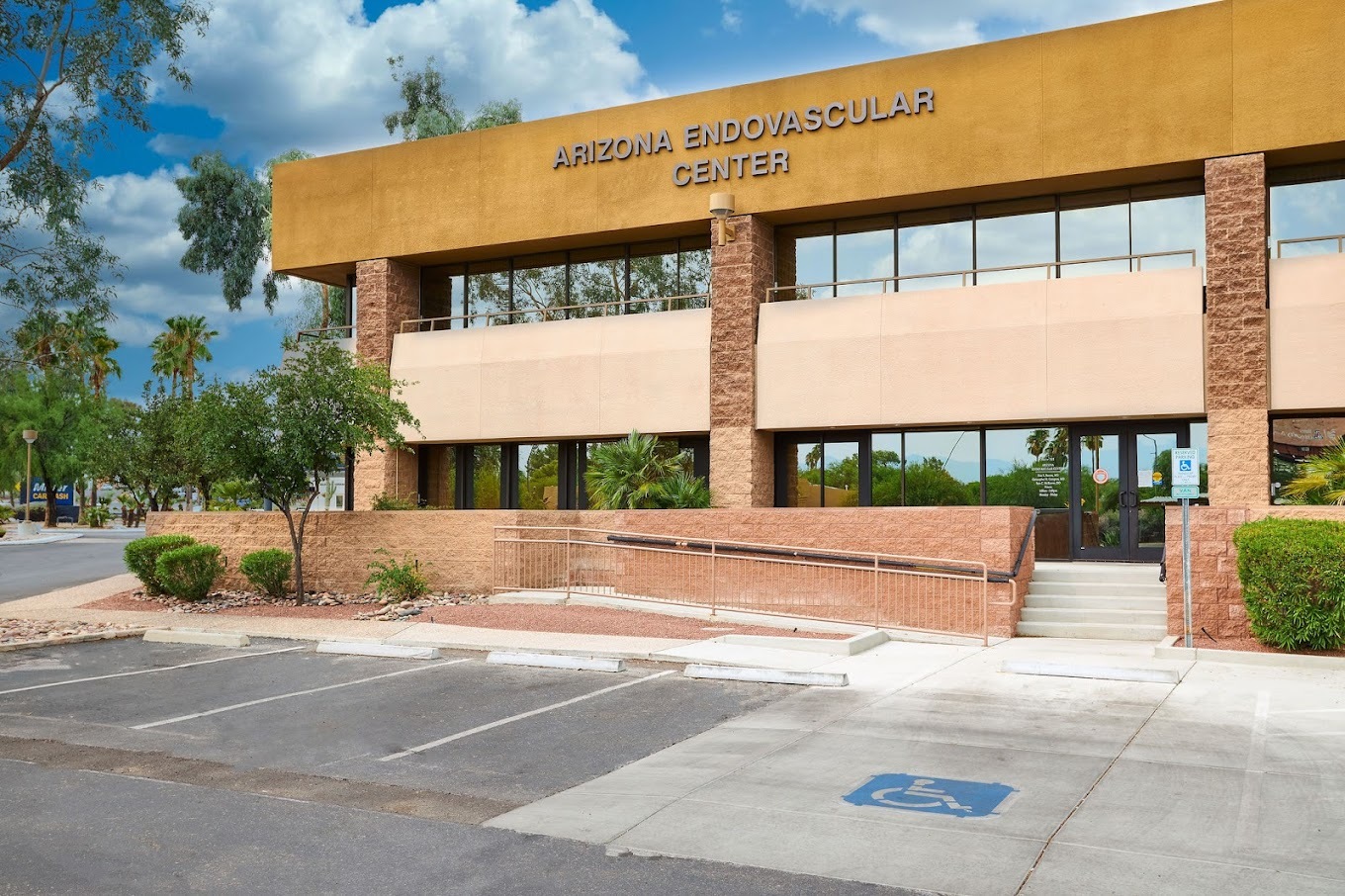
Are you in need of vascular medicare in Tucson, AZ? At the heart of Tucson, Arizona, Arizona Endovascular Center stands as a beacon of excellence in vascular care. With over 15 years of dedicated service, our center combines the expertise of board-certified vascular surgeons, cutting-edge treatments, and an accredited in-house lab to offer unparalleled care. Whether you're facing vascular diseases, seeking relief from varicose or spider veins, or navigating the discomforts of minor pain, our committed team is here to guide you towards optimal health and wellness. Arizona EndoVascular Center, based in Tucson, AZ, is the longest-running specialty practice providing the highest quality of care in treating patients with vascular diseases of the circulatory system. From the common to the complex, our board-certified vascular and endovascular surgeons are at the forefront of providing comprehensive treatment of arterial and venous conditions using advanced and minimally invasive surgical techniques. Our practice is equipped with an in-house accredited vascular laboratory that includes cutting-edge diagnostics equipment and a state-of-the-art surgery center – all under one roof. Our board-certified vascular and endovascular surgeons specialize in diagnosing, treating, and managing circulatory vascular diseases. They are specifically trained to treat peripheral vascular system issues medically, minimally, invasively, and surgically if needed. Their expertise is in using advanced endovascular techniques, including angioplasty and stenting, to restore blood flow. They also use open surgery for conditions such as complex lesions or limb salvage when needed. Address: 6377 E. Tanque Verde Road, Suite 101, Tucson AZ, 85715 (Main Office) Phone: (520) 208-6008 Fax: (520) 296-5800 Address: 1925 W. Orange Grove Road, Suite 209, Tucson AZ, 85704 Phone: (520) 208-6008 Fax: (520) 296-5800 Address: 335 S. Ocotillo Avenue, Benson, AZ, 85602 Phone: (520) 208-6008 Fax: (520) 296-5800 Source- https://www.azendovascular.com/about-arizona-endovascular-center

Cardiac Surgery Specialists
Clinics and Practices
Cardiac Surgery Specialists is a medical group practice located in Plano, TX that specializes in Cardiothoracic Surgery and General Surgery. Baylor Scott & White Cardiac Surgery Specialists delivers quality heart and vascular care while pioneering many breakthrough techniques that revolutionize heart care in North Texas. Our advanced diagnostic tools, treatments and educational programs allow us to provide complete and innovative cardiovascular and thoracic care. BSW Cardiac Surgery Specialists is considered one of the nation’s top heart surgery programs in a practice setting. A significant percentage of surgeries performed by our specialists will be performed off-pump, requiring less blood and allowing patients to experience reduced time spent on a breathing tube and shorter hospital stays. Our specialists maintain privileges at several hospitals within the North Texas community for the convenience of their patients. Some of the heart procedures we perform include: Aortic aneurysm repair Heart valve repair or replacement Carotid endarterectomy Coronary artery bypass graft (CABG) surgery Hypertrophic cardiomyopathy resection MitraClip mitral valve repair Mitral valve repair and replacement Thoracic aneurysm repair Total thoracoscopic MAZE procedure Aortic valve disease Tricuspid valve disease Mitral valve disease Thoracic aortic aneurysm Aortic dissection Angina Abdominal aortic aneurysm Atherosclerosis Arrhythmias Congenital heart disease Carotid artery disease Heart failure Heart attack Pericarditis Thoracic Surgery, General Surgery General Surgery Cardiothoracic Surgery Cardiothoracic Surgery Cardiothoracic Surgery Cardiothoracic Surgery Cardiothoracic Surgery Cardiothoracic Surgery Cardiothoracic Surgery
Cardiology Associates of Corpus Christi
Clinics and Practices
For over 35 years, Cardiology Associates of Corpus Christi has been providing cardiovascular services for the Coastal Bend. Currently, Cardiology Associates is an eleven-cardiologist group providing both non-inva sive and invasive diagnostics and therapeutic modalities to the residents of South Texas. The practice is the largest and oldest cardiology practice in Corpus Christi. The main office is centrally located in the Corpus Christ Medical Tower at 1521 S. Staples, with a southside location at Bay Area Medical Center and also in Kingsville. Satellite offices include Rockport, Beeville, and Alice. If your physician suspects that you have heart disease, you may need to have a cardiac catheterization, or cath. During the procedure, a catheter is inserted into a vein or artery and directed towards the heart. An x-ray dye is injected into your coronary arteries and pictures are taken. This will enable your physician to see if you have any blockages and choose the most effective treatment for you.View our slide show on cardiac catheterization. Cardiovascular Services To provide our patients the best level of care and treatment, Cardiology Associates of Corpus Christi offers both noninvasive and invasive procedures. Our services also include three ancillary clinics at our central location for Anti Coagulation, Congestive Heart Failure, and Rhythm Devices. In addition, Cardiology Associates of Corpus Christi is the only provider in the Coastal Bend and surrounding areas to offer Enhanced External Counterpulsation (EECP), a new nonsurgical treatment for chest pain. Aorta Ultrasound Carotid Doppler Cholesterol Management Education Programs Nuclear Cardiology Tilt Table Testing Echocardiography : Cardiac Echo (2D & Doppler), Stress Echo Electrocardiography: Exercise Stress Testing , Holter Monitoring, Event Monitoring Peripheral Vascular Ultrasound: Arterial Doppler of Extremities, Venous Doppler of Extremities Enhanced External Counterpulsation (EECP) Anti Coagulation/Coumadin Clinic Congestive Heart Failure Clinic Arrhythmia Device Clinic : Pacemaker Checks, Defibrillator Checks Cardiac Catheterization Balloon & Stent Angioplasty Pacemaker Implantation Defibrillator Implantation Transesophageal Echocardiography Electrophysiology (EPS) Catheter Ablation Lead Removals Transluminal Extraction Catheter Rotoblator Atherectomy Source: https://heartofcc.com/

Connected Cardiovascular Care Associates
Connected Cardiovascular Care Associates is the first US cardiology practice dedicated to monitoring of cardiac conditions by using digital wearable devices such as smartwatches, digital blood pressure and weight scales - which are the future of cardiovascular care. C3 is led by internationally recognized interventional cardiologist Dr. Tony Das, Dr. Das has 25 years of experience in complex cardiac and vascular procedures. At C3, Dr. Nicholas Macpherson leads the digital health practice. Together their mission is to give patients less invasive options for treatment and follow up. Whether you have a cardiac condition (blockages, heart rhythm problem or weakened heart) or vascular condition (leg blockages or vein problems), C3 is a leading-edge practice that is dedicated to helping you understand your diagnosis, treat your condition and get you back to enjoying your life. C3 is the first US cardiology practice dedicated to monitoring of cardiac conditions by using digital wearable devices such as smartwatches, digital blood pressure and weight scales - which are the future of cardiovascular care. C3 is led by Dallas Cardiologist, Dr. Tony Das, MD, FACC Dr. Das is a nationally recognized board-certified interventional cardiology specialist that has been practicing in Dallas since 1996. Dr. Das has 25 years of experience in complex cardiac and vascular procedures. C3 is a leading provider of wearable sensor technology, allowing your cardiovascular health to be monitored from anywhere on the globe. Dr. Das, MD graduated from Baylor Medical School in 1990, Harvard Mass General Hospital Internship/Residency in 1993, and Texas Heart Institute Fellowship in 1996 and has been practicing in Dallas since 1996. Dr. Das is one of the first cardiologists in Dallas to specifically obtain board certification in Endovascular Interventions for peripheral vascular disease through the SVMB (Society of Vascular Medicine). Specializing in minimally invasive, non-surgical therapy for heart and peripheral vascular disease, he has advanced training in coronary stents, vascular and carotid artery stents, abdominal aneurysm stent-grafts, and structural heart conditions such as aortic stenosis with TAVR. Recently Dr. Das has been leading initiatives to create national programs to incorporate remote monitoring for cardiovascular patients using wearable watch devices that record vital signs, heart rhythms, coronary disease, and heart failure. These remote physiologic monitors reduce patient hospitalizations and improve care with fewer office visits which is a trend in innovation in cardiovascular care being led by Dr. Das. Dr. Das serves on the advisory council for several cardiovascular and digital health companies, is actively involved in clinical research, and is a reviewer for several cardiac and vascular journals. His research studies involve evaluating drug-eluting stents, new wires for opening chronic occlusions, carotid stent therapy, laser technology for treating long SFA occlusions and below-the-knee vascular disease. Dr. Das has published over 50 peer-reviewed articles and teaches at national and international vascular conferences regularly. Dr Das offers second opinions which include innovative treatment options to avoid traditional surgery. Questions on how to avoid open heart and open vascular surgery with patient testimonials are valued resource for patients seeking the latest information on minimally invasive treatment options for cardiovascular care. Dr. Das has seen thousands of patients for second opinions over his 20+ year career, often leading to much less invasive options avoiding surgery. C3 provides leading Digital Health expertise for ease of patient connection from anywhere on the globe. The use of wearable sensors which are individualized to each patient’s specific cardiovascular condition allows C3 cardiologists to follow trends in cardiac conditions between office visits frequently picking up issues before they become serious. Irregular heart rhythms such as atrial fibrillation can be detected with high specificity and sensitivity using state of the art smartwatch technology. Patients with congestive heart failure can enroll in the Halo program to watch over BP, weight and heart rhythm trends avoiding emergency room visits and hospitalizations. Dr. Nicholas Macpherson leads the digital health efforts at C3. Together with Dr. Das, they are leading the initiative to give patients less invasive options for treatment and follow up. Whether you have a cardiac condition (blockages, heart rhythm problem or weakened heart) or vascular condition (leg blockages or vein problems), C3 is a leading-edge practice that is dedicated to helping you understand your diagnosis, treat your condition and get you back to enjoying your life. Dr. Macpherson a fellowship-trained cardiovascular disease specialist. Dr. Macpherson focuses on treating echocardiography and nuclear cardiology. He enjoys caring for patients with a full range of cardiovascular conditions, from preventative counseling to the treatment of coronary, vascular, and valvular disease, including a focus on heart failure management. To learn about Dr. Das, Dr. Macpherson, our C3 team, and available services, please visit https://www.texasc3.com/ . Structural Heart Disease Fellow Interventional cardiologist Arrythmias (Heart Rhythm) Issues Coronary Artery Disease (Heart Blockage) Issues Congestive Heart Failure (Weakened Heart) Issues Valvular Heart Disease (Heart Valve) Issues Structural Heart Disease (ASD/PFO) Issues What are Arrythmias Issues? Symptoms? Treatments? Arrythmias are issues with your heart rate or rhythm. It may mean irregular heartbeats (Atrial Fibrillation), early or extra heart beats (PACs, PVCs), Fast heartbeats (Tachycardia) or Slow Heatbeats (Bradycardia) and everything in between. Typical symptoms range from no symptoms to passing out. Some people experience a “fluttering” sensation in the chest and others describe a lump in the throat or a hiccup with each early beat or even indigestion or lightheadedness. Symptoms vary from patient to patient. The diagnosis requires catching the abnormal heartbeat on a monitor. This may include an EKG, a heart monitor (Holter or Event Monitor) or even a new smart watch which can detect irregular heart rhythms. The key to diagnosis is to determine the heart rhythms which are more of a minor symptom nuisance versus those which are a danger. Treatment may be as simple as monitoring for symptoms to medications to reduce the events. Some patients benefit from more invasive treatments tailored for their condition. Contact us at [email protected] to see what you qualify for. What is Coronary Artery Disease? Issues? Symptoms? Treatments? Coronary artery disease is the buildup of cholesterol plaques in the arteries that supply the blood flow to the heart. The heart has 3 major arteries, the Left Anterior Descending (LAD, aka “the Widow Maker”), the Left Circumfles (LCx) and the Right Coronary Artery (RCA). Each of these have branches off of them. Blockage of mild to moderate degrees (up to 70%) can be managed with diet, lifestyle change and medications such as cholesterol medicines. Symptoms like chest pain, shortness of breath, fatigue and others typically occur when the blockage is >70% narrowed. This leads to a decrease in blood supply for increased demand, for instance when you are active. Walking, carrying bags, going up stairs and exertion worsen heart pain typically. However, symptoms of coronary artery disease may also occur at rest. Although a squeezing or pressure in the chest is often how people describe coronary artery symptoms, heart disease doesn’t read the textbook. In some patients it may be simply fatigue, or shortness of breath or indigestion. Evaluation usually requires a stress test. These can be done with a treadmill and an imaging portion (either a sonogram/stress echo) or a camera picture (nuclear stress) without exercising on a treadmill using an injection that simulates exercise for those who can’t walk on a treadmill. Both tests are extremely safe and are done in the office. If blockages are suspected, treatments range from prevention and diet control with cholesterol medications to cardiac stents (medicated metal sleeves placed in the artery with minimally invasive techniques) to open heart surgery. If you are concerned, contact us at [email protected] What is Congestive Heart Failure? Issues? Symptoms? Treatments? Congestive Heart Failure (CHF) is the term for “weakened heart muscle” or systolic heart failure. There are multiple reasons the heart may weaken that include blockages and previous heart attacks leading to scar tissue on the heart (ischemic heart failure) or even viral syndromes that effect the heart (viral cardiomyopathy). Other forms of congestive heart failure include normal functioning heart function with inability for the heart to relax between beats, leading to a stiff heart called diastolic heart failure. The prognosis and outcome have become exceedingly good with the diagnosis of congestive heart failure with new medications which can help strengthen the heart and reduce hospitalization

Floyd Cardiology
Clinics and Practices
Bonnie Floyd MD, FACC practices Diagnostic and Interventional Cardiology in Dallas, Texas. Dr. Floyd has served the community for over 30 years ago. Bonnie L Floyd MD, FACC is a board certified cardiologist and fellow of the American College of Cardiology. Her areas of expertise include diagnostic and interventional cardiology. She has been a trailblazer for women in the field of cardiology completing her training in cardiovascular intervention at Baylor Hospital Dallas, when only a handful of women in the world took on this advanced work. A commitment to life-saving technologies lead her to implant the first drug-coated stent in North Texas. Additionally, she was one of the founding cardiologists of the heart transplant program at Medical City Dallas Hospital, which has become one of the leading heart transplant centers in the United States. Further contributions have been to the American Heart Association as the medical advisor who led the ground work for the National Secondary Prevention Program. She has served locally as the Vice President for the Dallas Division of the AHA. Dr. Floyd has also served on committees and task forces for the Dallas County Medical Society. On a community level, a deep regard and caring for the future of children involved Dr Floyd as a board member of the Boys and Girls Clubs of Dallas for many years. Currently, she serves on the board of directors for the Dallas Symphony Orchestra continuing her charitable contributions on a community level. Transesophageal Echo Pacemaker Implant Heart Catheterization Percutaneous Coronary Intervention Angioplasty Stent Placement Source: https://www.floydcardiology.com/

HeartPlace
Clinics and Practices
To improve and protect the heart and vascular health of our patients and North Texas Communities. To always be the premier cardiovascular practice, delivering the highest quality care anywhere. I – Integrity, Innovation, Independence in the delivery of our Mission C – Compassion in the care we provide A – Accountability in every action we take R – Respect for everyone we contact E – Excellence & Empathy in our actions and communications HeartPlace Plano has the best cardiologists and vascular surgeons in Plano, TX. We treat many heart and vascular conditions including varicose veins, peripheral vascular disease, coronary artery disease, and many others. We are located next to Medical City Plano hospital. When approaching the building the entrance is on the West (left) side of the building inside the alcove. Our office is on the 3rd floor and is the first suite to the right after exiting the elevator. We are open from 8:00 am - 4:30 pm Monday - Friday and closed on major holidays. Our waiting room (lobby) has fresh coffee and magazines for you or family members. Please check in at the front desk when you arrive and our staff will get you registered as soon as possible. We strive to be the very best cardiologists in Plano and take care of not only your heart but your mind by putting it at ease. You are in great hands at HeartPlace Plano. Phone: 972-985-8838 Fax: 844-292-1457 Dr. Timothy Dao Dr. John Duncan Dr. Arjun Nair Dr. Rikesh Patel Dr. Marc Pieniek Dr. Gautam Reddy Stacy Andrews, MSN, APRN, AGACNP-BC Phone: 469-467-6655 Fax: 972-341-3403 Dr. Rajjit Abrol Phone: 972-941-3117 Fax: 844-289-7691 Dr. Olusegun Oyenuga Source: https://www.heartplace.com/

Houston Cardiovascular Associates
Clinics and Practices
Houston Cardiovascular Associates has been a leader in providing cardiovascular patient care for over half a century. We are the largest private cardiology group in the world-famous Texas Medical Center and are often recognized as the premier cardiology group in the Houston area. Throughout our growth, we have always remained committed to the values on which Houston Cardiovascular Associates was founded: providing quality, state-of-the-art cardiovascular care with compassion and personal attention. We take pride in providing superior healthcare tailored for you. Houston Cardiovascular Associates’ greatest success remains your good health! Howard S. Rubin, M.D. Robert G. Hust, M.D. Stuart L. Solomon, M.D. Kevin A. Lisman, M.D. George С. Li, M.D. A. George Basu, .M.D. Oscar R. Rosales, M.D. Akira Nishikawa, M.D. Earl Mangin Jr., M.D. Michael J. Stephen, M.D. Manuel M. Reyes, M.D. David Yao, M.D. Htut К. Win, M.D. Thomas E. Hong, M.D. Cardiac Electrophysiology Michael S. Sweeney, M.D. PERIPHERAL VASCULAR DISEASE Carotid Artery Stenosis Claudication & Critical Limb Ischemia Varicose Veins Risk Factors CORONARY ARTERY DISEASE Heart Attacks Chest Pain & Angina STRUCTURAL HEART DISEASE Aortic Stenosis Atrial Septal Defect (Asd) Atrial Fibrillation ELECTROPHYSIOLOGY Bradycardia, Syncope Supraventricular Tachycardia (SVT) and Wolff-Parkinson-White Syndrome (WPW) Heart Failure and Ventricular Tachycardia (VT) Atrial Fibrillation Source: https://www.houstoncardiovascular.com/
Lake Washington Vascular
Clinics and Practices
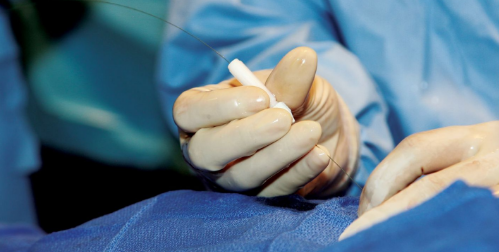
Our practice’s five doctors are some of the leading vascular surgeons in the region – conducting research on the latest techniques; working closely with Overlake and Evergreen Hospitals; and providing vascular surgery, physician consultations; and spider and varicose vein treatments. Lake Washington Vascular has offices at Overlake Medical Center (Bellevue), EvergreenHealth Medical Center (Kirkland), and Highmark Medical Center in Issaquah. We see and care for patients and have a full service vascular laboratory at all three of our locations. Doctors Daniel Pepper, Kathleen Gibson, Brian Ferris, and Renee Minjarez all have admitting and operating privileges at Overlake Medical Center and EvergreenHealth Medical Center. For more than 25 years, Lake Washington Vascular has been the Puget Sound region’s center for total vein and artery health. We identify medical advances and integrate them into ever-advancing care. Whether you need an ultrasound to pinpoint a problem, surgery for vein or artery disease, or treatment for spider veins or varicose veins, we provide thorough care using the latest techniques. Vascular (arterial) disease is a leading cause of death and disability. Often, vascular disease may go undetected until it causes symptoms (such as a stroke) or death. Early detection of many vascular problems may prevent deaths and disability by providing timely medical or surgical treatment. Risk factors for vascular disease include a history of smoking, high blood pressure, high cholesterol, obesity and diabetes. Individuals with any of these risk factors have the most to gain from screening. Individuals with a significant family history of vascular disease (such as strokes, heart attacks, or aneurysms) may also wish to consider screening as it can detect early stages of disease. The testing is performed using our state of the art ultrasound machines. The testing is painless, using ultrasound jelly on the skin and a handheld probe. Testing is performed by highly specialized vascular technologists who have completed four years of training in vascular ultrasound. You will receive your results immediately, but your exam will also be reviewed by one of our vascular surgeons at a later time. Your evaluation should take about thirty minutes. Vascular screening at Lake Washington Vascular includes four important tests: 1. Carotid artery disease screening: The carotid arteries provide blood to the brain. Blockages in these arteries are a common cause of strokes. 2. Abdominal aortic aneurysm (AAA) screening: AAAs are enlarged blood vessels that are usually silent until rupture. AAAs are a leading cause of death, particularly in men over age 60. 3. Kidney artery narrowing: Kidney artery narrowing can cause high blood pressure or kidney failure. 4. Leg artery narrowing: Narrowing in leg arteries can cause pain with walking, or make wounds on the legs heal slowly. Leg artery narrowing is also a strong indicator of arterial problems in other areas, such as the heart. In general, insurance carriers and Medicare currently do not reimburse for preventative screening studies. You will be responsible for the screening fee. No. Since vascular screening tests are not covered by insurance, anyone can “self-refer” for testing. We encourage you to share the results of the test with your primary care physician. At your request, we can mail the results of your testing to your physician; however, you are responsible for ensuring that they follow up with you. Usually, an abnormal screening test should be followed up with a dedicated in depth vascular test to further evaluate the area of abnormality. This can be ordered by your physician, and in many cases, would be covered by insurance. Lake Washington Vascular Laboratory has three convenient locations: in Bellevue at the Overlake Medical Tower, in Kirkland at the Evergreen Surgery & Physicians Center, and in Issaquah at the Highmark Medical Center. Appointments are available at all three locations five days a week. Some Saturday appointments are available in Bellevue. Certification: American Board of Surgery, General & Vascular Surgery Vascular Fellowship: University of Washington, Seattle, WA Residency: General Surgery, University of Washington, Seattle, WA Medical School: University of Washington, Seattle, WA Download CV Certification: American Board of Surgery, General & Vascular Surgery Vascular Fellowship: University of Arizona, Tucson, AZ Residency: General Surgery, Oregon Health & Science University, Portland, OR Medical School: University of Virginia, Charlottesville, VA Download CV Certification: American Board of Surgery, General & Vascular Surgery Vascular and Endovascular Fellowship: Oregon Health & Science University, Portland, OR General Surgery Residency: Oregon Health & Science University, Portland, OR Medical School: University of Texas Southwestern Medical Center at Dallas, Dallas, TX Download CV Certification: American Board of Surgery, General & Vascular Surgery Vascular Surgery Residency: University of Wisconsin Hospital & Clinics, Madison, WI Medical School: University of Washington, Seattle, WA Download CV Certification: American Board of Surgery Elgible, General & Vascular Surgery Vascular Fellowship: University of Pittsburgh Medical Center, Pittsburgh, PA Residency: General Surgery, Boston University Medical Center, Boston, MA Medical School: Medical College of Wisconsin, Milwaukee, WI Downloadable CV ARNPs/PA-Cs Sarah Brisson, BS, RVT Sclerotherapy Nurses Merrie Leiderman, BS, RVT Matthew Wise, BS, RVT Robert Atwood, BS, RVT Ashley Parker, BS, RVT Ashlee Harrison, BS, RVT 1135 116th Ave. NE, Suite 305 Bellevue, WA 98004-4623 Tel: 425.453.1772 Fax: 425.453.0603 [email protected] Get personalized driving directions to the Overlake Hospital Medical Tower From I-405 southbound , take NE 8th exit, eastbound From I-405 northbound , take NE 4th exit, follow signs to Hospital Turn north from NE 8th onto 116th Ave. NE Turn left into Hospital campus at the emergency entrance Parking garage is on your right Patient drop off is at entrance in the circular drive on the left Take elevators to the 3rd floor and follow hall on right to Suite 305 12333 NE 130th Lane, Suite 425 Kirkland, WA 98034-3051 Tel: 425.453.1772 Fax: 425.453.0603 [email protected] Get personalized driving directions to the Evergreen Surgery & Physicians Pavilion From I-405 Southbound: Take NE 124th St. Exit (Exit 20) At the end of the exit ramp, turn right onto NE 124th St. Right at 1st stoplight onto 116th Ave. NE Right on NE 128th St. Continue on NE 128th St. up the hill Turn left onto 124th Ave NE and enter the East Entrance of the garage From I-405 Northbound: Take NE 124th St. Exit (Exit 20B) Stay right and follow sign toward Totem Lake Blvd. At light, road turns into 120th Ave. NE Stay on 120th Ave. NE up a hill Right on NE 128th St. Continue on NE 128th St. up the hill Turn left onto 124th Ave NE and enter the East Entrance of the garage Parking: Left at the stop sign into Evergreen Surgery Pavilion Parking/East Garage Down one level to Level “D” Park in Patient or Handicapped space Evergreen Surgery and Physicians Center Pavilion is at the corner of the garage (opposite the elevators You will be on the 4th floor of the building when you enter 1740 NW Maple St., Suite 200 Issaquah, WA, 98027 Tel: 425.453.1772 Fax: 425.453.0603 [email protected] Get personalized driving directions to the Highmark Medical Center From I-90 Eastbound: Take exit #15 for WA-900/Renton Road Turn right at WA-900 Renton Road Turn right at the light: NW Maple St. Free parking under the building From I-90 Westbound: Take exit #15 for WA-900/Renton Road Turn left at 17th Ave NW Continue onto Renton Road Turn right at the light: NW Maple St. Free parking under the building Source: https://lakewashingtonvascular.com/
Michigan Vascular Centre
Clinics and Practices
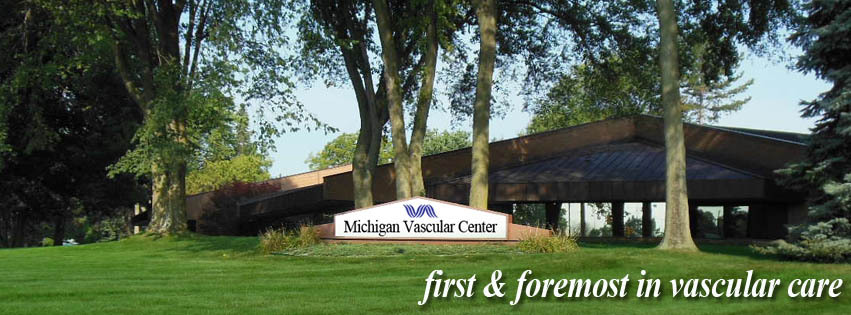
Michigan Vascular Center is one of the oldest and largest group of Vascular Specialists in private practice in Michigan. The physicians at Michigan Vascular Center work together as a true group practice. No patient is claimed as one’s own. Decisions are typically made with the input of the group, adding the value of a vast combined experience to each patient’s care. The vascular specialists collaborate on patient care, share ideas, operate together, and share responsibility for the patients’ well being. We all believe that “two heads are better than one,” especially when something as important as our patient’s life is on the line. Sharing the daily patient care responsibilities, our doctors are also able to attend meetings and training courses around the country and internationally. They bring back these insights and advances to the group for the sake of the patients. Michigan Vascular Center is one of the oldest and largest groups of vascular specialists in private practice in Michigan. We bring state-of-the-art solutions to our patients through minimally invasive techniques or open surgical repairs. Our dedicated team of surgeons focuses solely on vascular surgery, a rapidly evolving field that encompasses all veins and arteries except those in the brain and the heart. Exclusively handling vascular disease and injuries allows them to gain invaluable insight into diagnosing and treating vascular problems. Our nationally accredited, highly trained specialists pioneer minimally invasive endovascular procedures to treat diseases that traditionally require extensive operations. We believe that “two heads are better than one,” especially when something as important as our patient’s life is on the line. The physicians at Michigan Vascular Center work together as a true group practice—no patient is claimed as one’s own. The vascular specialists collaborate on patient care, share ideas, operate together, and share responsibility for the patient’s well-being. 1963: First open Abdominal Aortic Aneurysmectomy in Mid-Michigan 1963: First Carotid Endarterectomy in Mid-Michigan 1963: First Femoral-Popliteal Bypass in Mid-Michigan 1975: First in Mid-Michigan to offer Tibial Artery Bypass for limb salvage 1977: Development of a Vascular Registry 1988: First in Flint to implant a Palmaz Stent (R. Iliac Artery) 1992: Mid-Michigan’s first ICAVL-Accredited Vascular Laboratory 1998: Mid-Michigan’s first Endovascular Repair of Abdominal Aortic Aneurysm 2004: Formed Mid-Michigan’s only dedicated non-profit Vascular Clinical Research Center 2004: First in the state of Michigan to implant FDA-approved Carotid stent (manufactured by Guidant, Inc.) 2005: Opened Mid-Michigan’s first free-standing, full service, Hemodialysis Access Center 2005: First and only site in the state of Michigan to implant a superficial femoral artery drug coated stent (manufactured by Cook, Inc.) (Zilver Trial) 2006: First in the state of Michigan to implant FDA approved abdominal aortic aneurysm pressure monitoring device (manufactured by CardioMEMS) 2008: First in the state of Michigan to perform endovascular removal of blood clots from veins (Stride I Clinical Research Trial using the Trellis® 8 device) 2008: Mid-Michigan’s first percutaneous repair of AAA under local anesthesia 2008: Michigan Vascular Center chosen as one of five training sites in the U.S. for the Endologix Powerlink endograft for AAA 2008: First Endologix Powerlink XL AAA endograft implanted in Michigan 2012: First Mobility Center in Michigan and one of the nation’s first, dedicated to the rehabilitation of the amputee Michigan Vascular Center exists to improve the quality of life for patients by providing the most comprehensive, innovative and best possible vascular care based on sound principles of treatment. Michigan Vascular Center exists to render that care with compassion, respect and integrity; exercising the best possible thought and judgment for the patient’s benefit. Michigan Vascular Center (Main Campus) Phone: 810-732-1620 5020 W. Bristol Road Flint, MI 48507 VeinSolutions™ Flint Phone: 810-232-3363 5151 Gateway Centre, Ste 400 Flint, MI 48507 Michigan Vascular Access Center (Flint) Phone: 810-600-0560 5202 Miller Road Flint, MI 48507 Michigan Vascular Center (Lapeer) Phone: 810-272-3880 1122 S. Lapeer Road Lapeer, MI 48446 Michigan Vascular Access Center (Saginaw) Phone: 989-921-0900 4700 McLeod Dr., Suite A Saginaw, MI 48604 Source- https://michiganvascularcenter.com/

National Cardiovascular Partners
Clinics and Practices
NCP strives to be the highest-quality and largest outpatient cardiology and vascular services provider in the US. National Cardiovascular Partners (NCP), a division of Fresenius Medical Care North America (FMCNA), is the market leader of the outpatient, hybrid cardiovascular center (ASC/office-based lab) model. Partnering with physician entrepreneurs, NCP oversees the development, management, and operations of the centers, allowing physicians to focus on providing exceptional and innovative patient care. We’re located in twenty-three locations in six states—Arizona, Florida, Kansas, Louisiana, South Carolina, and Texas. FIND A CENTER Our evolved partnership with NCP exemplifies the opportunity for achieving successful collaboration, resulting in clinical expertise and strategic business outcomes. DR. ANDREI DAMIAN DR. JEFF CARR, CARDIOVASCULAR ASSOCIATES OF EAST TEXAS "I recently performed five interventions and two diagnostic cases in our lab and was finished at 2 p.m. It was amazing. All the patients were home before 5 p.m. I even had a brief lunch meeting. I give credit to our great staff and my awesome nurse who did an amazing job of giving great care to our patients, keeping our throughput on schedule, eliminating interruptions, and leveraging my time. I can't tell you how incredible this was. I have never experienced this level of efficiency in a hospital setting." DR. ANDREI DAMIAN, CARDIOVASCULAR CONSULTANTS, LTD. "With the speed of change engulfing the healthcare industry, creating partnerships that align clinical outcomes with business acumen, is vital. Our evolved partnership with NCP exemplifies the opportunity for achieving successful collaboration, resulting in clinical expertise and strategic business outcomes. CVC is appreciative of having NCP as a corporate partner that engenders a unique opportunity for us. We are grateful for the partnership with NCP." DR. ANIL ODHAV, MEMORIAL KATY CARDIOLOGY ASSOCIATION "My experience with NCP has been nothing short of outstanding! To have a corporate partner who is aligned with the physicians' priorities of outstanding clinical outcomes, efficient care, and growth of the business in an environment of collaboration has been invaluable to me and my practice. The depth of clinical expertise, business acumen, and broad range of experience create a sense of security, knowing that we have a partner that is looking after our best interests. They create opportunity for us and for that we are grateful." National Cardiovascular Partners (NCP) is dedicated to making world-class centers and services a seamless reality for our partners. The satisfaction of our physician partners attests to the success of our business model. Convenient and comfortable hybrid ambulatory surgery center (ASC)/office-based lab Flexible scheduling with favorable operating hours Continuity of patient care by providing both diagnostic and therapeutic procedures Enhanced patient education and communications in advance of appointments, minimizing patient downtime, reducing stress, and maximizing time spent with clinicians Pre-procedure preparation performed by RNs Efficient operations allowing procedure durations averaging less than one hour Patient follow-ups from RN within twenty-four hours after every procedure Significantly lower copays versus hospital procedures Please call us at 651-846-8792 Source: https://fmcna.com/physician-solutions/cardiovascular-care/national-cardiovascular-partners.html

Novant Health Cardiology – Thomasville
Clinics and Practices
A heart condition or disorder that affects your overall health or ability to enjoy the activities you love needs attention from a team of providers dedicated solely to heart health. Novant Health Cardiology – Thomasville is proud to bring together a care team devoted solely to cardiology, and advanced technology to both diagnose and treat conditions affecting the heart and veins. Our clinic is commited to delivering the cardiac care you deserve close to where you live. You can get a wide variety of both diagnostic and therapeutic procedures here in our office. This ensures you get the care you need without delay. Should you need more advanced care than is available in our office, you have access to resources from across the Novant Health network. Our clinic is located on Old Lexington Road, near Novant Health Thomasville Medical Center. We are easily reached from Interstate 85 and Business 85. We are close to High Point, Trinity, Archdale, Lexington and Denton. Novant Health Cardiology – Thomasville diagnoses and treats adult patients suffering from both chronic cardiac conditions such as heart disease and acute cardiac ailments such as blood clots or aneurysms. Our goal is to help you improve or preserve your cardiac health so you can live the most active and healthy life possible. Getting an accurate diagnosis is the first step in any treatment. Your providers will use advanced diagnostic tools including: Electrocardiogram (EKG; a test using electrodes to measure the electrical signals that control the rhythm of the heart) Holter and arrhythmia event monitoring (tests using portable devices to monitor heart function during daily activities through electrodes stuck onto the chest) Exercise treadmill testing (a test to look for blockages or signs of heart disease while a patient exercises on a treadmill) Nuclear stress imaging (monitoring of heart rhythm functions before, during and after exercise; an isotope is injected into the bloodstream and special cameras are used to track the isotope as it circulates) Cardiac echocardiogram (a painless exam which uses sound waves to evaluate the structure and function of the heart) Stress echocardiogram (a test which uses sound waves to examine the heart before, after and sometimes during physical activity) Transesophageal echocardiogram (a test using sound waves to evaluate heart function through the esophagus; available at Novant Health Thomasville Medical Center) Lipid/cholesterol assessment (a test to measure cholesterol and lipids in the blood to detect a disorder or see if a medication is working; available at Novant Health Thomasville Medical Center) Lipid/cholesterol assessment (a test to measure cholesterol and lipids in the blood to detect a disorder or see if a medication is working; available at Novant Health Thomasville Medical Center) Ankle brachial index (a test to measure blood pressure at the ankle and the arm; available at Novant Health Thomasville Medical Center) Carotid ultrasounds (a test using sound waves to examine blood flow in the carotid arteries, which can detect problems in the blood supply to the brain; available at Novant Health Thomasville Medical Center) Abdominal aorta ultrasound (a test to examine the abdominal aorta and associated blood vessels; available at Novant Health Thomasville Medical Center) Peripheral venous upper/lower extremities (a test to examine blood flow to the arms and legs; available at Novant Health Thomasville Medical Center) Aneurysm evaluation (the use of ultrasounds, X-rays or CT scans to examine weaknesses in artery walls; available at Novant Health Thomasville Medical Center Cardiac catheterization (a procedure involving the insertion of a thin tube into an artery in an arm or leg; this can be used to detect or address blockages) Balloon angioplasty/ percutaneous transluminal coronary angioplasty (PCTA) (a procedure in which a balloon tool is used to push artery-clogging plaque against artery walls to make more room for blood flow) CT coronary angiogram (an imaging test to assess the arteries that carry blood to the heart; available at Novant Health Kernersville Medical Center) Should you need a cardiac surgery procedure, you can receive care from a team of providers you know and trust. Cardiac surgery procedures are performed at Novant Health Forsyth Medical Center. Our providers regularly complete: Pacemaker placement Loop recorder insertion (for long-term heart monitoring) Internal cardiac defibrillator (ICD) placement Patent foramen ovale (PFO) repair Atrial septal defect (ASD) repair Pacemaker and ICD clinics (to check on the function of those devices) Management of care for congestive heart failure and abnormal heart rhythms Advanced cholesterol and lipid management Coordination with the heart failure program at Novant Health Forsyth Heart and Wellness Access to rehabilitation services after a cardiac episode (including exercise, psycho-social and nutritional assessments) Source: https://www.novanthealth.org/clinic-locations/novant-health-cardiology---thomasville.aspx

Oak Street Health
Clinics and Practices
Founded in 2012, Oak Street Health is a network of value-based primary care centers for adults on Medicare. With a mission of rebuilding healthcare as it should be, the company operates an innovative healthcare model focused on quality of care over volume of services, and assumes the full financial risk of its patients. Oak Street Health currently operates more than 125 centers across 20 states. At Oak Street Health, we don’t just see you as a patient, we see you as family, and the care and support we provide is a reflection of that. From dedicated doctors and care team members who take the time to know and understand your individual health needs and goals to our 24⁄7 support line, our personalized, preventive care is designed to help you stay active and healthy. You’re never just a number. Our primary care doctors and each and every member of our care team take the time to get to know you, spending nearly twice as long as other providers so we can provide you with personalized care and support when and where you need it. Learn more Being able to freely discuss private matters with your primary care doctor is key to understanding your needs. That’s why we take more time with our patients than other primary care physicians would. And because you’re an individual, our approach isn’t a one-size-fits-all method either. Wellness is at the heart of everything we do. We’re dedicated to helping you take greater control of your health through regular checkups, thorough exams, and connecting you to the services you need and deserve to reach your health goals. Making sure you get the most from your Medicare plan is crucial and we’re here to help. Everyone’s situation is different, so your choice of plan is key. At Oak Street Health, you have a personal Medicare expert to help you understand your options so you can make the best decision on what’s right for you . Maintaining your health is about making sure you have access to comprehensive quality care when you need it. Patients who qualify can also access our clinical programs, including mental healthcare, advanced care planning, disease management, and mail-order Rx and over-the-counter delivery service. Wellness and Preventive Care — Preventive Care Services for Seniors on Medicare Chronic Conditions — Chronic Condition Care for Seniors on Medicare Immunizations — Immunizations for Seniors on Medicare Laboratory & Testing — Laboratory & Testing Services for Seniors on Medicare Behavioral Health — Senior Behavioral Health Services & Specialists Podiatry — Podiatry for Seniors on Medicare Pharmacy — Pharmacy for Seniors on Medicare Speciality Referrals — Specialty Care Referrals for Seniors on Medicare Source: https://www.oakstreethealth.com/
Phoenix Cardiovascular Institute
Clinics and Practices
Phoenix Cardiovascular Institute team of qualified doctors & staff are here to help you. Meet Our Team Our office is located at 4616 Battlefield Parkway, Ringgold, GA, 30736. get directions Phone: (706) 858-3988 View our patient links to interact with our staff. Patient Links Angina/Chest Pain Congestive Heart Failure (CHF) Valvular Heart Disease Cardiac Arrhythmia Management Atrial Fibrillation Coronary Artery Disease (CAD) Hypertension (HTN) Hyperlipidemia Source: https://www.phoenixcardiovascular.com/
Sarver Heart Center
Clinics and Practices
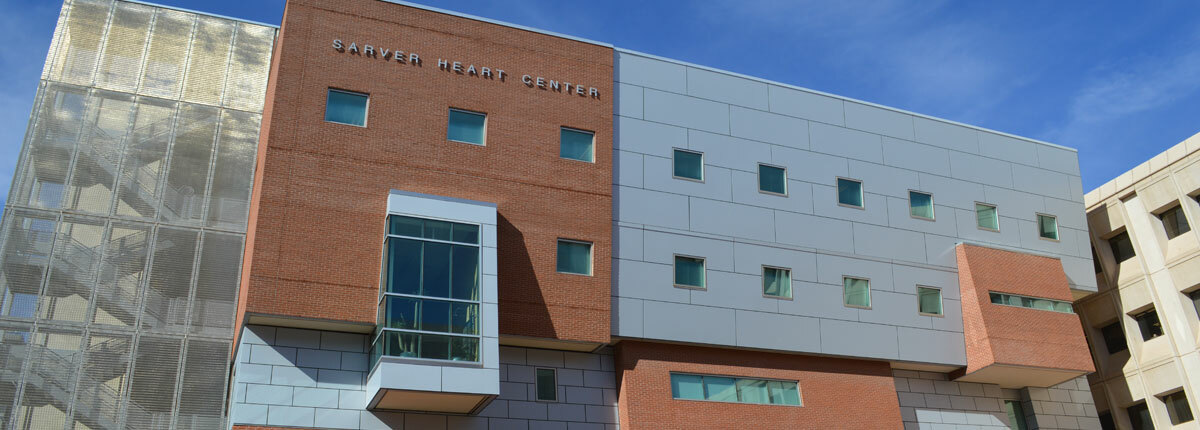
Since 1986, the University of Arizona Sarver Heart Center faculty has pursued life-saving innovations, research and patient care. We have made progress since the 1960s when 40 percent of Americans died of cardiovascular disease. Today, that figure has decreased to 34 percent and death from the disease now occurs at an older age. Nevertheless, we cannot take much solace, as cardiovascular disease remains the No. 1 killer of Americans — a statistic that holds true for women as well as men. The Sarver Heart Center was founded as the University Heart Center in 1986 with the goal of preventing and curing cardiovascular disease through the three pillars of research, education and patient care. Renamed in 1998 in recognition of generous support from the Sarver family, the Center is composed of more than 160 physicians and scientists with national and international reputations. Their goal is to bring together scientists from complementary backgrounds and expertise to work collaboratively toward a future free of heart disease, vascular disease and stroke. Jack Sarver died of heart disease in 1979 at the age of 58. The family struggle against heart disease began in the paternal lineage generations before his birth. The childhood memories of his young father's valiant struggle motivates Robert Sarver, with three sons beginning the next generation of the Sarver family, to end "the heritage of heart disease." Dr. James Liao President, Sarver Heart Center Dr. Michael Dake Senior Vice President, Health Sciences Professor, Medical Imaging Professor, Surgery Professor, Medicine [email protected] Carol Gregorio, PhD Interim Director, University of Arizona Sarver Heart Center Assistant Vice Provost, Global Health Sciences Executive Director, Health Sciences Global and Online Department Head, Cellular and Molecular Medicine Director, Molecular Cardiovascular Research Program Co-Director, Sarver Heart Center Professor, Cellular and Molecular Medicine Professor, Molecular and Cellular Biology Professor, BIO5 Institute [email protected] Cardiovascular disease is the major cause of death in both men and women. Learn more about what you can do to prevent heart disease, strokes and diabetes — cardiovascular diseases that are leading causes of death and disability in the United States. Prevention Advanced Heart Disease Heart Attacks Heart Rhythm Disorders Learn CPR Structural Heart & Heart Valve Disease Para obtener más información sobre la salud del corazón en español, HAGA CLIC AQUÍ The Sarver Heart Center was founded as the University Heart Center in 1986 with the goal of preventing and curing cardiovascular disease through the three pillars of research, education and patient care. Renamed in 1998 in recognition of generous support from the Sarver family, the Center is composed of more than 150 physicians and scientists with national and international reputations. Their goal is to bring together scientists from complementary backgrounds and expertise to work collaboratively toward a future free of heart disease, vascular disease and stroke. In the fall of 2000, the Sarver Heart Center dedicated its new home, a 30,000-square-foot, three-story addition to the original College of Medicine building. Equipped with several state-of-the-art research laboratories, the Center recruits world-class faculty and researchers to help in the discovery of the scientific advances of the future under the Molecular Cardiovascular Research Program (MCRP), established in 2006. At that time, the UArizona College of Medicine’s Medical Research Building opened, providing a place where basic scientists are studying the molecular mechanisms underlying cardiovascular disease with the goal of developing new preventive and therapeutic approaches. Carol Gregorio, PhD , director of the MCRP, was appointed co-director of Sarver Heart Center in 2007. “We have a highly collaborative environment here. Historically we’ve talked about moving research from ‘bench to bedside,’ or from the laboratory to the patient-care setting. Now, with our focus on state-of-the-art approaches including genomics, imaging, modeling, advanced cell and molecular biology and biophysics, together with our human cardiac biorepository , we’re equally likely to take discoveries from the bedside to the bench and back to the bedside in the form of precision medicine. We are developing approaches to utilize patient blood samples in the basic science setting to study more precise treatments for each particular patient’s health condition,” said Nancy K. Sweitzer, MD, PhD , Director of the UA Sarver Heart Center and Professor of Medicine and Chief of Cardiology at the UA College of Medicine - Tucson. According to a study published in the New England Journal of Medicine in 2006, life expectancy increased about seven years since 1960, and 50 percent of this increase was attributed to improved health care. Of that, about 70 percent of the longevity gain from health care was due to advances in the fight against cardiovascular disease. Sarver Heart Center has been at the forefront of this progress. Here are some of the firsts from Sarver Heart Center: 2012 – Interventional cardiologists launched the Transcatheter Aortic Valve Replacement (TAVR) and the Structural Heart Disease programs, when they performed the first TAVR procedure in southern Arizona, replacing the aortic valve of an 80-year-old woman considered too frail for open-heart surgery. This minimally invasive catheter-based treatment provides a lifesaving option for patients who are considered too ill to survive open-heart surgery to replace severely blocked aortic valves. 2011 – Pediatric cardiologists Ricardo Samson, MD, and G. Michaels Nichols, MD, are the first in Arizona to use a catheter to replace a pulmonary valve, avoiding open-heart surgery for their 26-year-old patient. 2010 – the Journal of the American Medical Association (JAMA) , published results from a five-year study of the Resuscitation Research Group that showed bystanders were more likely to do chest-compression-only CPR and a person’s chance of survival from sudden cardiac arrest doubled when this simpler method was used. The method was adopted by the American Heart Association in 2010. 2008 – Dr. Frank Marcus and his team established an international registry for individuals diagnosed with ARVC and its progression; including the chromosomal loci, specific gene mutations, and the genotype/phenotype associations linked with this disorder. 2004 – the UA Sarver Heart Center Resuscitation Research Group introduced Cardiocerebral Resuscitation, a new method for bystanders and for paramedics. Initiated in Tucson and two counties in Wisconsin, it expanded to selected cities in Arizona in 2005; then Kansas City, Mo., in 2006. In each area, survival of patients with primary cardiac arrest improved dramatically, a breakthrough that gained the group international recognition. 2003: the UA Sarver Heart Center Resuscitation Research Group announced a major initiative to train people about Continuous-Chest-Compression CPR for sudden cardiac arrest, following research that proved the hands-only, no mouth-to-mouth method doubled a person’s chance of survival. 2001 – Dr. Frank Marcus and his team set clear guidelines for diagnosis of Arrhythmogenic Right Ventricular Cardiomyopathy (ARVC), a congenital heart disease that can cause cardiac arrest. 2000 – the Sarver Heart and University Medical Center Cardiothoracic Transplant team began to study the “Berlin Heart,” a ventricular-assist device that is attached to a child’s heart to provide relief. The device helps strengthen heart muscle to overcome congenital cardiomyopathy, eliminating the need for a transplant. 1997 – The Samuel and Edith Marcus Visiting Professor in Cardiology was established by the Dr. Frank Marcus along with his siblings for the enhancement of education and research for students, residents, fellows and faculty in cardiology. 1990s – based on their experimental lab findings, the UA Sarver Heart Center’s Resuscitation Research Group, led by Dr. Gordon A. Ewy and Dr. Karl B. Kern, and their CPR research colleagues, began advocating a new method of CPR: continuous chest compressions (without breaths) to aid people who collapse due to primary cardiac arrest. 1986 – The UA Sarver Heart Center was founded as the University Heart Center under the direction of Drs. Jack G. Copeland and Eugene Morkin with only a few members. 1986 – Dr. Frank Marcus published his discovery that radiofrequency energy was a safer substitute for DC energy in eliminating sites of arrhythmias in the heart. This technology is now used worldwide on a daily basis to treat different types of arrhythmias. 1985 – Dr. Jack G. Copeland became the first surgeon in the world to perform a successful bridge-to-transplant procedure using an artificial heart to replace the diseased heart of end-stage heart failure patient while waiting for a donor heart. 1981 – Dr. Frank Marcus occupied the Distinguished Professor of Medicine chair dedicated to the prevention of sudden death from Arrhythmogenic Right Ventricular Cardiomyopathy (ARVC), and subsequently became a world authority on this condition. 1979 – the first heart transplant in Arizona. Since then, more than 900 heart transplants have been done here. Source: https://heart.arizona.edu/about-center
Southeast Texas Cardiology Associates
Clinics and Practices
Southeast Texas Cardiology Associates has been providing our area and surrounding areas with comprehensive adult cardiovascular care since 1982. Founder and board-certified, interventional cardiologist, Dr. Rodolfo Sotolongo has dedicated the last 40 years of his life to healthcare. Although his sub specialty is in internal medicine, which he is also board certified in, his even deeper passion lies within cardiovascular medicine. We specialize in heart disease, the vascular system, and venous complications. These 3 areas of focus all play an important role in our body's overall circulation. Without a healthy circulatory system, vital nutrients, hormones, oxygen and water can not be delivered to the cells in our bodies. The circulatory system, itself, is made up of the heart, blood and blood vessels (arteries and veins). Due to the critical nature along with the complexities of our circulatory systems, diseases which affect our circulation are among the leading causes of death around the world. At Southeast Texas Cardiology Associates, we pride ourselves in providing a multitude of cardiovascular services. With over 40 years of experience in heart specific health care, our staff is well trained on not only all major disease states, but also more minor or perhaps less common ones as well. Find more detailed information on the … read more At Southeast Texas Cardiology, Vein Clinic & Vascular Center, we provide all of your cardiovascular and venous health needs. We are proud to offer several in-house procedures, which often can help avoid complications associated with hospitals. An additional benefit of using our facility rather than a hospital for these procedures, is … read more Did you know? Treating varicose veins can now be done using an innovative, non-surgical procedure called endovascular laser therapy. In the past, treating varicose veins required vein stripping, an invasive surgery that was followed by a hospital stay, a long recovery period and a less-than-acceptable aesthetic result. Now, with … read more Source: https://setxcardiology.com/
Texas Cardiology Associates of Houston
Clinics and Practices
Our team of Houston cardiologists believe in the power of education as a means to support heart health. As heart care experts, we help our patients work towards improved cardiovascular health and quality of life. In cardiac diagnostics , a stress test helps us learn more about how your heart functions under various levels of strain. You might recognize this test from a variety of media as someone running on a treadmill while connected to monitors. By studying your heart as your body works harder, we see how well your heart pumps blood. This test allows us to see whether there’s a lack of blood supply flowing through the arteries on the path to your heart. SPECT PET In order to determine the best treatment for your heart or vascular condition, we conduct thorough cardiac diagnostics to understand the issue. At Texas Cardiology Associates of Houston, we conduct a broad spectrum of diagnostic tests to gain clear insight into your issues. This allows us to prescribe the most efficient and effective treatments. With a heart rhythm monitor, we record the electrical activity of your heart. This allows our physicians to identify irregular rhythms, also known as cardiac arrhythmias. Cardiac arrhythmia is one of the most common heart disorders patients experience. We use an array of heart monitoring methods to record your heart activity. Holter monitoring Event monitoring Remote monitoring Continuous telemetry monitoring At Texas Cardiology Associates, we offer remote and in-office capture in addition to the programming of heart rate and rhythm from an implanted device. These devices include a pacemaker or Implantable Cardioverter-Defibrillator (ICD). In cardiac diagnostics, ultrasounds and dopplers allow your physician to assess how your heart functions. In doing so, they note the presence of irregularities as well as many types of heart disease. Abdominal aortic aneurysm screening Arterial doppler Carotid doppler Echocardiography Transesophageal echocardiography Venous doppler ECG is a device that records the electrical activity of your heart on graph paper. With this diagnostic test, your physician is able to assess the rhythm of your heart, diagnose heart attacks or abnormalities, and identify poor blood flow to the heart. Source: https://www.tcahouston.com/

Texas Heart Institute
Clinics and Practices
The Texas Heart Medical Group physicians specialize in all areas of cardiac care and peripheral vascular disease. Our doctors are board-certified in internal medicine and cardiovascular diseases and hold faculty appointments at Baylor College of Medicine and the University of Texas Medical School at Houston. Texas Heart Institute’s (THI) commitment to education sets it apart from other major cardiovascular centers. The Institute’s educational activities include postdoctoral and allied training programs, seminars, symposia, grand rounds, scientific publications and public education outreach. Visitors will find the Wallace D. Wilson Museum with educational displays, historic items covering scientific breakthroughs in treating heart disease, and the Celebration of Hearts art collection. Anatomy of the Heart and Cardiovascular System Blood Conduction System Coronary Arteries Fetal Heart Heart Anatomy Heart Valves Heartbeat Vasculature of the Arm Vasculature of the Head Vasculature of the Leg Vasculature of the Torso Angiography Blood Tests Cardiac Catheterization Cardiac Magnetic Resonance Imaging (MRI and MRA) Computed Tomography (CT) Scan Diagnosing Stroke Diagnostic Tests and Procedures Echocardiography Electrocardiogram Electrophysiology Studies Exercise Stress Test Holter Monitoring Intravascular Ultrasound Nuclear Stress Test Nuclear Ventriculography Positron Emission Tomography (PET) Stress Echocardiography Transesophageal Echocardiography Aneurysms and Dissections Angina Aortic Aneurysms Aortic Stenosis Arrhythmia Arterial Blockage Atrial Fibrillation Atrial Septal Defect Atrioventricular Canal Defect Brugada Syndrome Buerger’s Disease Bundle Branch Block Cardiomyopathy Carotid Artery Disease Categories of Arrhythmias Chronic Obstructive Pulmonary Disease Congenital Heart Disease Coronary Artery Anomalies Coronary Artery Disease Coronary Artery Spasm Cyanosis Diabetes Diastolic Dysfunction Dilated Cardiomyopathy Diseases of the Aortic Valve Diseases of the Mitral Valve Diseases of the Pulmonary Valve Diseases of the Tricuspid Valve Double Outlet Right Ventricle Ebstein’s Anomaly Heart Attack Heart Failure Heart Murmurs High Blood Pressure (Hypertension) Hypertrophic Cardiomyopathy Hypoplastic Left Heart Syndrome Infective Endocarditis Kawasaki Disease Long Q-T Syndrome Marfan Syndrome Metabolic Syndrome Mitral Valve Prolapse Myocardial Bridge Myocarditis Obstructive Sleep Apnea Patent Ductus Arteriosus Patent Foramen Ovale Pericarditis Peripheral Vascular Disease Phlebitis Pulmonary Atresia Pulmonary embolism Pulmonary Stenosis Raynaud’s Phenomenon Recovering From a Heart Attack Restrictive Cardiomyopathy Rheumatic Fever Sick Sinus Syndrome Silent Ischemia Stroke Sudden Cardiac Arrest Tetralogy of Fallot Total Anomalous Pulmonary Venous Connection Transposition of the Great Arteries Tricuspid Atresia Truncus Arteriosus Types of Strokes Valve Disease Varicose Veins Venous blood clots (including DVT) Ventricular Septal Defect Vulnerable Plaque 14 Simple Ways to Reduce Saturated Fat Body Mass Index (BMI) Calculator Cholesterol Cold-Weather Exercise Exercise Heart Attack Warning Signs Heart Disease Risk Factors Heart Disease Risk Factors for Children and Teenagers Hot Weather Exercise Tips Minerals: What They Do, Where to Get Them Nutrition Obesity and Overweight Smoking and Your Heart Tips for Reducing Salt Intake Trace Elements Understanding Food Labels Understanding Omega-3 Fatty Acids or “Fish Oil” Vitamins Women and Heart Disease A Heart Surgery Overview Aneurysm Repair Balloon Angioplasty and Stents Carotid Artery Angioplasty and Stents Carotid Endarterectomy Catheter Ablation Coronary Artery Bypass Heart Transplantation Implantable Cardioverter Defibrillator (ICD) Limited-Access Heart Surgery Lung Transplantation Maze Surgery Pacemakers Radial Artery Access Transmyocardial Laser Revascularization Valve Repair or Replacement Vascular Access for Hemodialysis Ventricular Assist Devices A Guide to Medicines ACE Inhibitors Angiotensin II Receptor Blockers Antiarrhythmics Anticoagulants Antiplatelet Therapy Aspirin Beta-Blockers Blood Thinners Calcium Channel Blockers Digitalis Medicines Diuretics Inotropic Agents Nitrates Statins, Cholesterol-Lowering Medicines What is a Cardiologist? What is a Cardiovascular Anesthesiologist? What is a Cardiovascular Pathologist? What is a Cardiovascular Radiologist? What is a Cardiovascular Surgeon? What is a Perfusionist? Source: https://www.texasheart.org/

Texas Oncology
Clinics and Practices
At Texas Oncology, we understand you shouldn’t have to decide between staying close to your support system and receiving expert care. After all, you deserve comprehensive treatment, a team of specialists, advanced treatment options, and clinical trials. With more than 500 physicians caring for patients in 220 locations across the state, Texas Oncology is right here for you, wherever you may be. Because when you’re in the fight of your life, you deserve to have everything it takes to win. The practice delivers high-quality, high-touch care to help cancer patients achieve “More breakthroughs. More victories.”® in their fight against cancer. Texas Oncology is an independent, physician-led practice delivering leading edge technology and treatment options and conducting innovative research. Founders of the practice pioneered community-based care to enable more cancer patients to receive high-quality care while staying close to the critical support of family and friends. Texas Oncology was founded in 1986 by a forward thinking group of physicians who shared a vision to chart their own course. They believed there was a better way to provide cancer care. Together, they made community-based cancer treatment a reality. We’ve never strayed from our core mission to bring hope and a better quality of life to our patients. Every patient who entrusts their care to us is unique, and every fight, critical. We provide high-quality, high-touch evidence-based care to help you achieve “More breakthroughs. More victories.” ® in your fight against cancer. We believe patients deserve access to the best cancer care available, the confidence to fight cancer, and the critical support of their family and friends nearby. Challenging diseases require exceptional insights. Our network is not a single institution. It is the driving passion of more than 500 physicians collectively focused on treating cancer and blood disorders with leading-edge technology and innovative research no matter where you live. We have more than 220 locations throughout Texas and southeastern Oklahoma. We’re in every corner of Texas – including yours. Our community-based approach removes the feeling of isolation of being away from home and eliminates the strenuous burden of frequent travel for appointments at distant treatment facilities to receive quality care. Our experts offer advanced, evidence-based care including diagnostic imaging , radiation therapy , chemotherapy , pharmaceuticals, clinical trials , and supportive services . The best part is that you find it all in one place and near your support system. We use evidenced-based best practices to guide patient treatment across our network in a program known as Pathways. These guidelines, based on evidence, direct treatment to clinically proven options that optimize outcomes and minimize side effects. Health information technology gives doctors electronic access to these guidelines and other decision-support resources at the point of care. Value Pathways, powered by the National Comprehensive Cancer Network (NCCN) helps physicians provide the highest quality treatment to patients with the best opportunity for positive outcomes and efficiently document delivery of consistent, evidence-based care. The program also recognizes the importance of value in determining appropriate treatment options. Treatment guidelines are in accordance with NCCN guidelines and updated as new evidence becomes available. We are focused on one thing: helping our patients fight cancer and blood disorders. This singular focus gives us specialized expertise in today's most effective treatments.There is a misconception clinical trials are only available at large academic institutions. In fact, patients of Texas Oncology take part in some of the most promising clinical trials in the nation for a broad range of cancers. At any given time, more than 150 national clinical trials are open throughout the network. Texas Center for Proton Therapy opened in late 2015 in Irving, Texas, located in the heart of the Dallas-Fort Worth Metroplex. The center, featuring latest-generation technology, provides Texas Oncology physicians another advanced radiation treatment option. Texas Oncology’s 320 certified oncology nurses throughout the network have additional training specifically for oncology patients. It’s another way we can provide the best cancer care for you. Our support services team is committed to addressing your educational, emotional, financial, and nutritional needs. Texas Oncology founders believed there was a better way to treat patients with cancer. Its mission, vision, and core values reflect the practice’s commitment to providing high-quality, evidence-based patient-centered care to cancer patients. To be the first choice for cancer care. To provide excellent, evidence-based care for each patient we serve, while advancing cancer care for tomorrow. The principles that guide our practice are patient centered, and encompass three spheres: To provide compassionate, individualized care for our patients. To provide care that is comprehensive and coordinated close to our patients' home. To attract and nurture the best physicians. To recognize and support the central role of clinical research in advancing cancer care. That engenders a collegial physician partnership. That respects individuals and the collective wisdom of the group. That embraces openness and fairness. Promotes convenient access at rural and urban sites. Provides leadership in efficient care delivery and improves all aspects of cancer care. Provides a financial structure to expand services to our patients. Is competitive in all aspects of our business. Texas Oncology is a participant in Oncology Care Model (OCM), an innovative program from Centers for Medicare and Medicaid Services designed to improve patient care and the cancer treatment experience. Our patients will notice important changes in how we communicate, plan, and manage treatment, follow up and engage with them throughout treatment and into survivorship. In sum, you’ll be hearing from us more at every step of your cancer journey. As we implement the OCM and other value-based care models, we’re focused on doing more to help you better understand your illness and treatment, set expectations regarding side effects from treatment, and help you avoid unnecessary hospital and emergency room visits. For example, you will receive a wallet card that clearly identifies your treatment and lists specific symptoms that should prompt you to call Texas Oncology first for help. The OCM program is specifically for Medicare patients undergoing chemotherapy , hormonal therapy , and immunotherapy treatments. Medicare will contact you directly following six-month intervals of treatment with a survey about your experience with Texas Oncology. You and all of our patients will benefit from oncology care enhancements related to the OCM, including: Enhanced patient navigation services and follow-up after treatment Greater awareness and clear instructions regarding 24/7 access to oncology teams Increasing shared decision making with a focus on educating you about treatment choices Expanded survivorship and advance care planning programs Care for all patients will be enhanced through access to these additional services, regardless of treatment methods. The OCM is aligned with Texas Oncology’s patients-first, compassionate care approach and will result in greater collaboration among medical and radiation oncologists , and surgeons . As a pioneer in community-based cancer care , Texas Oncology’s participation in the OCM is another example of our commitment to leadership and innovation in improving patient care. In addition, Texas Oncology has collaborated with health insurance providers, including Aetna and UnitedHealthcare on quality/value care models with similar objectives as the OCM, such as helping patients stay well during and after treatment, and avoid visits to the emergency room or hospital. Dr. Russell Hoverman Addresses Independent Clinical Oncology Network in South Africa Texas Oncology to Participate in Innovative, Quality Care Program I CAN Newsletter – Quality Cancer Care Without Compromise ONCOLOGY CARE MODEL PROGRAM OVERVIEW The goal of the OCM is to provide higher quality, more coordinated cancer care at a lower cost to patients and Medicare. LEARN MORE DESIGNING A BETTER PATIENT EXPERIENCE Hope. And help. That’s what cancer care provides. Texas Oncology always has prioritized compassionate, personalized care. LEARN MORE QUESTIONS FOR YOUR CARE TEAM The questions for your care team are intended to enable you and your family to become more informed and engaged as you and your physician make decisions about your cancer treatment. LEARN MORE YOUR TREATMENT AND YOUR ROLE IN TREATMENT DECISIONS Choosing a treatment plan is a significant step in your cancer journey. Your values and wishes are paramount in the treatment decision-making process. LEARN MORE WHEN TO CALL TEXAS ONCOLOGY – 24/7 CARE When it comes to cancer care, our team has seen it all, but we know you haven’t. That’s why we urge you to call us any time you have questions or experience new symptoms. Texas Oncology is affiliated with several organizations to help our patients in their fight against cancer, including: Blood and marrow transplantation (BMT) services are provided through Blood and Marrow Transplant Services, P.L.L.C., a subsidiary of Texas Oncology. These services are available at three Texas locations: Texas Oncology-Baylor Charles A. Sammons Cancer Center Blood & Marrow Program, Texas Oncology-Medical City Dallas Blood & Marrow Program, and Texas Oncology-Medical City Dallas Pediatric Hematology-Oncology. Find more information on blood and marrow transplants . Mary Crowley Cancer Research is an early phase clinical research center performing a vital role in the cancer research field. Established in 1992 to expand patient treatment options through the study of the molecular mechanisms of cancer, Mary Crowley offers advanced cancer patients access to clinical trials containing the latest investigational gene-targeted and immune therapies. Read more . Oncology Pharmacy Services (OPS) is a pharmacy company operating licensed retail pharmacies in 38 locations throughout the state of Texas. OPS is a wholly-owned subsidiary of Texas Oncology and is committed to providing the highest quality pharmacy care to the patients served by the Texas Oncology physician group. Read more . Precision Health Informatics, a subsidiary of Texas Oncology, is a personalized medicine solutions company that aggregates information, including the molecular laboratory data, from extensive medical records to innovate testing, diagnosis, and treatment of cancer patients. Precision Health Informatics’ solutions are based on data representing a vast, diverse patient base, including more than 55,000 new cancer patients seen each year at Texas Oncology’s 220 locations. Read more . Texas Breast Specialists provides comprehensive breast care for women. Texas Breast Specialists is an allied group of physicians, including breast surgeons, medical oncologists, radiation oncologists, and breast radiologists, dedicated to diagnosing and treating diseases and disorders of the breast – both cancerous and benign. Texas Center for Proton Therapy uses protons to eliminate cancer cells with exceptional precision. Because it targets tumors with minimal damage to surrounding healthy tissue, proton therapy is one of the most promising developments in cancer treatment. Texas Urology Specialists provides comprehensive urologic care to patients to treat male and female diseases of the urinary tract, as well as male reproductive system disorders. Texas Oncology is affiliate of The US Oncology Network , one of the nation's largest networks of integrated, community-based oncology practices dedicated to advancing high-quality, evidence-based cancer care. A physician-led organization, The US Oncology Networks unites like-minded physicians and clinicians around a common vision of improving patient outcomes and quality of life. Read more . Through Texas Oncology, patients can take part in exciting new clinical trials and novel therapies – right in their own communities. Texas Oncology is a primary participant in US Oncology Research , a nationwide effort consisting of 220 research locations with an experienced staff of more than 500 dedicated research professionals. Read more . Source: https://www.texasoncology.com/