
Dermatology
Featured Dermatology
All Dermatology
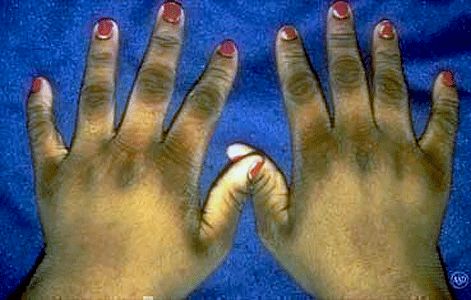
Acanthosis Nigricans
Dermatology
Acanthosis nigricans causes patches of skin to become darker, thicker and velvety to the touch. It appears most often in body folds — the neck, armpits and groin. It is usually a sign of something else going on in the body, most commonly insulin resistance or prediabetes, so finding it is often the first step toward diagnosing another condition. What is causing my acanthosis nigricans, and is anything making it worse? Which treatment do you recommend first, and how long before I should expect a change? What side effects should I watch for, and when should I contact you? Is this condition contagious, inherited, or linked to anything else in my health? What should I do differently if it flares or comes back? A board-certified dermatologist can confirm the diagnosis and tailor treatment to your skin. If your symptoms change quickly, spread, become painful, or come with a fever, seek care sooner. Source: https://www.aad.org/public/diseases/a-z/acanthosis-nigricans-overview
Acne
Dermatology
Acne develops when pores become blocked with oil and dead skin cells, allowing bacteria to grow. It produces whiteheads, blackheads, pimples and sometimes deeper, painful cysts. It is the most common skin condition in the United States and affects adults as well as teenagers. Effective treatment exists for every severity, and starting early reduces the chance of permanent scarring. What is causing my acne, and is anything making it worse? Which treatment do you recommend first, and how long before I should expect a change? What side effects should I watch for, and when should I contact you? Is this condition contagious, inherited, or linked to anything else in my health? What should I do differently if it flares or comes back? A board-certified dermatologist can confirm the diagnosis and tailor treatment to your skin. If your symptoms change quickly, spread, become painful, or come with a fever, seek care sooner. Source: https://www.aad.org/public/diseases/acne
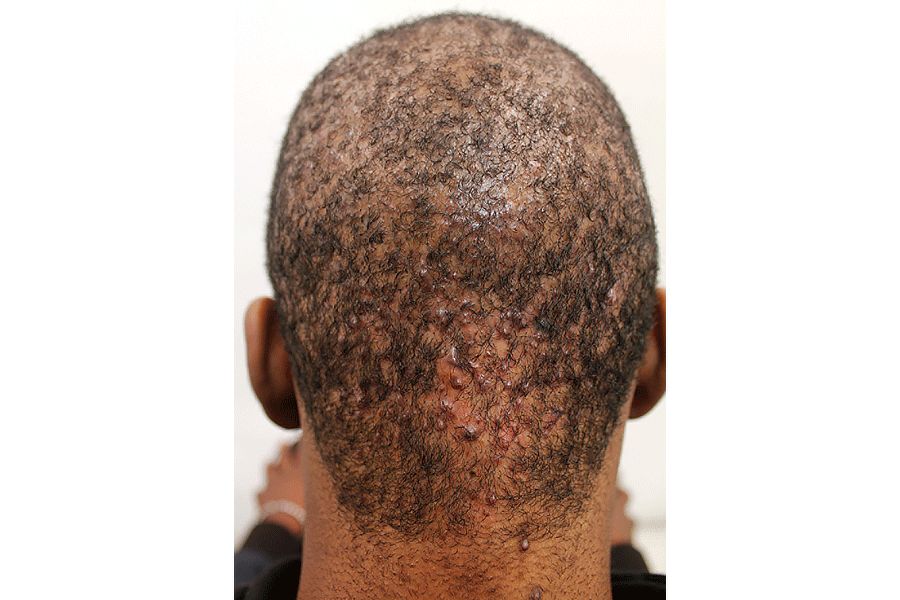
Acne Keloidalis Nuchae
Dermatology
Acne keloidalis nuchae causes firm, itchy bumps on the back of the neck and lower scalp that can look like razor bumps or acne. Over time the bumps may join together into raised scars and cause permanent hair loss in the area. It is more common in people with tightly coiled hair, and early treatment helps prevent scarring. What is causing my acne keloidalis nuchae, and is anything making it worse? Which treatment do you recommend first, and how long before I should expect a change? What side effects should I watch for, and when should I contact you? Is this condition contagious, inherited, or linked to anything else in my health? What should I do differently if it flares or comes back? A board-certified dermatologist can confirm the diagnosis and tailor treatment to your skin. If your symptoms change quickly, spread, become painful, or come with a fever, seek care sooner. Source: https://www.aad.org/public/diseases/a-z/acne-keloidalis-nuchae-overview
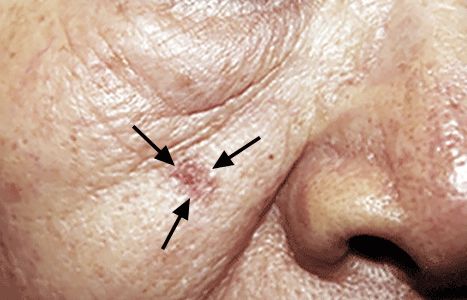
Actinic Keratosis
Dermatology
An actinic keratosis is a rough, scaly patch that forms on skin damaged by years of sun exposure. The patches are usually easier to feel than to see. They matter because a small number progress to squamous cell carcinoma, so dermatologists generally treat them rather than watch them. What is causing my actinic keratosis, and is anything making it worse? Which treatment do you recommend first, and how long before I should expect a change? What side effects should I watch for, and when should I contact you? Is this condition contagious, inherited, or linked to anything else in my health? What should I do differently if it flares or comes back? A board-certified dermatologist can confirm the diagnosis and tailor treatment to your skin. If your symptoms change quickly, spread, become painful, or come with a fever, seek care sooner. Source: https://www.aad.org/public/diseases/skin-cancer/actinic-keratosis-overview
Alopecia Areata
Dermatology
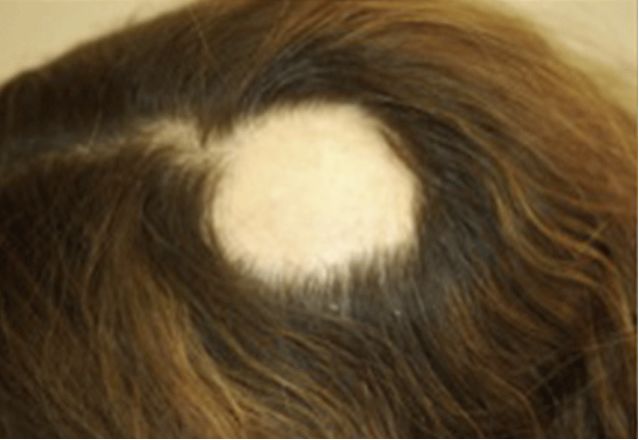
Alopecia areata is an autoimmune condition in which the immune system attacks hair follicles, causing hair to fall out in round, smooth patches. It can affect the scalp, beard, eyebrows or any hair-bearing area. Hair often regrows on its own, and several treatments can encourage regrowth. What is causing my alopecia areata, and is anything making it worse? Which treatment do you recommend first, and how long before I should expect a change? What side effects should I watch for, and when should I contact you? Is this condition contagious, inherited, or linked to anything else in my health? What should I do differently if it flares or comes back? A board-certified dermatologist can confirm the diagnosis and tailor treatment to your skin. If your symptoms change quickly, spread, become painful, or come with a fever, seek care sooner. Source: https://www.aad.org/public/diseases/hair-loss/types/alopecia
Alopecia Areata in Children
Dermatology
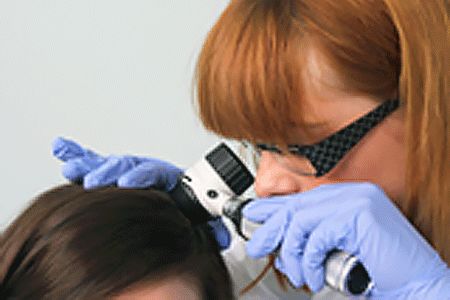
Alopecia areata in children causes sudden round patches of hair loss. It is not painful and children are otherwise well, but the visible change can be distressing socially. Hair often regrows, and treatment options exist for more extensive cases. What is causing my alopecia areata in children, and is anything making it worse? Which treatment do you recommend first, and how long before I should expect a change? What side effects should I watch for, and when should I contact you? Is this condition contagious, inherited, or linked to anything else in my health? What should I do differently if it flares or comes back? A board-certified dermatologist can confirm the diagnosis and tailor treatment to your skin. If your symptoms change quickly, spread, become painful, or come with a fever, seek care sooner. Source: https://www.aad.org/public/diseases/hair-loss/types/alopecia
Athlete's Foot
Dermatology
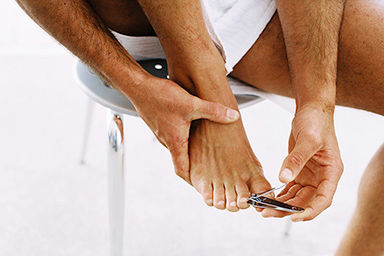
Athlete's foot is a fungal infection of the feet, usually starting between the toes. It causes itching, burning, peeling and cracked skin. It spreads easily in damp shared spaces such as changing rooms and pools, and it responds to antifungal treatment along with keeping feet dry. What is causing my athlete's foot, and is anything making it worse? Which treatment do you recommend first, and how long before I should expect a change? What side effects should I watch for, and when should I contact you? Is this condition contagious, inherited, or linked to anything else in my health? What should I do differently if it flares or comes back? A board-certified dermatologist can confirm the diagnosis and tailor treatment to your skin. If your symptoms change quickly, spread, become painful, or come with a fever, seek care sooner. Source: https://www.aad.org/public/diseases/a-z/athletes-foot-prevent
Atopic Dermatitis
Dermatology
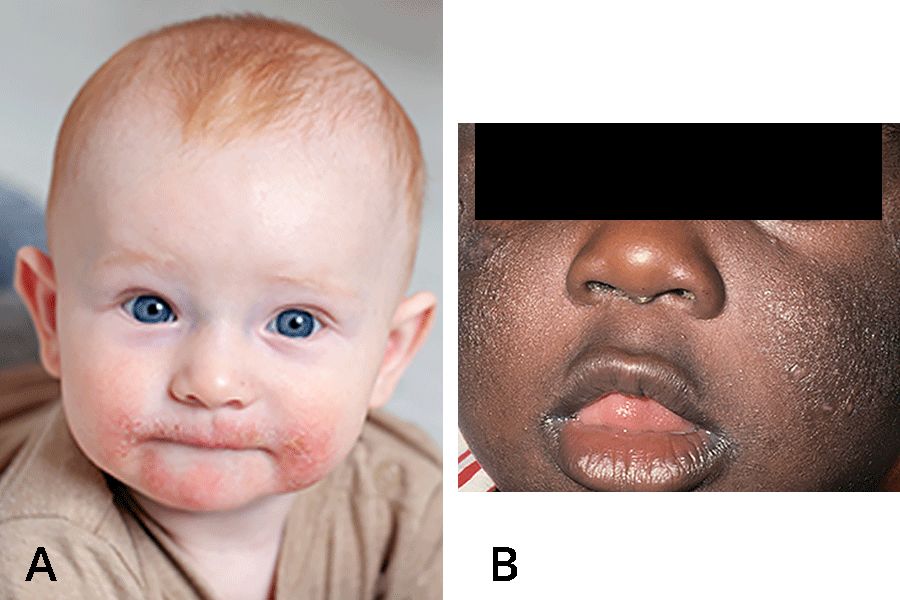
Atopic dermatitis is the most common form of eczema. It makes skin dry, intensely itchy and prone to inflamed, weeping or thickened patches. It often begins in childhood and tends to run in families alongside asthma and hay fever. Consistent moisturising and prescribed treatment control it well for most people. What is causing my atopic dermatitis, and is anything making it worse? Which treatment do you recommend first, and how long before I should expect a change? What side effects should I watch for, and when should I contact you? Is this condition contagious, inherited, or linked to anything else in my health? What should I do differently if it flares or comes back? A board-certified dermatologist can confirm the diagnosis and tailor treatment to your skin. If your symptoms change quickly, spread, become painful, or come with a fever, seek care sooner. Source: https://www.aad.org/public/diseases/eczema/types/atopic-dermatitis
Atypical Moles
Dermatology
Atypical moles, also called dysplastic nevi, are moles that look unusual under a microscope and often to the eye — larger, irregularly shaped or uneven in colour. Most never become cancerous, but having many of them raises melanoma risk, so regular skin checks matter. What is causing my atypical moles, and is anything making it worse? Which treatment do you recommend first, and how long before I should expect a change? What side effects should I watch for, and when should I contact you? Is this condition contagious, inherited, or linked to anything else in my health? What should I do differently if it flares or comes back? A board-certified dermatologist can confirm the diagnosis and tailor treatment to your skin. If your symptoms change quickly, spread, become painful, or come with a fever, seek care sooner. Source: https://www.aad.org/public/diseases/a-z/moles-overview
Basal Cell Carcinoma
Dermatology
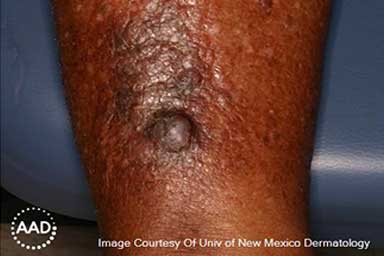
Basal cell carcinoma is the most common skin cancer. It usually appears on sun-exposed skin as a pearly bump, a flat scaly patch or a sore that will not heal. It rarely spreads to other parts of the body, but it grows locally and can cause damage if left untreated. Caught early, it is highly curable. What is causing my basal cell carcinoma, and is anything making it worse? Which treatment do you recommend first, and how long before I should expect a change? What side effects should I watch for, and when should I contact you? Is this condition contagious, inherited, or linked to anything else in my health? What should I do differently if it flares or comes back? A board-certified dermatologist can confirm the diagnosis and tailor treatment to your skin. If your symptoms change quickly, spread, become painful, or come with a fever, seek care sooner. Source: https://www.aad.org/public/diseases/skin-cancer/basal-cell-carcinoma
Bedbugs
Dermatology
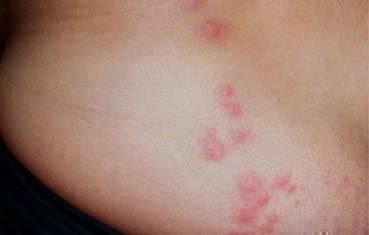
Bedbugs are small insects that feed on blood at night and hide in mattresses, furniture and luggage. Bites often appear in lines or clusters and can itch intensely. They are not known to spread disease, but eliminating an infestation usually requires professional pest control. What is causing my bedbugs, and is anything making it worse? Which treatment do you recommend first, and how long before I should expect a change? What side effects should I watch for, and when should I contact you? Is this condition contagious, inherited, or linked to anything else in my health? What should I do differently if it flares or comes back? A board-certified dermatologist can confirm the diagnosis and tailor treatment to your skin. If your symptoms change quickly, spread, become painful, or come with a fever, seek care sooner. Source: https://www.aad.org/public/diseases/a-z/bed-bugs-overview
Birthmarks
Dermatology
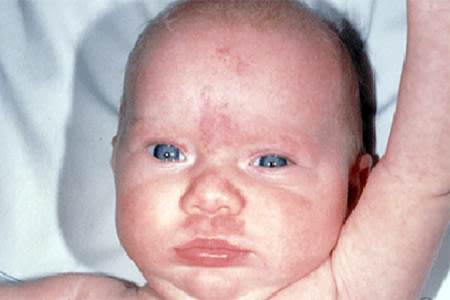
Birthmarks are coloured marks present at birth or appearing shortly after. Some are made of extra pigment and appear brown or grey; others are made of blood vessels and appear pink or red. Most are harmless, though a few types warrant evaluation because of their size, location or associations. What is causing my birthmarks, and is anything making it worse? Which treatment do you recommend first, and how long before I should expect a change? What side effects should I watch for, and when should I contact you? Is this condition contagious, inherited, or linked to anything else in my health? What should I do differently if it flares or comes back? A board-certified dermatologist can confirm the diagnosis and tailor treatment to your skin. If your symptoms change quickly, spread, become painful, or come with a fever, seek care sooner. Source: https://www.aad.org/public/diseases/a-z/birthmarks-overview
Bullous Pemphigoid
Dermatology
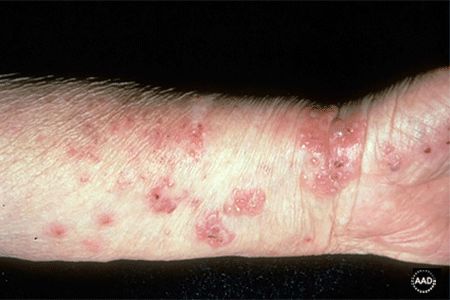
Bullous pemphigoid is an autoimmune condition that causes large, tense, fluid-filled blisters, usually on the lower abdomen, thighs and arms. It most often affects older adults and is frequently preceded by weeks of itching. Treatment controls the blistering and the itch. What is causing my bullous pemphigoid, and is anything making it worse? Which treatment do you recommend first, and how long before I should expect a change? What side effects should I watch for, and when should I contact you? Is this condition contagious, inherited, or linked to anything else in my health? What should I do differently if it flares or comes back? A board-certified dermatologist can confirm the diagnosis and tailor treatment to your skin. If your symptoms change quickly, spread, become painful, or come with a fever, seek care sooner. Source: https://www.aad.org/public/diseases/a-z/bullous-pemphigoid-overview

Calciphylaxis
Dermatology
Calciphylaxis is a rare, serious condition in which calcium builds up in small blood vessels of the skin and fat, cutting off blood supply. It causes extremely painful sores that heal poorly. It occurs mainly in people with advanced kidney disease and requires urgent, coordinated specialist care. What is causing my calciphylaxis, and is anything making it worse? Which treatment do you recommend first, and how long before I should expect a change? What side effects should I watch for, and when should I contact you? Is this condition contagious, inherited, or linked to anything else in my health? What should I do differently if it flares or comes back? A board-certified dermatologist can confirm the diagnosis and tailor treatment to your skin. If your symptoms change quickly, spread, become painful, or come with a fever, seek care sooner. Source: https://www.aad.org/public/diseases/a-z

Carcinoid Syndrome
Dermatology
Carcinoid syndrome occurs when a neuroendocrine tumour releases hormones into the bloodstream. Skin signs include sudden flushing of the face and neck, sometimes with diarrhoea and wheezing. Recognising the skin sign can lead to diagnosis of the underlying tumour. What is causing my carcinoid syndrome, and is anything making it worse? Which treatment do you recommend first, and how long before I should expect a change? What side effects should I watch for, and when should I contact you? Is this condition contagious, inherited, or linked to anything else in my health? What should I do differently if it flares or comes back? A board-certified dermatologist can confirm the diagnosis and tailor treatment to your skin. If your symptoms change quickly, spread, become painful, or come with a fever, seek care sooner. Source: https://www.aad.org/public/diseases/a-z
Cellulitis
Dermatology
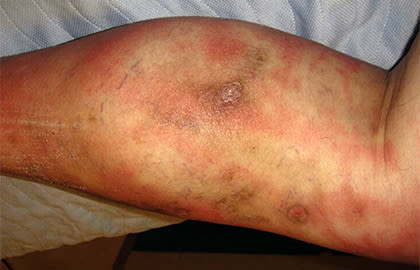
Cellulitis is a bacterial infection of the deeper layers of skin. The affected area becomes red, swollen, warm and tender, and it can spread quickly. It often follows a cut, bite or crack in the skin. It needs prompt antibiotics, and spreading redness or fever means urgent care. What is causing my cellulitis, and is anything making it worse? Which treatment do you recommend first, and how long before I should expect a change? What side effects should I watch for, and when should I contact you? Is this condition contagious, inherited, or linked to anything else in my health? What should I do differently if it flares or comes back? A board-certified dermatologist can confirm the diagnosis and tailor treatment to your skin. If your symptoms change quickly, spread, become painful, or come with a fever, seek care sooner. Source: https://www.aad.org/public/diseases/a-z/cellulitis-overview

Chickenpox
Dermatology
Chickenpox is a highly contagious viral infection that causes an itchy rash of small blisters, along with fever and tiredness. It is usually mild in healthy children but can be serious in adults, newborns, pregnant women and people with weakened immunity. Vaccination prevents most cases. What is causing my chickenpox, and is anything making it worse? Which treatment do you recommend first, and how long before I should expect a change? What side effects should I watch for, and when should I contact you? Is this condition contagious, inherited, or linked to anything else in my health? What should I do differently if it flares or comes back? A board-certified dermatologist can confirm the diagnosis and tailor treatment to your skin. If your symptoms change quickly, spread, become painful, or come with a fever, seek care sooner. Source: https://www.aad.org/public/everyday-care/itchy-skin/rash/chicken-pox
Cold Urticaria
Dermatology
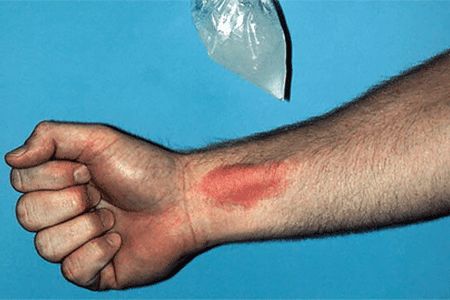
Cold urticaria causes hives and swelling in response to cold — cold air, cold water or even a cold drink. Reactions to whole-body cold exposure, such as swimming, can be severe. People affected are usually advised to avoid sudden cold immersion. What is causing my cold urticaria, and is anything making it worse? Which treatment do you recommend first, and how long before I should expect a change? What side effects should I watch for, and when should I contact you? Is this condition contagious, inherited, or linked to anything else in my health? What should I do differently if it flares or comes back? A board-certified dermatologist can confirm the diagnosis and tailor treatment to your skin. If your symptoms change quickly, spread, become painful, or come with a fever, seek care sooner. Source: https://www.aad.org/public/diseases/a-z/hives-cold-urticaria
Contact Dermatitis
Dermatology
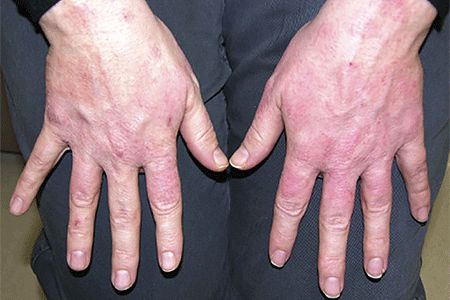
Contact dermatitis is a rash caused by something touching the skin — either an irritant such as a harsh cleaner, or an allergen such as nickel or fragrance. It produces redness, itching and sometimes blisters in the area of contact. Identifying and avoiding the trigger is the main treatment. What is causing my contact dermatitis, and is anything making it worse? Which treatment do you recommend first, and how long before I should expect a change? What side effects should I watch for, and when should I contact you? Is this condition contagious, inherited, or linked to anything else in my health? What should I do differently if it flares or comes back? A board-certified dermatologist can confirm the diagnosis and tailor treatment to your skin. If your symptoms change quickly, spread, become painful, or come with a fever, seek care sooner. Source: https://www.aad.org/public/diseases/eczema/types/contact-dermatitis
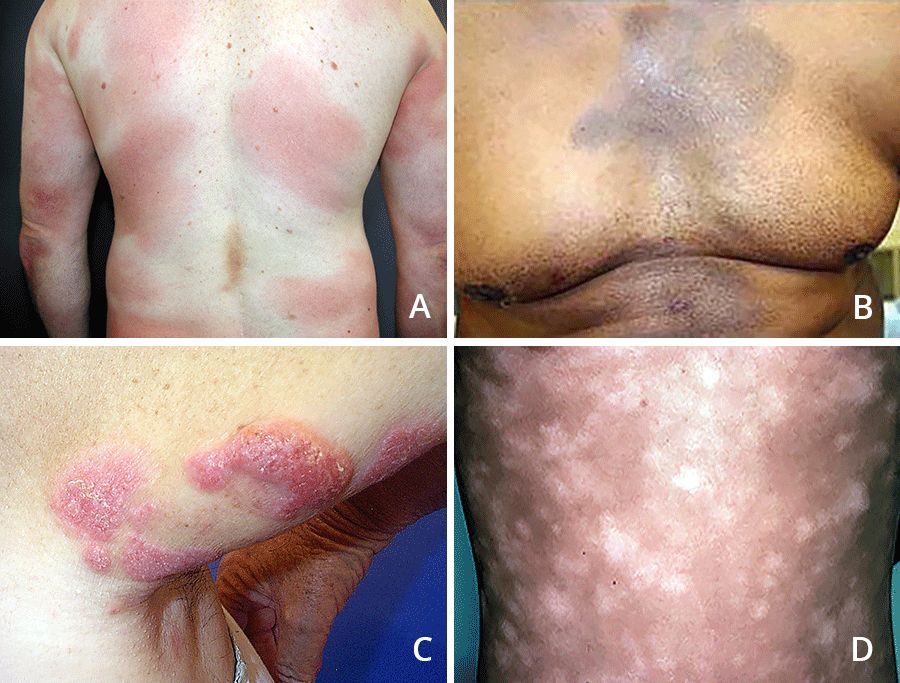
Cutaneous T-Cell Lymphoma
Dermatology
Cutaneous T-cell lymphoma is a cancer of white blood cells that shows up in the skin. Early on it can look like eczema or psoriasis, with scaly, itchy patches that persist despite treatment. Because it mimics common rashes, diagnosis often takes time and usually requires a skin biopsy. What is causing my cutaneous t-cell lymphoma, and is anything making it worse? Which treatment do you recommend first, and how long before I should expect a change? What side effects should I watch for, and when should I contact you? Is this condition contagious, inherited, or linked to anything else in my health? What should I do differently if it flares or comes back? A board-certified dermatologist can confirm the diagnosis and tailor treatment to your skin. If your symptoms change quickly, spread, become painful, or come with a fever, seek care sooner. Source: https://www.aad.org/public/diseases/a-z/ctcl-overview