
Medical Associations
Featured Medical Associations
All Medical Associations

Academy of Nutrition and Dietetics
Medical Associations
The Academy of Nutrition and Dietetics is the world's largest organization of nutrition and dietetics practitioners founded in Cleveland, Ohio, in 1917, by a visionary group of women dedicated to helping the government conserve food and improve the public's health and nutrition during World War I. Today, the Academy represents more than 112,000 credentialed practitioners' registered dietitian nutritionists, nutrition and dietetics technicians, registered, and other food and nutrition professionals holding undergraduate and advanced degrees in nutrition and dietetics, and students — and is committed to improving health and advancing the profession of nutrition and dietetics through research, education and advocacy. Members of the Academy play a key role in shaping the public's food choices, thereby improving its nutritional status, and in treating persons with illnesses or injuries. Members offer preventive and medical nutrition therapy services in a variety of settings. Nutrition and dietetics practitioners work in health care systems, home health care, foodservice, business, research and educational organizations, as well as in private practice. As vital members of medical teams in hospitals, long-term care facilities and health maintenance organizations, they provide medical nutrition therapy using specific nutrition services to treat chronic conditions, illnesses or injuries. Community-based nutrition and dietetics practitioners provide health promotion, disease prevention and wellness services. As a leader in food and nutrition issues, the Academy provides expert testimony at hearings, lobbies Congress and other governmental bodies, comments on proposed federal and state regulations, and develops position statements on critical food and nutrition issues. Academy Vision and Mission The Academy is committed to improving health and advancing the profession of nutrition and dietetics through research, education and advocacy, a message that is reflected in its mission and vision statements. The Academy is committed to improving health and advancing the profession of nutrition and dietetics through research, education and advocacy, a message that is reflected in its mission and vision statements. Mission and Vision Statements Academy History Annual Reports What We Do Who We Are If you are thinking about a career in nutrition and dietetics, joining the Academy of Nutrition and Dietetic gives you full access to our online database of internships and job postings. Dietetic Careers Career Changer DPD Graduates High School Students International Students Source: https://www.eatrightpro.org/

Adult Congenital Heart Association
Medical Associations
The mission of the Adult Congenital Heart Association is to improve and extend the lives of the millions born with heart defects through education, advocacy and research. Founded in 1998, the Adult Congenital Heart Association is an organization begun by and dedicated to supporting individuals and families living with congenital heart disease and advancing the care and treatment available to our community. We do this through a wide and growing range of programs, services and activities. These include our National and Regional Conferences, accreditation program, educational materials, website, outreach and advocacy efforts, research program, and events to raise money and increase awareness. We are committed to promoting excellence for every adult CHD patient by increasing access to the highest level of care and developing standards to allow patients and families to identify physicians and facilities providing that care. ACHA thanks the patients, family members, health professionals and researchers who commit their time, resources, skills and efforts to our cause. We especially acknowledge the contributions of our Board of Directors and Medical Advisory Board. Read more in ACHA's one page overview, click here. Source: https://www.achaheart.org/
Aging Mind Foundation
Medical Associations
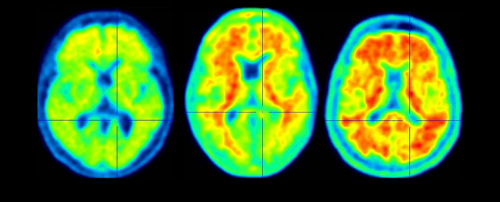
The Aging Mind Foundation raises money to fund scientific research that seeks the causes of Alzheimer’s disease and other types of dementia. Founders: Laree Hulshoff & Bill Booziotis Both Laree Hulshoff and Bill Booziotis watched close friends suffer and ultimately succumb to the ravages of Alzheimer’s disease. They saw firsthand the way this incredibly cruel disease takes a toll on caretakers and families. In 2013 Laree and Bill came together to fundraise for the Center for Vital Longevity (CVL) at UT Dallas, a Dallas-based research center where scientists study the cognitive neuroscience of aging. The result of Laree and Bill’s efforts was an incredible fundraiser that honored Dallas’ beloved Bob Wilson , father of Luke, Owen and Andrew Wilson. While working on this event, Laree learned how little money is given to Alzheimer’s research in comparison to other deadly diseases. Many of the top ten deadly diseases, like cancer and HIV, are on the decline, but the negative impact of Alzheimer’s is only growing. As an active philanthropist, Laree was motivated. She became extremely passionate about raising money to fund research that will ultimately lead to the cause and cure for the dementias and Alzheimer’s disease and so the Aging Mind Foundation was created. Since inception, the Aging Mind Foundation has raised over $4.8 million to fund high-quality, medical, scientific dementia and Alzheimer’s research . In 2014, the Dallas Foundation agreed to be the fiscal sponsor of the Aging Mind Foundation, a component fund of the Dallas Fund, 501(c) (3) publicly supported charity, Federal Tax ID 75-2890371. $517,500 The research study entitled, Developing Human Cellular Models of Aging and Alzheimer’s Disease, led by Dr. Bruce Yankner, Professor of Genetics and Neurology at Harvard Medical School, Director of the Harvard Neurodegeneration Training Program, and Co-Director of the Paul F. Glenn Center for Biology of Aging. Dr. Yankner has received several awards including the Zenith Award from the Alzheimer’s Association, the Nathan W. Shock award from NIA, and the NIH Director’s Pioneer Award and Transformative Research Award Investigate a new molecular pathway using human brain cell models which will focus on understanding the earliest changes in the aging brain that lead to Alzheimer’s disease, as well as new preventative and therapeutic strategies $584,622 The research study entitled, In vivo assessment of neuroimmune response to AD pathology and neurodegeneration , led by Dr. Victor L. Villemagne, recognized as one of “The World’s Most Influential Scientific Mind” based on his citations ranking in the top 1% globally in the field of Neuroscience and currently ranked #19 in the world among Alzheimer’s disease experts (2022) Ascertain the association of astrogliosis with Alzheimer’s disease pathology, cerebrovascular disease, and neuro degeneration, which will provide critical knowledge for the design of future preventative strategies for Alzheimer’s disease $296,215 The research study entitled, Circulating Inflammatory Factors in Early Stage Dementia , led by Dr. Lynn Bekris, co-director of the Cleveland Clinic Lou Ruvo Center for Brain Health Aging and Neurodegeneration Biobank and Cleveland Alzheimer’s Disease Research Center Biomarker Core Director Identify and define key inflammatory factors that are active in the early stages of dementia $500,000 The research study entitled, Alzheimer’s-related endosomal dysfunction and CSF tau , led by Dr. Scott Small, Director of the National Institute of Aging Alzheimer’s Disease Research Center (ADRC) at Columbia University Investigate the cause of cerebro-spinal fluid elevation of the protein tau in Alzheimer Disease and to further research on the trafficking hypothesis as the cause of Alzheimer’s disease $600,000 The research study entitled, High Fidelity Alzheimer’s Disease Models for Pathophysiological Investigation and Therapeutic Development , led by Dr. Stephen M. Strittmatter Director of Yale University School of Medicine’s Cellular Neuroscience, Neurodegeneration and Repair Program Develop therapeutic methods to protect synapses, the specialized connections between nerve cells, from Amyloid-beta triggered degeneration. Success will rescue the brain’s neural network from Alzheimer-associated damage without a need to remove or reduce Amyloid itself $700,000 The research study entitled, Presymptomatic Diagnosis of Alzheimer’s Disease and Other Tauopathies , led by Dr. Marc Diamond, Director of the Center for Alzheimer’s, and Neurodegenerative Diseases Identify molecular mechanisms and therapeutic targets that play a key role in the pathogenesis of Alzheimer’s disease. The research also seeks to develop new therapies and diagnostics for Alzheimer’s that will allow diagnosis and treatment in people before the onset of cognitive problems $398,757 The research study entitled, Early Onset Alzheimer’s Disease Genomic Study , led by Dr. Claudia Padilla and the research study entitled Pilot study of Triheptanoin in patients with mild impairment, led by Dr. Terry Bottiglieri, Center Director for Research, Dr. Claudia Padilla, neurologist, and Dr. Cindy Marshall, Director of the Baylor Neuroscience Center’s AT&T Memory Center Conduct a gene sequencing study on “outlier” Alzheimer’s patients, so that the disease can be predicted because of a known genetic mutation. The research seeks to ascertain differences in metabolites between the normal brain and an Alzheimer’s disease brain to help identify affected pathways and lead to the possible development of targeted therapies VIEW DR. BOTTIGLIERI’S RESEARCH (PDF) › $220,000 The research study led by Dr. Namrata Singh and by Dr. Das, part of The University of Texas at Dallas’ School of Behavioral and Brain Sciences. Explore cognitive behavior and other biomarkers found in early mild cognitive impairment by using experimental modalities $208,950 The research study led by Dr. Sara Festini, specializing in cognitive psychology and cognitive neuroscience and Dr. Koen, post-doctoral scientist, and Dr. Michael Rugg, Distinguished Chair in Behavioral and Brain Science and Director of Center for Vital Longevity, University of Texas at Dallas Support research to further advancements in the field of cognitive neuroscience of aging which focuses on cognition and brain function in busy people versus people who are less active and more relaxed VIEW DR. FESTINI’S RESEARCH (PDF) › Laree Hulshoff, Founder Bill Booziotis, Founder, 1935–2016 Dan Owen, President John Clutts, Vice President Derek Blount, Treasurer Shannon Bolton Greg Creed Brendon Fischer Carol Hatton Jan Jones Ben Lee Jo Marie Lilly Andy Meyercord Jonika Nix Carolyn DeVan Payne Stacy Phillippe Tom Shoaf John Waggoner Tia Wynne Get the facts about Alzheimer’s and dementia. DOWNLOAD OUR FACTS AND FIGURES SHEET Source: https://agingmindfoundation.org/

AllStripes - Rare Disease Research
Medical Associations
The name AllStripes Research was inspired by the symbol for the rare disease community, the zebra. When we come together and learn from each other’s experiences we can push for better treatments across all rare conditions. We are a Public Benefit Corporation co-founded in 2017 by CEO Nancy Yu and Onno Faber, a rare disease patient deeply frustrated by the drug development process. As the leading research platform dedicated to rare diseases, AllStripes makes it easy for patients to contribute to new treatment research from home. We do the work to collect and analyze de-identified medical records to help power faster, better drug development. We partner with rare disease patient advocacy organizations and key opinion leaders to build our programs. Our expert researchers produce original research insights and publications, as well as partner with academic institutions and pharmaceutical companies to make progress towards new treatments. “We are a mission-driven team that doesn’t back down from a challenge. I’m inspired every day to fundamentally change how rare treatments are developed—alongside some of the most courageous people I know.” Nancy Yu, Co-founder & CEO SAN FRANCISCO (Aug. 24, 2021) – AllStripes (“Company”), a healthcare technology company dedicated to unlocking treatments for people affected by rare diseases, today announced the Company completed a $50 million Series B financing round. The financing was led by Lux Capital, a current investor, joined by JAZZ Venture Partners, Spark Capital, Medidata Solutions (a Dassault Systèmes company), McKesson Ventures, and Maveron, along with angel investors including Arif Nathoo, CEO of Komodo Health, and Leila Zegna, Director of the Kabuki Syndrome Foundation. The funding will support launching 100 new rare disease research programs while expanding global operational footprint, technology and data automation enhancements to improve research insights, further developing the platform capabilities to enhance the user experience and strengthen the life sciences offerings, and continuing to invest in growing the company’s team to support creating the playbook for rare disease research. “Beginning research on a rare condition can feel like being dropped into a new world without a map and we are on a mission to change that with data,” said Nancy Yu, CEO and Co-founder, AllStripes. “We’re proud that so many of our current investors have recognized the progress we’ve made and are continuing to support our vision to transform rare disease research. This investment will allow us to better support the rare disease community, where each person’s experience is essential to understanding disease progression - ultimately leading to new treatments for rare disease patients around the globe.” “AllStripes has a successful track record of bringing together patient organizations, families, experts and life science partners to advance research,” said Adam Goulburn, Partner, Lux Capital and AllStripes board member. “If we are going to improve rare disease treatments, these groups must work together. We believe in AllStripes’ vision to transform rare disease research and empower patients. If the past year showed us anything, it is that patients want a voice when it comes to their health, and their engagement with research is invaluable.” “There are more than 7,000 rare diseases and only 5 percent have treatments. By working with AllStripes, we hope to improve the number of treatments available by accelerating research for rare diseases,” said James M. Wilson, M.D., Ph.D., Rose H. Weiss Professor and Director, Orphan Disease Center; Director, Gene Therapy Program at the University of Pennsylvania; Professor in Departments of Medicine and Pediatrics, Perelman School of Medicine. AllStripes is currently partnering with more than 30 patient advocacy organizations across its 40 conditions, supporting more than 3,000 users to date. As a public benefit corporation (PBC), AllStripes is advocating for the importance of real-world evidence in development of treatments and is continuing to build tools that make research more inclusive for the global rare disease community. The Company is committed to transparent data collection and sharing data across the life sciences continuum to advance clinical research. AllStripes collaborates with various biopharmaceutical companies and other entities on real-world evidence studies, including: HemoShear Therapeutics, Inc., Orphan Disease Center at the University of Pennsylvania, Taysha Gene Therapies, Inc., UCB Biopharma SRL, and Novartis Pharma AG. These joint research programs aim to enhance clinical understanding of rare disease treatment research. AllStripes and the University of Pennsylvania’s Orphan Disease Center are focused on clinical understanding of Lesch-Nyhan disease and Crigler Najjar syndrome type 1, with the goal of facilitating therapeutic discovery for both conditions. One of AllStripes’ most recent partnerships with HemoShear Therapeutics aims to gather real-world evidence on patients’ medical experience with serious metabolic diseases through the Journey to Understand MMA and PA (JUMP) study. To learn more about AllStripes, its partners and its commitment to the rare disease community, please visit allstripes.com . About AllStripes AllStripes is a healthcare technology company dedicated to unlocking new treatments for people with rare diseases. AllStripes has developed a technology platform that generates regulatory-ready evidence to accelerate rare disease research and drug development, as well as a patient application that empowers patients and families to securely participate in treatment research online and benefit from their own medical data. AllStripes was founded by CEO Nancy Yu and technology developer Onno Faber, following his diagnosis and journey with the rare disease neurofibromatosis type 2. The company is backed by Lux Capital, JAZZ Venture Partners, Spark Capital, Medidata Solutions, McKesson Ventures, Maveron, and a number of angel investors. For more information, visit www.allstripes.com . About Lux Capital Lux Capital invests in emerging science and technology ventures at the outermost edges of what is possible. We partner with iconoclastic inventors challenging the status quo and the laws of nature to bring their futuristic ideas to life. Over the past two decades, Lux has expanded from its New York City roots to Silicon Valley, and built a $4 billion AUM firm of more than 30 full-time professionals, with the versatility to invest at any stage. JAZZ Venture Partners JAZZ Venture Partners invests in companies that extend the boundaries of human performance — improving how we live, learn, work, play, and experience the world. JAZZ seeks breakthroughs at the frontiers of technology and science, such as advances in artificial intelligence, neurobiology, augmented reality, and closed-loop human-computer systems. JAZZ portfolio companies are unlocking human potential in health, mind-body wellness, accelerated learning and training, sports, entertainment, and the enterprise. More information about JAZZ can be found at www.jazzvp.com . Source: https://www.allstripes.com/

Alpha Phi Foundation
Medical Associations
Thanks to the generosity of alumnae and donors, Alpha Phi Foundation supports Alpha Phi Fraternity, its members, and the communities in which they reside in the pursuit of advancing women’s lives now and into the future. Advancing women’s lives through the power of philanthropy In 1956, Alpha Phi became one of the first women’s fraternities to establish a Foundation. It was created as a trust agreement to award scholarships and promote cardiac aid. Today, the original priorities hold true in our five funding priorities : Supporting innovative leadership training and programming led by Alpha Phi Fraternity Awarding scholarships to undergraduate and graduate Alpha Phis Investing in the advancement of women’s heart health Helping members in need through the Forget Me Not Grant Fund Celebrating the forward-thinking women that shaped Alpha Phi by supporting the Fraternity’s preservation of our rich heritage As a preeminent philanthropic organization, Alpha Phi Foundation is recognized for the strength of our endowment and for innovation in cultivating and sustaining donor participation. We strive to be the philanthropy of choice among our members, with every Alpha Phi supporting the Foundation. Alpha Phi Foundation is committed to its members during every stage of life. We are proud to share our 2024 – 2027 Strategic Plan to provide a lens into the operations of the Foundation, how donor dollars are spent, and how we steward donors through the giving experience. Our mission of advancing women’s lives through the power of philanthropy is put into action through our five vital funding priorities. Through the generosity of donors, Alpha Phis are provided the opportunity and access to transformative leadership experiences. They receive the life-changing renewal and encouragement of an academic scholarship or Forget Me Not Grant . With your help, Alpha Phis invest in the advancement of women’s cardiac research and care and preserve the rich heritage of Alpha Phi Fraternity. Select a program listed to the left to learn more about what a gift to Alpha Phi Foundation can do for our chapters, members, and communities around the world. Alpha Phi Foundation is governed by the Board of Directors, a group of hardworking, knowledgeable volunteers who guide us as we strive to fulfill the mission of Alpha Phi Foundation to the fullest. Rebecca Andrew Zanatta (Beta Rho-Washington State), Chair Rebecca brings more than 24 years of experience building and stewarding strategic donor partnerships and has worked with over 150+ clients in her nearly 13-year consulting career. She has served in high-level development roles for organizations like the Pacific Science Center and the Washington State University Foundation. She has served in many volunteer roles with the Fraternity and Foundation, including Recruitment Advisor, Extension Team Lead, International Governor, Strategic Planning Committee member, International Executive Board, and current Foundation Board Chair. Janelle Del Carlo (Beta Delta-UCLA), Vice Chair - Development Janelle is Vice President of Development of the National MS Society. She has nearly 30 years of experience in fundraising and development, is a past Educational Leadership Consultant, and former member of Alpha Phi’s Committee on Leadership. Janelle joined the Foundation Board in 2020. Jackee Schools (Eta Lambda - George Mason), Vice Chair - Funding Priorities Jackee serves as the Executive Director of the Bureau of Diplomatic Security with the US Department of State. Jackee also served as both the IEB President of Alpha Phi and an ex-officio member of the Alpha Phi Foundation Board of Directors from 2019 – 2022 and has held many different leadership roles within Alpha Phi over the past two decades. Jackee is currently a member of the Foundation Awards Advisory Group. Claire Costin (Omega-Texas), Treasurer Claire is an Assistant Professor of Accounting at the University of Portland Pamplin School of Business and received her Ph.D. with a dissertation on the impact of social capital on earnings management. Her research focus is the intersection of social justice issues and accounting. Before becoming an academic, Claire worked in practice as a non-profit auditor and is a licensed CPA in the state of Texas. She is also a member of the Association of Certified Fraud Examiners (ACFE). Claire is a member of UP’s inaugural Inclusive Teacher Scholars Consortium; she serves as a Confidential Advocate for survivors of interpersonal violence; and she was honored as the recipient of UP’s “Difference Maker” award in 2024. She is the Tau Chapter Advisor and has served in several other volunteer roles for the Fraternity, including Collegiate Chapter Administrator, ELI and Fellows facilitator, member of the Finance Standing Committee, and member of the Alumnae Task Force on Diversity, Equity, Inclusion, and Access. Shana Goss Smith (Chi-Montana), Secretary Shana is the Vice President of Strategic Partnerships at Upper Crust Food Service. A former International Executive Board member, Shana brings nearly 30 years of volunteer experience in Alpha Phi and a wealth of knowledge in financial and organizational management, including her current roles as Beta Mu HCB President, 1872 Properties Board Member, and Chair of the Heart to Heart Committee. She is also a member of the Foundation’s campaign steering committee. Shana joined the Board in 2020. Barbara Chappell Tingley (Beta Pi-USC), Assistant Treasurer Barbara retired after a successful, 25+ year career as a Senior Vice President, Wealth Management executive. She brings six years of experience on the Fraternity’s Finance and Audit Standing Committee (FSC) and over 30 years’ experience serving on the Board of Trustees/Directors for two arts organizations, an educational foundation, and a United Way agency. Barbara joined the Foundation Board in 2022. Janis Coughlin-Piester (Theta Kappa-Rochester), Assistant Secretary Janis is a member of the United States Senior Executive Service with more than 25 years in the government leading business operations for various large and small Federal agencies. Janis brings years of volunteer experience in Alpha Phi at the local through International levels and a wealth of knowledge in leadership, management, and financial operations. She served as an Ambassador for the Foundation’s Leading with Heart Campaign and joined the Foundation Board in 2022. Susan McNeice (Epsilon Nu-Delaware), Director Susan’s professional background includes decades of experience as an executive and consultant in the telecommunications, IT, and marketing space, serving Commercial and Government markets worldwide. Her volunteer experience with Alpha Phi is extensive, serving on the Fraternity International Executive Board, Foundation Campaign Steering Committee, and numerous other Fraternity and Foundation committees. Susan joined the Foundation Board in 2018. Sheryl Barden (Delta Tau - LSU, Gamma Rho - Penn State), Director Sheryl has served as the President & CEO of Aviation Personnel International since 2001. Sheryl has also served in multiple nonprofit leadership roles including serving as President of the International Women’s Forum of Northern California, Chair and member of the Board of Directors of the Advisory Council for National Business Aviation Association, and various fundraising roles for the Junior League of San Francisco. Dara Goldsmith (Epsilon Upsilon - CSU Northridge), Director Dara is an attorney who has focused her legal endeavors in the areas of Estate and Business Planning/Litigation for more than 30 years. She is licensed to practice law in Nevada, California, Arizona, and Hawaii. Dara served on the Boards of Directors and was the Former Chairperson of the Nevada Law Foundation, Nevada Community Foundation, and Clark County Bar Association. She also served on the Board of Governors of the State Bar of Nevada for eight years. Dara is a shareholder in the largest and oldest 100% female owned law firm in the State of Nevada. Jennifer Johnston (Zeta Gamma - Santa Clara), Director Jennifer is Senior Vice President and Director of Municipal Bond Research at Franklin Templeton, with her career beginning there more than 30 years ago. Jennifer has served as President of the Junior League of San Francisco, compiling 27 years of nonprofit fundraising and leadership experience within the organization. Jennifer has also been on the Board of Directors for the College of Arts & Sciences Leadership at Santa Clara University for the past eight years, including one year as Board Chair. Kate Boyle Halfon (Eta Delta-CSU East Bay), Ex Officio & Alpha Phi Fraternity International President Alpha Phi helped mold and shape me into the leader I am today. Most of my strategies for leadership I have learned through excellent training both as a collegiate and alumnae member and so that is why I continue to give back. I want other women to feel empowered and to be strong effective leaders in their communities. I am excited about all the opportunities we have to provide our members with a great experience with amazing programming. I hope that the strong partnership with the Foundation and Fraternity continues and that we can find new and creative ways we can collaborate together to benefit even more members. Meet the people behind the programs, scholarships, grants, and fundraising initiatives that continue to pursue the mission of Alpha Phi Foundation. Linda Schnetzer (Beta Omicron-Bowling Green), Executive Director In Alpha Phi, I have found true role models and friends. Since the beginning, our membership has been comprised of truly inspirational leaders whose bold ideas have impacted thousands of women and given them the space and support they need to fulfill their potential. Now, Leading With Heart gives us the opportunity to give to our beloved organization for the next 150 years. Email Linda Mary Kegl Controller I am grateful to be a part of the Alpha Phi Foundation team. Working with people who support initiatives that further women’s heart health and leadership among the next generation is truly inspiring. It is fulfilling to be a part of changing lives for the better. Email Mary Meghan Bradley (Zeta Alpha-Eastern Illinois), Director of Operations & Events The friendships I formed through Alpha Phi have shaped the person I am today, and I want other women to have the same rewarding experience. Serving as my chapter’s event chair, you could say Alpha Phi laid the groundwork for my career and still serves as my strongest network. I choose to lead with heart because women’s heart health education is something near and dear to me, and I am passionate about driving that research forward through the Foundation. Email Meghan Sharyn Taylor (Theta Nu-Appalachian State), Major Gifts Officer \I am proud to lead with heart because I truly would not be who I am today without Alpha Phi. Programs funded by Alpha Phi Foundation have allowed me to further develop leadership skills, give back to my community, and build relationships with strong women who have served as mentors, friends, and colleagues. I am inspired by the meaningful initiatives to which Alpha Phi Foundation contributes, and having experienced them first hand, I know what a lasting impact they will provide for generations to come. Email Sharyn Charlotte Farrar (Beta Mu-Alabama), Major Gifts Officer I am forever grateful for the friendships, community, life lessons, and professional development Alpha Phi has given me. I reflect on how fortunate I was to be taught the power of philanthropy and granted access to educational, philanthropic resources at such a young age. It is a gift and a privilege to give back to Alpha Phi! Leading with Heart allows us to continue to fund and expand programs that will continue to invest in and empower our members for the next 150 years! Email Charlotte Angela DiMuzio (Iota Alpha-Pepperdine), Director of Development From lifelong sisterhood to leadership opportunities (and more), it is my joy to serve and give back to the organization that gives us so much. Having been personally impacted by the loss of a loved one from heart disease, I choose to lead with heart and celebrate each day & milestone we reach. In our 150th year, I am proud to be an Alpha Phi, and support the Foundation’s commitment to improving heart health and the empowerment of future generations of leaders! Email Angela Katie Gates (Beta Upsilon - Oregon State), Marketing & Communications Manager I am so thrilled to be a part of the Alpha Phi Foundation and have the opportunity to give back to an organization that has given me so much. I strongly support Alpha Phi’s commitment to building women of impact through its focus on leadership programming, strategic partnerships, and collegiate scholarships. As a mother of three wonderful daughters, I cannot imagine a more worthwhile pursuit than continuing to empower a new generation of confident women to wholeheartedly believe in themselves and their abilities. Email Katie Ashley Welch (Theta Nu - Appalachian State University), Donor Engagement Manager In 2000, I joined Alpha Phi and my life changed forever. I love being a part of an organization that changes women’s lives and empowers them to succeed. My passion is to allow other women to experience what I have experienced through this wonderful organization. I choose to lead with heart because I believe in the advancement and development of women. I want to help women as they pursue their passion and make an impact on the world. I look forward to helping serve the foundation as we pursue initiatives that advance the lives of women. Email Ashley Abby Simon (Delta Eta- Adrian College), Chapter Engagement Manager Alpha Phi has brought me my most cherished friends and role models. From the moment I joined I was drawn to the Fraternity’s commitment to scholarship and leadership opportunities for its members. My sisters continue to inspire me to pursue excellence in all aspects of my life. I am truly humbled to contribute to Alpha Phi Foundation’s legacy of empowering women to become leaders in their communities and careers. This opportunity serves a constant reminder to always lead with heart in everything that I do. Email Abby Alex Goodman (Alpha Sigma Alpha Sorority), Grants & Scholarships Manager While creating awareness for women’s cardiac health, Alpha Phi Foundation fosters growth, sisterhood, and support among an incredible network of women. I am passionate about being part of this organization whose mission is to serve and empower women in order to further advance their lives in so many different ways. The Foundation is an amazing means to bettering the future of women everywhere, and I am proud to be leading with heart. Email Alex Sydnee Miller (Delta Epsilon – Iowa), Events & Projects Specialist I’m truly honored to be able to give back to an organization that has given me so many opportunities. Alpha Phi Foundation’s commitment to advancing the lives of women inspires me to always lead with heart. I’m proud to support an organization that advocates for women’s heart health and supports the next generation of Alpha Phi leaders. Email Sydnee [email protected] Alpha Phi Facebook Alpha Phi Instagram Alpha Phi LinkedIn Alpha Phi Pinterest Alpha Phi YouTube Alpha Phi Blogger Login to keep your information up-to-date Find a chapter to contact them directly Join Alpha Phi Philanthropy and Service Recommendations For Parents Housing Collegiate Experience Programs Leadership Opportunities For New Members For Graduating Members Scholarships Pay My Bill Alumnae Engagement Pay Your Alumnae Dues Alumnae Initiation Volunteer Attend an Event Recommendations About Who We Are History Our Leadership Executive Office Staff Careers Notable Alpha Phis Foundation Sisterhood from Heart to Mind Generosity News & Quarterly Magazine All News Quarterly Magazine History Submit News Events Founders’ Day Leadership Conference Training Events Shop Licensing and Vendors Chapter Supply Order Form Certificate Reorder Upgrade Your Badge Find a Chapter Join a Chapter Establish a Chapter Join an Alumnae Community Establish an Alumnae Community Affiliating with a Chapter Resources Alpha Phi Brand Sister Search For chapter emergencies, call our 24/7 hotline at (877)916.1872 Source: https://alphaphifoundation.org/

Alzheimer’s Foundation of America
Medical Associations
Alzheimer’s disease is a progressive brain disorder that impacts memory, thinking and language skills, and the ability to carry out the simplest tasks. Alzheimer’s disease is the most common cause of dementia. Dementia itself is not a disease, but a term used to describe symptoms such as loss of memory, loss of judgment and other intellectual functions. Alzheimer’s disease can cause dementia. More than 6.2 million Americans are currently living with Alzheimer’s disease. Although each individual is unique, experts have identified common warning signs of Alzheimer’s disease, including: Memory loss, especially of recent events, names, places and other new information Confusion about time and place Struggling to complete familiar tasks such as brushing one’s teeth Trouble finding appropriate words, for example in a sentence Difficulties in judging situations Changes in mood and personality Alzheimer’s Foundation of America follows the National Institutes of Health’s National Institute on Aging in describing the disease in three stages early (mild), middle (moderate) and late (severe). In this stage, people may: Forget words or misplace objects Forget something they just read Ask the same question over and over Have increasing trouble making plans or organizing Not remember names when meeting new people In this stage, people may have: Increased memory loss and confusion Problems recognizing family and friends Continuously repeating stories, favorite wants (e.g., foods, places, songs, etc.), or motions Decreased ability to perform complex tasks (e.g., planning dinner) or handle personal finances (e.g., paying bills) Lack of concern for hygiene and appearance Requiring assistance in choosing proper clothing to wear for day, season, or occasion In this stage, there is almost total memory loss. The individual may: Recognize faces but forget names Mistake a person for someone else Delusions—such as thinking he/she needs to go to work — may set in, even though he/she no longer has a job There is a strong need for holding something close for tactile stimulation, nurturing, companionship and comfort Basic abilities such as eating, walking, and sitting up fade during this period; the individual may no longer recognize when he/she is thirsty or hungry and will need help with all basic activities of daily living. It is important to note that Alzheimer’s disease is not a normal part of aging, and it is important to look for signs like these that might indicate Alzheimer’s disease versus basic forgetfulness or other conditions. With Alzheimer’s disease, these symptoms gradually increase and become more persistent. Getting a free virtual memory screening is a good way to detect potential memory issues. Click here to learn more . Dementia is a general term that describes a wide range of symptoms associated with a decline in memory or other thinking skills, including judgement, reasoning and complex motor skills. Though there are different types of dementia-related illnesses, Alzheimer’s disease is the most common in persons aged 65 and older, and accounts for 60 to 80 percent of cases. Other types of dementia include vascular dementia, Lewy Body dementia (LBD, an umbrella term that refers to both Parkinson’s disease dementia and dementia with Lewy bodies), frontotemporal dementia, and alcohol-induced dementia. Dementia-related illnesses, such as Alzheimer’s disease, are NOT part of normal aging. It is important to keep in mind that not all memory problems are a result of dementia. There are a number of other causes of memory issues, including vitamin deficiency, thyroid problems, urinary tract infections, medication side effects, stress, and depression. Many of these are readily treatable and, in some cases, curable. If you have noticed memory or personality changes, in yourself or someone you know, it’s important to speak with a healthcare professional. A comprehensive medical evaluation can help identify the cause of memory changes and point you in the right direction. Your healthcare provider may also refer you to a neurologist for more in-depth testing. Currently, there is no cure for Alzheimer’s disease; however, there are several medications, approved by the U.S. Food and Drug Administration (FDA) that can help slow the progression of the symptoms of the disease and prolong cognitive function. The following are some common warning signs and symptoms of dementia. Keep in mind that each individual is unique and may not exhibit all of these symptoms. Always consult a physician to discuss changes in memory and thinking abilities. Difficulty finding words Trouble completing complex mental tasks, for example tasks with multiple steps, balancing a checkbook, paying bills Confusion about time, place or people Misplacing familiar objects Personality changes, such as irritability or depression Loss of interest in important responsibilities Expressing false beliefs Changes in judgement/trouble making decisions The more you know about dementia and its warning signs, the better prepared you will be to recognize them in yourself or a loved one and to intervene early on. Early detection of memory problems can afford a person an opportunity to participate in vital care planning discussions, including legal, health and financial decisions. It can also afford a person the opportunity to participate in a clinical trial or take advantage of mediations that can help slow the progression of symptoms and maintain a positive quality of life. Getting a free virtual memory screening is a good way to detect potential memory issues. Click here to learn more . Have questions or need more information? Contact AFA’s Helpline at 866-232-8484 Trainings and educational programming for professionals who serve individuals with dementia and family care partners, offered live and on demand. Our signature 5½ hour professional training, which offers 5.5 CE credits, underscores the importance of building relationships in dementia care and provides trainees with critical knowledge and skills, conveyed in a convenient, modular format. Understanding Alzheimer's Alzheimer's Disease: Education Resources What Is Alzheimer's Disease? Understanding Dementia: About Dementia Dementia Warning Signs Mild Cognitive Impairment More: Clinical Research Trials Facts & Tips Find Help Our Services: AFA Helpline Virtual Helpline Assistant AFA Educating America Tour Long Island Resource Center Memory Screening: Screening Overview About Memory Screening Get a Free Screening Online Memory Test Screening Site Login Memory Screening (members only) Caregiver Support: Caregiver Resources Overview Caregiver Support Groups Creating a Dementia-Friendly Home Caregiving Tips & Facts Webinars Find An AFA Member Media: Media Center The AFA Teal Room Alzheimer’s TODAY Magazine Teal Times In the News Press Releases AFA Fireside Chat Get Involved Giving: Donate Create Your Own Fundraiser Find a Community Fundraiser Other Ways To Donate Youth Programs: AFA Teens AFA On Campus Teen Alzheimer’s Awareness Scholarship Events: Events Calendar AFA Educating America Tour AFA Fireside Chat AFA Family Fun Day Community Classes (NYC) Class Registration Professional Training & Membership Education & Professional Training: Overview Trainings & Educational Workshops AFA’s Online Academy Accreditation and Certification for Organizations Professional Certifications Membership & Grants: AFA’s Member Network Find An AFA Member Organization Grant Information Teen Alzheimer’s Awareness Scholarship What We Do: Mission, Values & History Our Research Projects Long Island Resource Center The People of AFA: Board of Directors Leadership Medical, Scientific & Memory Screening Advisory Board AFA Professional Leadership Council AFA’s Corporate Members More: Contact Us Careers The AFA Shop Source: https://alzfdn.org/

American Academy of Nursing
Medical Associations
The Academy serves the public and the nursing profession by advancing health policy through organizational excellence and effective nursing leadership. The Academy and its more than 2,900 members, known as Fellows, create and execute evidence-based and policy-related initiatives to advance health care. Academy Fellows are nursing's most accomplished leaders in education, management, practice, and research. Fellows include association executives; university presidents, chancellors, and deans; state and federal political appointees; hospital chief executives and vice presidents for nursing; nurse consultants; researchers; and entrepreneurs. Fellows have been recognized for their extraordinary nursing careers and are among the nation's most highly-educated citizens: more than 90% hold doctoral degrees and the rest have completed masters programs. Invitation to the fellowship represents more than recognition of one's accomplishments within the nursing profession. Academy Fellows also have a responsibility to contribute their time and energies to the Academy and to engage with other health leaders outside the Academy in transforming health systems by Enhancing the quality of health and nursing care, Promoting healthy aging and human development across the life continuum, Reducing health disparities and inequalities, Shaping healthy behaviors and environments, Integrating mental and physical health, and Strengthening the nursing and health delivery system, nationally and internationally. The Academy is governed by a 10-member board of directors , elected by the Fellows. Board members oversee the Academy's strategic planning and financial management. Fellows are encouraged to participate in one of the Academy's expert panels that correlate with their area of expertise. The Academy's annual policy conference, held each October/November, offers Fellows, stakeholders, and the public an opportunity to share ideas and help develop new strategies for nurses to drive the transformation of health care. Meetings during the conference also create opportunities for emerging nurse leaders to learn more about the Academy and its work, and to exchange ideas. Nursing Outlook , a bi-monthly journal, provides innovative ideas for nursing leaders through peer-reviewed articles and timely reports. Each issue examines current issues and trends in nursing practice, education and research, offering progressive solutions to the challenges facing the profession. The journal provides nursing educators, policy makers, administrators and practitioners with practical advice, new teaching methods and recruiting techniques, curriculum and health policy developments, and information on proposals that will affect the profession. Nursing Outlook is included in MEDLINE, CINAHL, and the Journal Citation Reports Social Science Edition. The sole corporate member of the American Academy of Nursing is the American Nurses Association (ANA). First approved by the 1964–66 ANA House of Delegates, the American Nurses Association by-laws were amended to call for an Academy of Nursing for the advancement of knowledge, education, and nursing practice. On April 24, 1973, thirty-six charter fellows held their first meeting. Then, fellows were elected to the governing council, and Rheba de Tornyay was elected as the inaugural president. Operating objectives included Advance new concepts in nursing and health; Identify and explore issues in health, in the professions, and in society as they affect and are affected by nurses and nursing; Examine the dynamics within nursing, the interrelationships among the segments within nursing, and examine the interaction among nurses as all these affect the development of the nursing profession; and Identify and propose resolutions to issues and problems confronting nursing and health, including alternative plans for implementation. Articles of incorporation were approved by the District of Columbia in December 1999 constituting the Academy as a nonprofit corporation qualifying the Academy as a section 501(c)3 corporation. In 2006, the Academy established a Washington, DC, office in keeping with its strategic goals and recognizing the pivotal role of public policy in reforming American health. Academy staff identifies key policy issues in which the Academy can mobilize its fellows, along with allied individuals and organizations, to support the Academy's policy agenda and affect change. In addition, the staff oversees outreach to lawmakers, the White House and relevant federal agencies, and to the media and other key audiences as the Academy strive to assure that nurses and their frontline knowledge are integrated into the quest for a system that delivers high-quality, affordable health care to all Americans. Reflecting its growth and focus, the Academy in 2007, consolidated the operational office and policy office into a single headquarters in Washington, DC. Equity, Diversity, and Inclusion Statement 2021 - 2024 Strategic Plan 2020 Annual Report Community of Experts The Rheba de Tornyay Development Fund HOME ABOUT POLICY INITIATIVES EXPERT PANELS COMMUNITIES DIRECTORY EVENTS NEWS SHOPPES RESOURCES GIVE A GIFT Transforming America’s Health System Through Nursing Solutions The Edge Runners initiative recognizes evidence-based nurse-designed models of care and interventions that impact cost, improve healthcare quality, and enhance consumer satisfaction. Through its Edge Runners program, the Academy recognizes the nursing profession’s contributions to new, innovative ideas the transform the health system. The stories that accompany these incredible designs underscore the leadership, ingenuity, and determination of nurses. Edge Runners represent the powerful connection nurses have to the healthcare system, the public, and society as they mark the essence of the profession – science and compassion. View 2022 Models of Care María de los Ángeles Ortega (formerly Ordóñez) DNP, APRN, GNP-BC, PMHNP-BC, CDP, FAANP, FAAN A Caring Science Model of Specialized Dementia Care for Transforming Practice and Advancing Health Equity The Louis and Anne Green Memory and Wellness Center (MWC) model embraces a transformative, holistic model of specialized dementia care and supportive services informed by nursing theories, perspectives, and caring science. Caring is a complex and multi-dimensional concept. This nurse-led program addresses the complex needs of persons with or at risk for Alzheimer’s disease and related dementias (ADRD) and their families, guided by what matters most to each person. This model is critical in advancing the health of persons living with ADRD as well as their family caregivers while improving health equity for the community and reducing costs of care. Read more . The Expert Panel on Informatics and Technology gathers health policy data and information advises and represents the Academy on issues related to: health information management, implementation of informatics and technology through EHRs and PHRs (Electronic and Personal Health Records), HIPAA, patient safety initiatives, consumer and personal health, workforce issues and training, bioterrorism and bio surveillance, evidence-based practice, clinical decision support and other areas of concern related to the use of informatics and technology in nursing education, practice and research. Inaugural Year: 2002 Jane M. Carrington, PhD, RN, FAAN, FAMIA Associate Professor, College of Nursing Dorothy M. Smith Endowed Chair Director Florida Blue Center For Health Care Quality Department Chair, Family, Community, Health Systems Science University of Florida Myrna R. Pickard Endowed Professor University of Texas at Arlington College of Nursing and Health Innovation Mari F. Tietze, PhD, RN-BC, FHIMSS, FAAN Board Liaison : Ching-Min Chen Staff Liaison: Justin Cowling Previous Chairs: Rosemary Kennedy (2020-2022), Mollie Cummins (2019-2020), Susan McBride (2019), Ellen Harper (2018-2019) , Gail M. Keenan (2017-2018), Jane Englebright (2016-2017), Michelle Troseth (2015-2016), Thomas Clancy (2014-2015), Lilee Gelinas (2013-2014), Kathyrn Bowles (2012-2013), Gail Latimer (2012), Bonnie Wesorick (2011), Patricia Hinton Walker (2008-2009), Diane S. Pravikoff (2005), Kathleen Malloch (2005), Ida Androwich (2002), Virginia Saba (2002) The mission of this panel is to be on the cutting edge of informatics and technology in order to influence national priorities such as ‘meaningful use’ in the context of health care reform. The investment of ARRA funds in informatics and technology has increased the impact and involvement of the informatics expert panel members in national leadership, policy, practice, education and research agendas. Members of this panel sit at key policy tables at the national level and have been nominated to represent the Academy in both legislative and regulatory arenas. The panel also enhances the use and advances the mission of other expert panels where increasingly informatics and technology are relevant. Many members of this Expert Panel are connected to multiple inter-professional organizations impacting technology and informatics and bring diverse expertise back to the Academy. The panel educates Academy members and leadership about the relationship of informatics and technology to topics such as: patient safety, quality care monitoring, workforce development, HIPAA, healthcare management, implementation of informatics and technology through EHRs and PHRs (Electronic and Personal Health Records), biosurviellance and bioterrorism, consumer and personal health, clinical decision support and evidence-based practice. Policy Dialogue: Public Health Preparedness and IT: Lessons from the Field (Hosted in August 2021) Hosted by the Informatics and Technology Expert Panel in Collaboration with the Expert Panels on Environmental and Public Health; Health Equity; and Building Health Care System Excellence , this dialogue featured a discussion on addressing global infectious disease challenges with thought leaders on health informatics, technology, and global public health. These experts summarized the lessons learned in response to COVID-19 pandemic so far and proposals to improve Health IT infrastructure and reporting so that public health and infectious disease responses can be more efficient. Manuscript: American Academy of Nursing on Policy Social Determinants of Health: Data Standardization in Electronic Health Records (May 2022) Policy Brief: Improve nurses’ well-being and joy in work: Implement true interprofessional teams and address electronic health record usability issues (November-December 2019) Policy Brief: Strengthen federal and local policies to advance precision health implementation and nurses’ impact on healthcare quality and safety (July-August 2018) Return to Expert Panel List Kenneth R. White - President PhD, AGACNP, ACHPN, FACHE, FAAN MGH Institute of Health Professions Linda D. Scott - President Elect PhD, RN, NEA-BC, FNAP, FAAN University of Wisconsin Madison Karen Drenkard - Secretary PhD, RN, NEA-BC, FAAN AARP Kathleen Chavanu Gorman - Treasurer MSN, RN, FAAN Children's National Health System, DC Angela Amar PhD, RN, ANEF, FAAN University of Nevada, Las Vegas Versie Johnson-Mallard PhD, APRN-BC, FAAN, FAANP Kent State University Ching-Min Chen DNS, RN, FAAN Taiwan Nurses Association Margaret P. Moss PhD, JD, RN, FAAN University of British Columbia Rebecca M. Patton DNP, RN, CNOR, FAAN Case Western Reserve University Nancy S. Redeker PhD, RN, FAHA, FAAN University of Connecticut Suzanne Miyamoto - CEO PhD, RN, FAAN American Academy of Nursing Source: https://www.aannet.org/

AMERICAN ACADEMY OF PHYSICIAN ASSISTANTS
Medical Associations
Founded in 1968, the American Academy of Physician Associates is the national professional society for PAs (physician associates/physician assistants). It represents a profession of more than 150,000 PAs across all medical and surgical specialties in all 50 states, the District of Columbia, U.S. territories, and the uniformed services. AAPA advocates and educates on behalf of the profession and the patients PAs serve. We work to ensure the professional growth, personal excellence and recognition of PAs. We also enhance their ability to improve the quality, accessibility and cost-effectiveness of patient-centered healthcare. AAPA developed a strategic plan that will guide AAPA’s work through 2025. Built upon the foundation of three strategic pillars, this vital and well-researched roadmap will lead AAPA and the PA profession into the future of healthcare. We’ve provided two resources to help you learn more about AAPA’s goals and objectives: For AAPA members, a comprehensive review of the 2021-2025 Strategic Plan , presented by Chief Strategy Officer Daniel Pace. A one-page PDF available to all PAs and the public. Please email [email protected] with questions, comments, or feedback. PAs transforming health through patient-centered, team-based medical practice. AAPA leads the profession and empowers our members to advance their careers and enhance patient health. Leadership and Service: We inspire a shared vision to lead the profession, emphasize service to our members and enhance the ability of PAs to serve patients and their communities. Unity and Teamwork: We embrace the strength of our members and constituent and partner organizations to speak with one voice for the profession and work together to transform health. Accountability and Transparency: We listen, deliver results, take ownership for our actions and operate in an environment of openness and trust. Excellence and Equity: We commit to the highest standards and seek to eliminate disparities and barriers to quality healthcare. ​AAPA is committed to advancing diversity, equity, and inclusion (DEI) at our organization and within the PA profession. AAPA is working to enhance the diversity of the PA profession, address health inequities among patients, and foster a staff culture that is committed to DEI. Read more . Source: https://www.aapa.org/about/
American Association of Cardiovascular and Pulmonary Rehabilitation (AACVPR)
Medical Associations
The American Association of Cardiovascular and Pulmonary Rehabilitation (AACVPR) is a multidisciplinary professional association comprised of health professionals who serve in the field of cardiac and pulmonary rehabilitation. Members include cardiovascular and pulmonary physicians, nurses, exercise physiologists, physical therapists, behavioral scientists, respiratory therapists, dieticians and nutritionists. We are committed to the continued professional development of our members through networking and educational opportunities. Founded in 1985, the American Association of Cardiovascular and Pulmonary Rehabilitation (AACVPR) is dedicated to our mission of reducing morbidity, mortality and disability from cardiovascular and pulmonary disease through education, prevention, rehabilitation, research and disease management. Central to the core mission is improvement in quality of life for patients and their families. The success of AACVPR depends on the activities of a dedicated volunteer Board of Directors, several volunteer committees and a committed professional headquarters staff. The Board of Directors is the governing body for AACVPR and is responsible for developing the organization’s strategic plan and making fiscal and policy decisions that align AACVPR activities with its mission and vision and result in significant benefit to its members. Committee members develop resources, organize and implement initiatives and keep a keen eye on policies resulting in exceptional educational opportunities, and resources important to the fulfillment of our mission and our members’ success. As an organization, our mission is to reduce morbidity, mortality, and disability from cardiovascular and pulmonary diseases. Throughout this section of our website, you’ll find resources aimed at helping medical professionals and students — as well as patients — expand their knowledge of cardiovascular and pulmonary rehabilitation, and to work together for greater quality of care and quality of life. AACVPR provides Cardiac Rehabilitation professional the opportunity to earn the only comprehensive professional certification in cardiac rehabilitation: the Certified Cardiac Rehabilitation Professional (CCRP) . Interested in growing your leadership skills through AACVPR? Let us know by contacting AACVPR headquarters at 312-321-5146 or via email at [email protected] . AACVPR provides high-quality, specialized education to AACVPR at the AACVPR Annual Meeting, in monthly live webcasts and a library of recorded sessions, and through leadership training. Learn more about education opportunities. AACVPR provides Cardiac Rehabilitation professional the opportunity to earn the only comprehensive professional certification in cardiac rehabilitation: the Certified Cardiac Rehabilitation Professional (CCRP) . AACVPR provides high-quality, specialized education to AACVPR at the AACVPR Annual Meeting, in monthly live webcasts and a library of recorded sessions, and through leadership training. Learn more about education opportunities. AACVPR has a dedicated and active government relations staff in Washington, D.C. Learn more about our policy efforts and events. AACVPR sponsors a Cardiac and Pulmonary Program Certification process, the only peer-reviewed accreditation process designed to review individual facilities for adherence to standards and guidelines developed and published by the AACVPR and other professional societies. AACVPR provides Cardiac Rehabilitation professional the opportunity to earn the only comprehensive professional certification in cardiac rehabilitation: the Certified Cardiac Rehabilitation Professional (CCRP) . The AACVPR Outpatient Cardiac and Pulmonary Rehabilitation Registries are powerful tools for tracking patient outcomes and program performance in meeting evidence-based guidelines for secondary prevention of heart and vascular disease. Participating programs can create and manage patient profiles, enter and view outcomes data in real time, track progress, and produce individual and grouped outcomes reports. Each year, AACVPR bestows the following honors upon deserving individuals: Journal of Cardiopulmonary Rehabilitation and Prevention (JCRP) : a bi-monthly peer-reviewed journal and the official journal for AACVPR and the Canadian Association for Cardiac Rehabilitation (CACR) News & Views , a bi-monthly electronic newsletter specifically for AACVPR members Guidelines for Cardiac Rehabilitation and Secondary Prevention Programs, 5th Edition Guidelines for Pulmonary Rehabilitation Programs, 4th Edition Cardiac Resource Manual Deserving CR and PR Programs and Affiliates organizations are honored with the following two awards: L. Kent Smith Award of Excellence Distinguished Service Award AACVPR will also recognize individuals who have made significant strides in the fields of cardiac and pulmonary rehabilitation. Nominations are not being accepted at this time for these two awards: Linda K. Hall Innovation Award Outstanding Affiliate Society Award Each year, the awards ceremony takes place at the AACVPR Annual Meeting. Michael L. Pollock Established Investigator Award Thomas L. Petty Distinguished Pulmonary Scholar Award Source: https://www.aacvpr.org/

American Association of Critical-Care Nurses
Medical Associations
AACN, a 501(c)(3) nonprofit association, is more than the world’s largest specialty nursing organization – we are an exceptional community of acute and critical care nurses offering unwavering professional and personal support in pursuit of the best possible patient care. Patients and their families rely on nurses at the most vulnerable times of their lives. Acute and critical care nurses rely on AACN for expert knowledge and the influence to fulfill their promise to patients and their families. AACN drives excellence because nothing less is acceptable. AACN is dedicated to creating a healthcare system driven by the needs of patients and families where acute and critical care nurses make their optimal contribution. As AACN works to promote its mission and vision, it is guided by values that are rooted in, and arise from, the Association’s rich history, traditions and culture. Our values are the foundation upon which we build our relentless pursuit of excellence. AACN’s members, volunteers and staff will honor the following: 1Integrity — We demonstrate sound judgment, ethical behavior and accountability in all we do. 2Inclusion — We build an equitable culture, inviting the full contribution of all people. 3Transformation — We drive change and innovation to positively impact the healthcare system and improve the lives of patients, families and nurses. 4Leadership — We advocate and influence to achieve optimal outcomes and healthy work environments. 5Relationships — We collaborate and advance partnerships, honoring each individual to strengthen the collective. The AACN Board of Directors unites our community of exceptional nurses, to shape the future of nursing practice. These leaders help to further our mission of a patient- and family-driven healthcare system where acute and critical care nurses make their optimal contribution. Beth Wathen President Jul 01, 2021 – Jun 30, 2022 Amanda Bettencourt President-elect Jul 01, 2021 – Jun 30, 2022 Paula Levett Secretary Jul 01, 2021 – Jun 30, 2022 Rose Hata Treasurer Jul 01, 2021 – Jun 30, 2022 Jennifer Adamski Director Jul 01, 2019 – Jun 30, 2022 Joseph Falise Director Jul 01, 2021 – Jun 30, 2024 John Gallagher Director Jul 01, 2021 – Jun 30, 2022 Veronica Gurule Director Jul 01, 2021 – Jun 30, 2024 Alvin Jeffery Director Jul 01, 2020 – Jun 30, 2023 Rebekah Marsh Director Jul 01, 2020 – Jun 30, 2023 Janet Mulroy Director Jul 01, 2021 – Jun 30, 2024 Katie Schatz Director Jul 01, 2021 – Jun 30, 2023 Tonka Williams Director Jul 01, 2021 – Jun 30, 2024 Elizabeth Bridges Immediate Past President Jul 01, 2021 – Jun 30, 2022 Dana Woods Chief Executive Officer Source: https://www.aacn.org/
American Association of Nurse Practitioners
Medical Associations
Welcome to all NPs, NP students and individuals or organizations interested in the NP role! AANP is your community, strengthened by the support of more than 119,000 members. Together, we are working to improve patient care and advance NP practice. The American Association of Nurse Practitioners empowers all NPs to advance quality health care through practice, education, advocacy, research and leadership. Learn more about AANP and the progress your membership makes possible. Your association is led by NPs who volunteer their time and expertise to ensure that NPs and their patients have a voice wherever important health care conversations are occurring. Meet your board of directors and explore ways that you can help make a positive difference for your profession and patients. Learn More About AANP Leadership Meet elected leaders from your state, territory and region who are on the front lines of health education and advocacy. If you’re interested in connecting with NPs in your area, you can access a list of NP organizations near you. View State and Regional Leaders AANP welcomes opportunities to partner with corporations and organizations to help the more than 325,000 NPs licensed to practice in the United States improve health outcomes for their patients. Thanks to the support of Corporate Council members, sponsors and exhibitors and relationships with numerous collaborative alliances, AANP continually advances toward its goal of promoting excellence in NP practice, education and research. Partner With AANP AANP has outlined a number of positions on issues of importance for NPs nationwide. In addition, AANP discussion papers offer pros and cons to enhance understanding and encourage continued discussion. View Position Statements AANP wants to hear from you on the largest social media networks, where association members, NPs, NP students, patients and even some legislators gather to discuss important health care issues. Join the conversation to receive timely information and to share your thoughts with fellow NPs. Connect on Social Media Are you interested in reporting on one of the fastest growing roles in primary, acute and specialty health care? Would you like to learn more about the critical role NPs play in expanding patient access to high-quality, compassionate, patient-centered care? AANP can help by providing data, connecting you with experts and clarifying information about the NP role and trending health issues. You can also access recent public awareness campaigns to learn more about the NP role. Explore AANP's Press Room Source: https://www.aanp.org/

American Association of Surgical Physicians Assistants
Medical Associations
AASPA is the premier support organization for surgical PAs in all operative settings and specialties who seek to better their careers, their professions and the quality of patient care. AASPA was formed for surgical PAs, by surgical PAs. AASPA supports the surgical PA profession by addressing the needs of its membership, by marketing the profession, offering quality cost-effective CME, assisting with professional issues and providing a forum for networking and the exchange of ideas. In addition to serving surgical PA professionals, AASPA represents PA students – both students and PA residents – in a wide variety of academic settings. AASPA provides surgical PA employers with an avenue to recruit top talent while offering affordable support opportunities to medical supply and pharmaceutical corporations. The result: increased employment and compensation for PAs, improved patient care and safety, enhanced revenue streams, decreased physician workloads and increased visibility for the surgical PA profession. AASPA was formed in 1972 as the American Association of Surgeon Assistants. We are proud to be the oldest specialty Physician Assistant organization, and we have a long history of supporting the needs of PAs, our physician/surgeon partners, and our patients. Due to our vastly expanding role in the pre- and post-operative arena, supported by our broad based educational foundation as PAs, our name was changed to the American Association of Surgical Physician Assistants (1996). Source: https://www.aaspa.com/

American Board of Anesthesiology
Medical Associations
Once considered an ancillary service, the specialty of anesthesiology is now understood as a mainstream discipline essential to delivering safe patient care. The ABA Board of Directors advocated for this change, pursuing excellence across the practice of anesthesiology. The ABA was among the first boards to establish standards for their field, joining with other boards such as the American Board of Psychology and Neurology and the American Board of Physical Medicine and Rehabilitation to lead in the creation of a comprehensive pain medicine subspecialty examination. The ABA has remained at the forefront of the specialty from the days of ether, oxygen and a rubber tube to today’s ever-shifting landscape of specialized tools and procedures. Learn more about the ABA’s ground-breaking history below. The ABA’s rigorous initial and continuing certification programs ensure the dedication and clinical excellence of every diplomate. Learn more about the team that establishes the ABA’s vision and standards. Our Mission - The ABA’s mission is to advance the highest standards of the practice of anesthesiology.® Our Vision - The ABA’s vision is to be a highly effective and respected medical specialty certifying board that instills confidence and trust. Our Values - Service: We demonstrate a commitment to service in everything we do and we continually exhibit a customer service culture. Reliability: We demonstrate dependability as individuals and employees for our own actions and their consequences, and for the performance of our duties and functions. We are trustworthy in all that we do. Adaptability: We demonstrate flexibility in rapidly changing conditions. We do what it takes to adjust our approach and shift our priorities to meet the needs of our constituents. The ABA partners with other medical certifying boards, medical schools, hospitals and independent practices around the nation and the world to ensure their personnel share the high standards and expertise of an ABA-certified diplomate. Learn more below about how your institution can partner with the ABA. Anesthesia is safest when a board-certified anesthesiologist is involved. The ABA’s mission is to advance the highest standards of the practice of anesthesiology. Patient safety is at the forefront of our organization as we ensure anesthesiologists have the knowledge and skills to provide high-quality patient care. Are you certified by the American Board of Anesthesiology? What type of anesthesia do you recommend for my procedure? What are the risks and benefits of this type of anesthesia? What are the alternatives and the risks and benefits of these alternatives? Will I wake up with the breathing tube in place? Will I require a breathing tube? What are the options for pain management after my procedure or surgery? How can I avoid nausea and vomiting after surgery? What are the treatment options for this condition? Source: https://www.theaba.org/

American College of Healthcare Executives
Medical Associations
As a member, you'll join more than 48,000 healthcare leaders from across the country and around the world who are dedicated to improving health. We’re here to help you achieve your personal best while making healthcare safer, more accessible and affordable to all. Together we are meeting today’s challenges with bold, new solutions. Ours is a profession guided by the highest calling. To improve health for our patients and our communities. This is our True North. In the field of healthcare, success is defined by the health and wellness of the people we serve. As leaders we know that positive patient outcomes depend not only on the quality of care delivered by one physician or a single hospital, but also on the synergy of individuals and organizations working together to share best practices and influence the field. Ernie W. Sadau , FACHE President/CEO CHRISTUS Health, Irving Texas “Being a member of ACHE provides me with opportunities to collaborate with peers as we transform the healthcare model to meet the growing needs of the communities we serve.” Read more of Ernie’s story Harry C. Sax , MD, FACHE, FACS Professor and Executive Vice Chair, Surgery Cedars Sinai Medical Center, Los Angeles “With my transition from surgical practice to leadership, I joined ACHE to meet and learn from experts in other fields. Becoming board certified in healthcare management as an ACHE Fellow bolstered my confidence and credibility.” Read more of Harry’s story Barbara A. Goodspeed Manager, Quality Improvement and Clinical Innovation Spectrum Health, Grand Rapids, Mich. “Healthcare leaders today must foster strong relationships beyond our own organizations. While we are the providers of healthcare, the health and wellbeing of those we serve depends on community providers and services. It is our duty to facilitate and promote collaboration within this community.” Read more of Barbara’s story Creating a culture of safety in healthcare settings is a challenging endeavor. The Blueprint gives CEOs and senior leaders a tool to both assess and advance their organization’s culture of safety. DOWNLOAD BLUEPRINT Connect with your peers at the local level by joining your area ACHE chapter. Tap into local education programs, networking opportunities, leadership development and more at 78 chapters. Find your local chapter As the professional home for healthcare leaders, ACHE is committed to advancing health through leadership by being a catalyst, connector and trusted partner to the individuals and organizations that comprise the field of healthcare management. Read our annual report Trouble logging into the 'My ACHE' section of ache.org FACHE/Fellow status or inquiry ACHE Membership status or inquiry Student Associate status or inquiry Education/ACHE event registration Refund or cancellation Unsubscribe request for ACHE communication ( Note: In the body of your message, please specify which communications you prefer to discontinue receiving.) Invoice or receipt request Dues or fee payment Ethics concerns or inquiry Media request or inquiry Account information update Book inquiry (Health Administration Press) ACHE Job Center or other Career Resource Center inquiry Dues waiver request Tuition waiver request Technical problems with website ACHE members, for all other questions or inquiries, you can access the ACHE Directory of Services or use the following ACHE contact information: American College of Healthcare Executives 300 S. Riverside Plaza, Suite 1900 Chicago, IL 60606-6698 General Information Phone: (312) 424-2800 Fax: (312) 424-0023 Email: [email protected] Customer Service Center Phone: (312) 424-9400 Fax: (312) 424-9405 Email: [email protected] Source: https://www.ache.org/

American College of Lifestyle Medicine (ACLM)
Medical Associations
The American College of Lifestyle Medicine (ACLM) is the medical professional society providing quality education and certification to those dedicated to clinical and worksite practice of lifestyle medicine as the foundation of a transformed and sustainable health care system. We connect health care professionals to the training they need to: empower patients to restore their own health; rediscover career satisfaction; treat and reverse the chronic cycle of lifestyle-related diseases. Trillion: The cost of chronic disease in the U.S. U.S. population that has at least one chronic disease U.S. Physicians experience at least one sign of burnout Evidence overwhelmingly supports lifestyle medicine’s efficacy in treating, halting the progression, at times even reversing, as well as preventing chronic and select autoimmune conditions Lifestyle medicine empowers patients to take far greater control of their health destinies, reducing the need for costly therapies Lifestyle medicine is essential to achieving the Quintuple Aim: optimized patient experience, superior health outcomes, enhanced clinician wellbeing, health equity advancement, and improved population health– delivering financial and healthcare sustainability Lifestyle medicine is needed to reverse the alarming trend of chronic disease afflicting over 60% of American adults and now far too many children It’s the solution to addressing the restoration of both human and planetary health: the foods that protect health and fight disease are what will also enable reduction of greenhouse gas emissions and preservation of natural resources Facilitating lifestyle medicine integration within health systems Offering evidence-based CME/CE to educate and equip clinicians to prescribe lifestyle medicine as chronic disease first-line treatment Championing “food as medicine” since 2004: whole food, plant predominant Rx for disease treatment, including ACLM’s commitment in support of the White House Conference on Hunger, Nutrition and Health; learn more at FoodAsMed.org Advocating and supporting lifestyle medicine curricula and testing throughout all medical and healthcare education Advocating at the national level for reimbursement and quality measures tied to outcomes, incentivizing and rewarding disease remission, and medication de-escalation Igniting clinician and patient understanding that the power to reverse chronic disease is, in fact, attainable Addressing lifestyle-related chronic disease health disparities through ACLM’s Health Equity Achieved through Lifestyle Medicine (HEAL) Initiative, the HEAL Scholarship Program, and the National Training Initiative, infusing lifestyle medicine into our nation’s FQHCs Evidence Based - We claim results and outcomes supported by documented, verifiable evidence. High Standards - We hold ourselves to the highest levels of competency, professionalism and ethics. Integrity - We act fairly, in good faith and honestly. Financial Transparency - We undergo an annual audit of our financials and take seriously our fiduciary responsibility to our members. Health Equity - We recognize the impact of social determinants of health and strive to make lifestyle medicine accessible and effective for all. Whole Person Health - We value the many aspects of health and well-being required for health restoration. A world wherein lifestyle medicine is the foundation of health and all health care Advancing evidence-based lifestyle medicine to treat, reverse, and prevent non-communicable, chronic disease More than a professional association, ACLM is a galvanizing force for change. ACLM is comprised of members who are passionate about the urgent need to transform health and health care. Our organization addresses the need for quality, evidence-based education and certification in the clinical practice of lifestyle medicine. Through the development and promotion of educational events, tools, resources and campaigns designed to further the cause of lifestyle medicine, ACLM supports its members in their practices and in their collective desire to domestically and globally promote lifestyle medicine as the first treatment option for chronic disease, as opposed to a first option of treating symptoms and consequences with expensive, ever-increasing quantities of pills and procedures. ACLM members are united in their desire to identifying and eradicating the root cause of chronic disease. Lifestyle medicine is a medical specialty that uses therapeutic lifestyle interventions as a primary modality to treat chronic conditions including, but not limited to, cardiovascular diseases, type 2 diabetes, and obesity. Lifestyle medicine certified clinicians are trained to apply evidence-based, whole-person, prescriptive lifestyle change to treat and, when used intensively, often reverse such conditions. Applying the six pillars of lifestyle medicine—a whole food, plant-predominant eating pattern, physical activity, restorative sleep, stress management, avoidance of risky substances and positive social connections—also provides effective prevention for these conditions. The founders of ACLM, back in 2004, were ahead of their time. What was seen previously as outside the scope of mainstream medicine is now widely viewed as the future of healthcare, as we shift from a fee-for-service to a value and outcome-based system of healthcare delivery. ACLM has a rapidly expanding membership base across the United States and around the globe. The value of lifestyle medicine is becoming recognized by all aspects of medical practice, with ACLM members representing the broad diversity of the medical profession and related fields that comprise effective practice models. Members include primary care physicians, specialists, researchers, professors, students, public spokespersons, hospital administrators, nutritionists, health coaches, public health professionals, and many others. As an independent medical professional association representing the diverse interests of all our members in the provision of lifestyle medicine education, practice support and advocacy, ACLM is not responsible to any religious, political or industry interest. As the nation’s only medical professional association representing the interdisciplinary field of lifestyle medicine, the American College of Lifestyle Medicine represents a galvanized force for change; members are united in their dedication to identifying and eradicating the root causes of chronic disease, with the clinical outcome goal of health restoration. ACLM closes the gap in evidence-based education in lifestyle medicine across the spectrum of pre- and post-professional training. Along with the training and support of its members in their individual practices, ACLM advocates lifestyle medicine as the first and optimal whole-person treatment option for all people, mitigating much of the non-communicable, chronic disease epidemic. STAFF BOARD OF DIRECTORS MAILING ADDRESS HELP CENTER Source: https://lifestylemedicine.org/
American College of Physicians
Medical Associations
The American College of Physicians (ACP) is a diverse community of internal medicine specialists and subspecialists united by a commitment to excellence. Internists apply scientific knowledge and clinical expertise to the diagnosis, treatment, and compassionate care of adults across the spectrum from health to complex illness. With 161,000 members in countries across the globe, ACP is the largest medical-specialty society in the world. ACP and its physician members lead the profession in education, standard-setting, and the sharing of knowledge to advance the science and practice of internal medicine. To enhance the quality and effectiveness of health care by fostering excellence and professionalism in the practice of medicine. To be recognized globally as the leader in promoting quality patient care, advocacy, education and career fulfillment in internal medicine and its subspecialties. To establish and promote the highest clinical standards and ethical ideals; To promote and respect diversity, inclusion, and equity in all aspects of the profession; To welcome, consider and respect the many diverse voices of internal medicine and its subspecialties and work together for the benefit of the public, patients, our members, and our profession; To serve the professional needs of the membership, support healthy lives for physicians, enhance career satisfaction and advance internal medicine as a career; To advocate responsible positions on individual health and on public policy related to health care for the benefit of the public, patients, the medical profession, and our members; To be the foremost comprehensive education and information resource for all internists; To recognize excellence and distinguished contributions across internal medicine; and To promote and conduct research to enhance the quality of practice, the education and continuing education of internists, and the significance of internal medicine to physicians and the public. Core values answer the question: "How do we want to act as we move toward achieving our vision?" Core values are consistent with the mission of the College and help people make daily decisions about how to act. We strive for excellence and maintain the highest ethical and professional standards. We work with expertise, commitment, integrity, and humility. We recognize and inspire leadership that upholds the highest standards of patient care, professionalism, education, policy development, and advocacy. We respect the dignity of others and are sensitive and empathic to their needs. We embrace diversity and inclusion to foster engagement, belonging, and respect in all that we do. We create a just and equitable culture without barriers or limits to our members, patients, and the profession. We cultivate a culture of caring for and about each other, and we advocate for and create systems changes that promote personal and professional fulfillment. Source: https://www.acponline.org/

American College of Surgeons
Medical Associations
The American College of Surgeons is a scientific and educational association of surgeons that was founded in 1913 to improve the quality of care for surgical patients. The policies of the American College of Surgeons (ACS) are formulated and implemented through the work and cooperation of various organizational and administrative elements that are designed to afford Fellows the broadest possible participation in College affairs. These elements include the College's officers, the Board of Regents, the Board of Governors, College chapters, and the administrative staff. Each year at their annual meeting, the Fellows elect a President and two Vice-Presidents. College officers also include the Treasurer and Secretary, the Chair and Vice-Chair of the Board of Regents, the Chair, Vice-Chair and Secretary of the Board of Governors, the Director, and the Comptroller. The Treasurer, Secretary, Comptroller, and Director are appointed by the Board of Regents and serve at the discretion of the Board. The Board of Regents formulates policy and directs the affairs of the College. It has 24 members, 23 of whom are elected by the Board of Governors for three-year terms. The 24th Regent is the President of the College. Regents may serve three consecutive three-year terms. The Board of Regents is assisted in its work by numerous committees, councils, and advisory groups. The major standing committees of the College include an executive committee, a central judiciary committee, and a finance committee of the Board of Regents, and a central credentials committee. The Governors act as the liaison between the Board of Regents and the Fellows. Elected by the Fellows, the Governors serve as a clearinghouse for the Regents on Fellowship matters. The also serve as the administrative channel through which chapters and individual Fellows may bring their problems and concerns to the attention of the Board of Regents. Governors elect Regents, aid in the establishment and administration of chapters, participate in chapter CME coprovidership programs, and help to select the personnel for College-related committees that are organized within their areas. They help in investigating special cases concerning applicants for Fellowship, and, on request, submit reports on applicants' activities as well as presenting an annual report on local College affairs to the Board of Regents. Each state, Canadian province, and commonwealth is represented by one or more Governors, the number depending upon how many Fellows are practicing in the area. Foreign countries that have more than 15 Fellows are also represented by Governors, as are a number of surgical organizations and federal medical services. Governors may serve two consecutive three-year terms. Each year they elect a Chair of the Board of Governors, a Vice-Chair, and a Secretary. These officers, together with four additional Governors, form the executive committee of the Board of Governors. The Chair, Vice-Chair, and Secretary attend all meetings of the Board of Regents. The College exerts it influence at the community level primarily through the local chapters. The College currently has 113 chapters, including 65 in the U.S., two chapters in Canada, and 46 in countries abroad. Chapter membership is open to anyone who is a Fellow of the College and to Associate Fellows. However, chapters can have different levels of membership beyond Fellows and Associate Fellows, according to the membership requirements set in their bylaws. Each chapter provides information on who is eligible for chapter membership. The chapters provide for a close association of their members in their common effort to improve the quality of surgical care. They also offer a medium through which surgical experiences may be presented and discussed, and they constitute a common ground for specialists in the various branches of surgery. Chapters provide a forum through which young surgeons who have not yet gained membership in more limited surgical societies can share their thoughts and experiences with older and more established surgeons. Finally, it is through the chapters that Fellows in the community are able to cooperate with other professionals and with civic groups, third-party carriers, and state government agencies that are concerned with community health care and the socioeconomic and legislative aspects of health care. In addition, Fellows can support College activities such as the field force in trauma and the Cancer Liaison Program of the Commission on Cancer through local chapters of the College. Association Management by the American College of Surgeons provides professional management services for the American College of Surgeons’ (ACS) domestic chapters and affiliate organizations. By virtue of being within the College, the competitive advantages of management are numerous: ACS is the world’s largest surgical association. We work and interact with surgeons daily, and we understand the surgical community best. Our access to the College’s infrastructure and resources allows us to support the unique needs (and budgets) of our clients. We have a technical advantage with the use of in-house services and best practices already in place. We believe in a team approach, with experts in each of the service areas below. Our staff has more than 50 years of combined experience in health care association management. Because we work within an association, we understand the dedication to service and commitment to quality required in the association management culture. Our expertise lies in medical meeting planning, as 100 percent of the meetings we plan are for medical associations. We’re able to leverage our relationship with hotels and vendors during negotiations. Administration Membership Communications Meetings and Conventions Education (CME, CEU, MOC) Finance and Facilities Information Services American Association for the Surgery of Trauma American Board of Surgery American Cochlear Implant Alliance American Society for Pediatric Otolaryngology Association of Academic Departments of Otolaryngology - Head & Neck Surgery Combined Otolaryngology Spring Meetings Council of Medical Specialty Societies Council on Surgical & Perioperative Safety Eastern Association for the Surgery of Trauma Facial Paralysis and Bell’s Palsy Foundation: International Facial Nerve Symposium International Society for Otitis Media International Society of Innovative Technologies for Endocrine Surgery Otolaryngology Program Directors Organization Pacific Coast Surgical Association Miami Cancer Research Center’s Annual Thyroid Symposium Miami Thyroid Oncology Symposium The Society of Black Academic Surgeons The Society of University Otolaryngologists - Head & Neck Surgeons Society for Vascular Surgeons Surgical Caucus of the American Medical Association The Triological Society United States Chapter of the International Society of Surgery Alaska Chapter Florida Chapter Iowa Chapter Kentucky Chapter Metropolitan Chicago Chapter Metropolitan Washington DC Chapter Nebraska Chapter Northwestern Pennsylvania Chapter Ohio Chapter/Ohio Committee on Trauma Oklahoma Chapter San Diego Chapter Utah Chapter If you are interested in Association Management for your organization, please contact us! We request that you complete our online assessment to find out more about your service needs. Denise Goode Senior Manager, Association Management American College of Surgeons 633 N Saint Clair Street Chicago, IL 60611 312-202-5437 [email protected] Source: https://www.facs.org/

American Heart Association
Medical Associations
To be a relentless force for a world of longer, healthier lives. For nearly 100 years, the American Heart Association has been fighting heart disease and stroke and helping families and communities thrive. The six cardiologists who founded the American Heart Association in 1924 would be amazed. From humble beginnings, the AHA has grown into the nation's oldest and largest voluntary organization dedicated to fighting heart disease and stroke. A shared focus on cardiovascular health unites our more than 40 million volunteers and supporters as well as our more than 2,800 employees. Learn more about our impact over time. Since 2010, 18.2 million people in the U.S. have gained health care coverage, largely due to the Affordable Care Act. Yet affordable health care remains a major issue. By recent estimates, 30.4 million people nationwide are uninsured, and another 44 million people are underinsured. The AHA is fighting for these people. Even when those conditions dont result in death, they cause disability and diminish quality of life. We want to see a world free of cardiovascular diseases and stroke. Our size and scope let us have real impact. We have invested more than $4.5 billion in research, more than any U.S. nonprofit organization. Financial Highlights The figures on this page show the financial activities of the National Center, affiliates and all other components of the American Heart Association and its division, the American Stroke Association, for the fiscal year ended June 30, 2020. fiscal year 2019 through 2020 public expenses and other revenue pie chart. Source: https://www.heart.org/

American Medical Association [AMA]
Medical Associations
Founded in 1847, the American Medical Association (AMA) is the largest and only national association that convenes 190+ state and specialty medical societies and other critical stakeholders. Throughout history, the AMA has always followed its mission: to promote the art and science of medicine and the betterment of public health. As the physicians’ powerful ally in patient care, the AMA delivers on this mission by representing physicians with a unified voice in courts and legislative bodies across the nation, removing obstacles that interfere with patient care, leading the charge to prevent chronic disease and confront public health crises, and driving the future of medicine to tackle the biggest challenges in health care and training the leaders of tomorrow. The AMA’s system of governance and policy making include the board of trustees, House of Delegates, executive vice president, councils and committees, special sections, and AMA senior leadership and staff. AMA has more than 240,000 members. The AMA works tirelessly to preserve health care access and coverage for Americans across the nation — especially the country’s most vulnerable patient populations. Find out how the AMA continues its advocacy for health insurance coverage for all Americans, as well as pluralism, freedom of choice, freedom of practice and universal access for patients. Joining the nation’s largest physician organization has considerable benefits. In addition to playing a direct role in shaping the future of health care, AMA members enjoy exclusive access to savings and resources designed to enhance the personal and professional lives of physicians, residents and students. The AMA helps physicians build a better future for medicine, advocating in the courts and on the Hill to remove obstacles to patient care and confront today’s greatest health crises. To contact AMA senior leadership and AMA staff, visit the Staff Directory (members only). James L. Madara, MD, Chief Executive Officer & Executive Vice President, Pathology, Full Bio Vacant, Senior Vice President & Editor-in-Chief, Scientific Publications Todd Askew, Senior Vice President, Advocacy Toni Canada, Senior Vice President, Human Resources & Corporate Services Thomas J. Easley, Senior Vice President, Publishing and Mission Operations; Executive Publisher, JAMA Network™ Thomas Giannulli, MD, MS, Chief Medical Information Officer-IHMI Denise M. Hagerty, Senior Vice President & Chief Financial Officer Aletha Maybank, MD, MPH, Senior Vice President & Chief Health Equity Officer Laurie McGraw, Senior Vice President, Health Solutions Kenneth J. Sharigian, Chief Strategy Officer & Chair of Operating Committee Rodrigo A. Sierra, Senior Vice President & Chief Communications Officer Todd Unger, Senior Vice President & Chief Experience Officer Brian D. Vandenberg, Senior Vice President & General Counsel Leslie A. Weber, Senior Vice President & Chief Information Officer Jon Burkhart, Group Vice President, Chief of Staff Vacant, Group Vice President, Chief Health & Science Officer Karen S. Kmetik, PhD, Group Vice President, Health Outcomes Pamela T. Moy, Group Vice President & General Manager, AMA Insurance Agency Vacant, Group Vice President, Medical Education Michael A. Tutty, PhD, Group Vice President, Professional Satisfaction and Practice Sustainability Laurie McGraw, Senior Vice President, AMA Health Solutions Group R. Barkley Payne, Executive Director, AMA Foundation Pamela T. Moy, Group Vice President & General Manager AMA Insurance Agency Lawrence K. Cohen, PhD, CEO and Director, Health 2047 Inc. Kevin L. Walker, Vice President, Political Affairs & Executive Director, AMPAC Source: https://www.ama-assn.org/
American Nurses Association (ANA)
Medical Associations
American Nurses Association (ANA) The American Nurses Association (ANA) is the premier organization representing the interests of the nation's 4 million registered nurses. ANA is at the forefront of improving the quality of health care for all. Founded in 1896, and with members in all 50 states and U.S. territories, ANA is the strongest voice for the profession. ANA exists to advance the nursing profession by: Fostering high standards of nursing practice; Promoting a safe and ethical work environment; Bolstering the health and wellness of nurses; and Advocating on health care issues that affect nurses and the public. Because ANA represents the interests of all registered nurses, we are here to support you to reach your full potential. From career development resources to lobbying Congress on the issues that affect nurses, we are here every step of the way. When individual nurses achieve their full potential and unite with others, ANA can accomplish its mission. ANA is the voice of its members and their needs – and it has been since 1896. In a time of dramatic health care reform, ANA is safeguarding the needs of health care consumers and nurses, and advocating that nursing expertise plays a vital role in developing policy initiatives. ANA has reiterated its longstanding Principles for Health System Transformation . Ensure universal access to a standard package of essential health care services for all citizens and residents. Optimize primary, community-based, and preventive services while supporting the cost-effective use of innovative, technology-driven, acute, hospital-based services. Encourage mechanisms to stimulate economical use of health care services while supporting those who do not have the means to share in costs. Ensure a sufficient supply of a skilled workforce dedicated to providing high quality health care services. An expanded role for Registered Nurses (RN) and Advanced Practice Registered Nurses (APRN) in the delivery of basic and primary health care; Obtaining federal funding for nurse education and training; and Helping to improve the health care work environment. In addition to lobbying on issues that directly affect the nursing profession, ANA takes bold stances on issues important to its members. ANA has taken firm positions on a range of issues including: Medicare reform; The importance of safe nurse staffing; Workplace violence; Whistleblower protections for health care workers; and Adequate reimbursement for health care services. ANA knows that recognizing the essential value of nurses is just the start. Nurses work in all health care settings and have a unique perspective given that they serve in so many diverse roles and specialties. As a result, nurses can offer insights and contributions on how to improve health care in this country. To accomplish this, nurse wellbeing is paramount. While nursing dedication often means that self-care comes low down on the list of priorities, it is vital to put this back on the agenda. With healthier nurses come improved patient outcomes, greater staff retention for organizations, and most importantly: nurses who are treated with the respect that their commitment deserves. With an aging population and an over-burdened health care system, technical advances in health care are simply not enough. Nurses represent another side to the equation, where knowledge and expertise is balanced with care and compassion. Through empowering nurses to lead health care change, we can truly improve health care for all. JOIN ANA TODAY Source: https://www.nursingworld.org/