
Society for Vascular Surgery
FeaturedSociety for Vascular Surgery
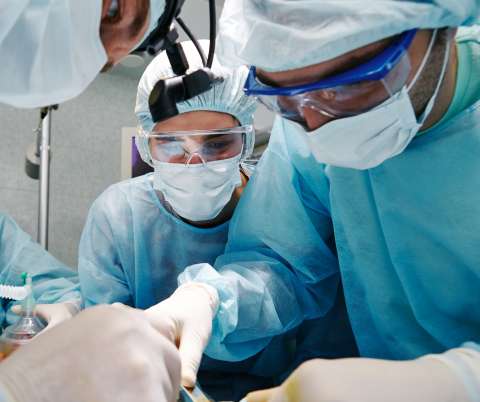
Transforming vascular health through research, innovation and comprehensive care.
The Society for Vascular Surgery® (SVS) is a not-for-profit professional medical society, composed primarily of vascular surgeons, that seeks to advance excellence and innovation in vascular health through education, advocacy, research and public awareness. SVS is the national advocate for more than 6,000 specialty-trained vascular surgeons and other medical professionals who are dedicated to the prevention and cure of vascular disease.
Leadership & Governance
The SVS relies on the generous donation of time from its volunteer leadership teams, including:
The Society also lends support to a variety of affiliated groups.
Membership
SVS membership is widely recognized in the vascular community as a mark of professional achievement. Members enjoy many benefits such as:
- Reduced registration for the Vascular Annual Meeting.
- A voice in Washington
SVS Foundation
The foundation awards basic and clinical research grants to vascular scientists.
Vascular Care Resources

The Society for Vascular Surgery is dedicated to providing the best information possible to patients and the public about vascular health care:
- Find answers to common questions about vascular care.
- Learn about specific conditions of the vascular system.
- Find information about testing for vascular disease.
- Explore treatment options for various vascular conditions and diseases.
Most importantly, for specific advice on your vascular health, find a vascular specialist near you. Vascular specialists are trained with a holistic approach to care and can offer you the options best suited to your needs, whether preventative, medicinal or surgical.
Vascular Biology
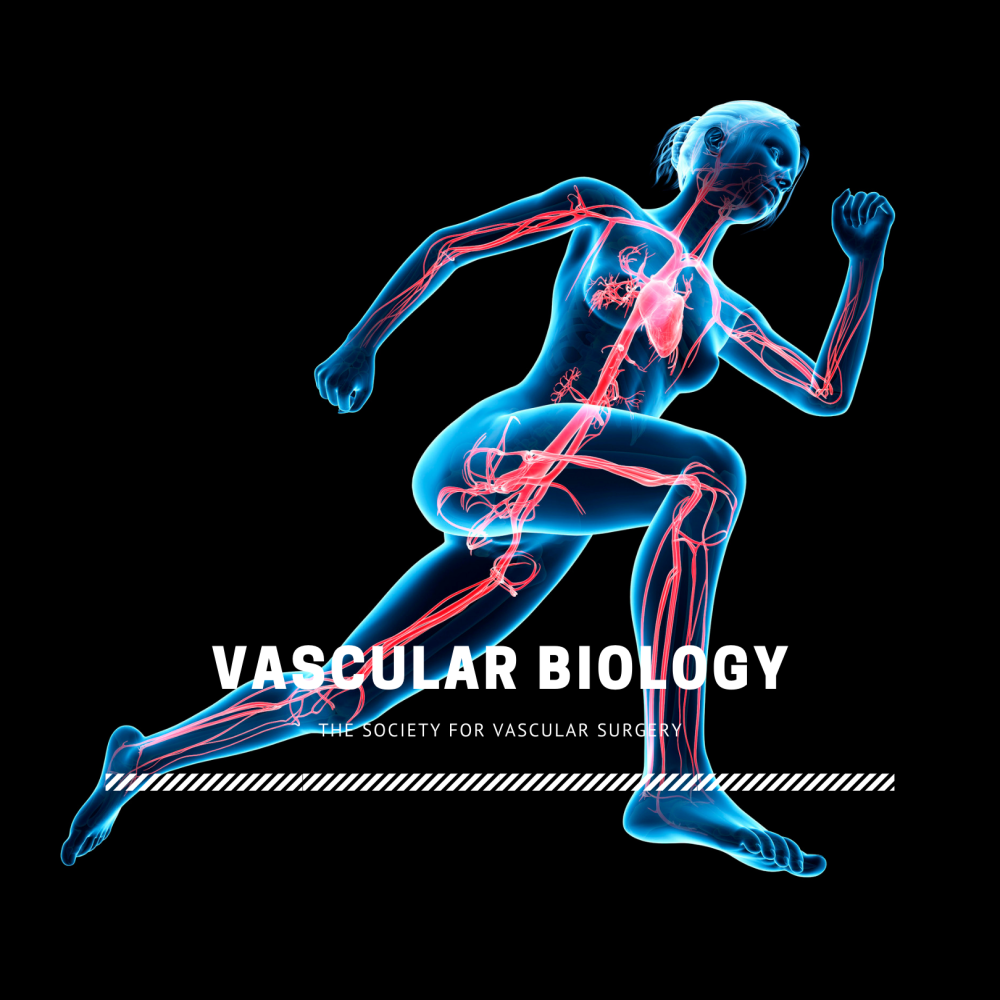
Understanding your vascular biology may help you as you discuss your vascular health with a specialist. In general, diseases of the blood vessels (particularly the arteries) involve either blockage, usually due to atherosclerosis (hardening of the arteries), or degeneration (weakening of the wall) resulting in an aneurysm.
Scientists studying vascular biology are constantly looking for ways to improve patient care.
Learn more about vascular biology here.
Source: https://vascular.org/