
Understanding Type 2 Diabetes
 Understanding Type 2 Diabetes
What is Type 2 Diabetes?
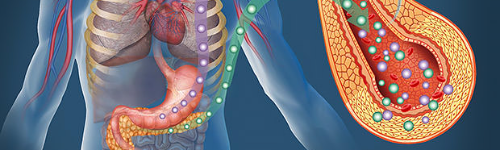
In type 2 diabetes, your body does not use insulin properly—this is called insulin resistance. At first, your beta cells make extra insulin to make up for it. Over time, your pancreas can’t make enough insulin to keep your blood glucose at normal levels. Type 2 diabetes develops most often in middle-aged and older adults but is increasing in young people.
Treatment for people with type 2 diabetes can include an eating plan, physical activity, and oral or injectable medications (including insulin) to help you meet your target blood glucose levels.
 Symptoms of Type 2 Diabetes
The following symptoms of diabetes are typical. However, some people with type 2 diabetes have symptoms so mild that they go unnoticed.
 Common symptoms of diabetes:
- Urinating often
- Feeling very thirsty
- Feeling very hungry—even though you are eating
- Extreme fatigue
- Blurry vision
- Cuts/bruises that are slow to heal
- Tingling, pain, or numbness in the hands/feet
Early detection and treatment of diabetes can decrease the risk of developing the complications of diabetes.
Although there are many similarities between type 1 and type 2 diabetes, the cause of each is very different. And the treatment is usually quite different, too. Some people, especially adults who are newly diagnosed with type 1 diabetes, may have symptoms similar to type 2 diabetes and this overlap between types can be confusing. Take our Risk Test to find out if you are at increased risk for having type 2 diabetes.
 Maybe it’s a different type
If you or someone you know is diagnosed with type 2 diabetes but isn’t responding well to the typical treatments for type 2 diabetes, it may be worth a visit to an endocrinologist to determine what type of diabetes is happening. Generally, this requires antibody tests and possibly the measurement of a C-peptide level.
Gestational diabetes
Women with gestational diabetes often have no symptoms, which is why it's important for at-risk women to be tested at the proper time during pregnancy. Learn more about Gestational Diabetes
 Symptoms of diabetes complications
Have you already been diagnosed with diabetes but are concerned about symptoms that may be the result of complications related to diabetes? Learn more about diabetes complications
Source: https://diabetes.org/about-diabetes/type-2
Keep learning about Understanding Type 2 Diabetes
A short summary of what's new, roughly once a week.
No account needed. One click to stop. We don't sell your address — and everything on this page stays open whether you sign up or not.